


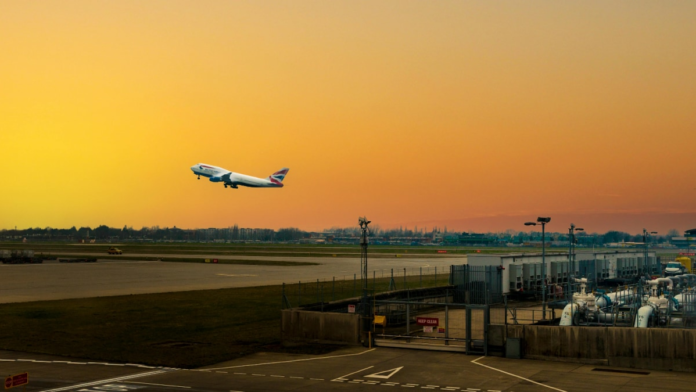

A recent study by global affairs thinktank ODI Global, revealed the environment impact of 1300 airports around the world. According to the report, airports included in the tracker generated 1,026 million tonnes of carbon dioxide (CO2) emissions through 34.6 million flights in 2023. Here’s a look at top 10 most polluted airports in the world.
 – 23.2 Million Tonnes: Dubai International leads the world as the most polluting airport. As the primary hub for Emirates, it facilitates a massive volume of long-haul, fuel-intensive flights. Its role as a central "super-hub" connecting Europe, Asia, and Africa contributes to its staggering carbon footprint, nearly double that of entire mid-sized cities. (Representative Image: Pexels)")
Dubai International (DXB) – 23.2 Million Tonnes: Dubai International leads the world as the most polluting airport. As the primary hub for Emirates, it facilitates a massive volume of long-haul, fuel-intensive flights. Its role as a central “super-hub” connecting Europe, Asia, and Africa contributes to its staggering carbon footprint, nearly double that of entire mid-sized cities. (Representative Image: Pexels)
 – 21.0 Million Tonnes: Heathrow remains Europe’s most carbon-heavy airport. Despite aggressive "Net Zero" marketing, its reliance on long-haul trans-Atlantic traffic and high aircraft density keeps emissions high. The airport’s continuous expansion efforts remain a point of intense environmental controversy, as it remains a critical link for high-emitting international carriers like British Airways. (Representative Image: Pexels)")
London Heathrow (LHR) – 21.0 Million Tonnes: Heathrow remains Europe’s most carbon-heavy airport. Despite aggressive “Net Zero” marketing, its reliance on long-haul trans-Atlantic traffic and high aircraft density keeps emissions high. The airport’s continuous expansion efforts remain a point of intense environmental controversy, as it remains a critical link for high-emitting international carriers like British Airways. (Representative Image: Pexels)
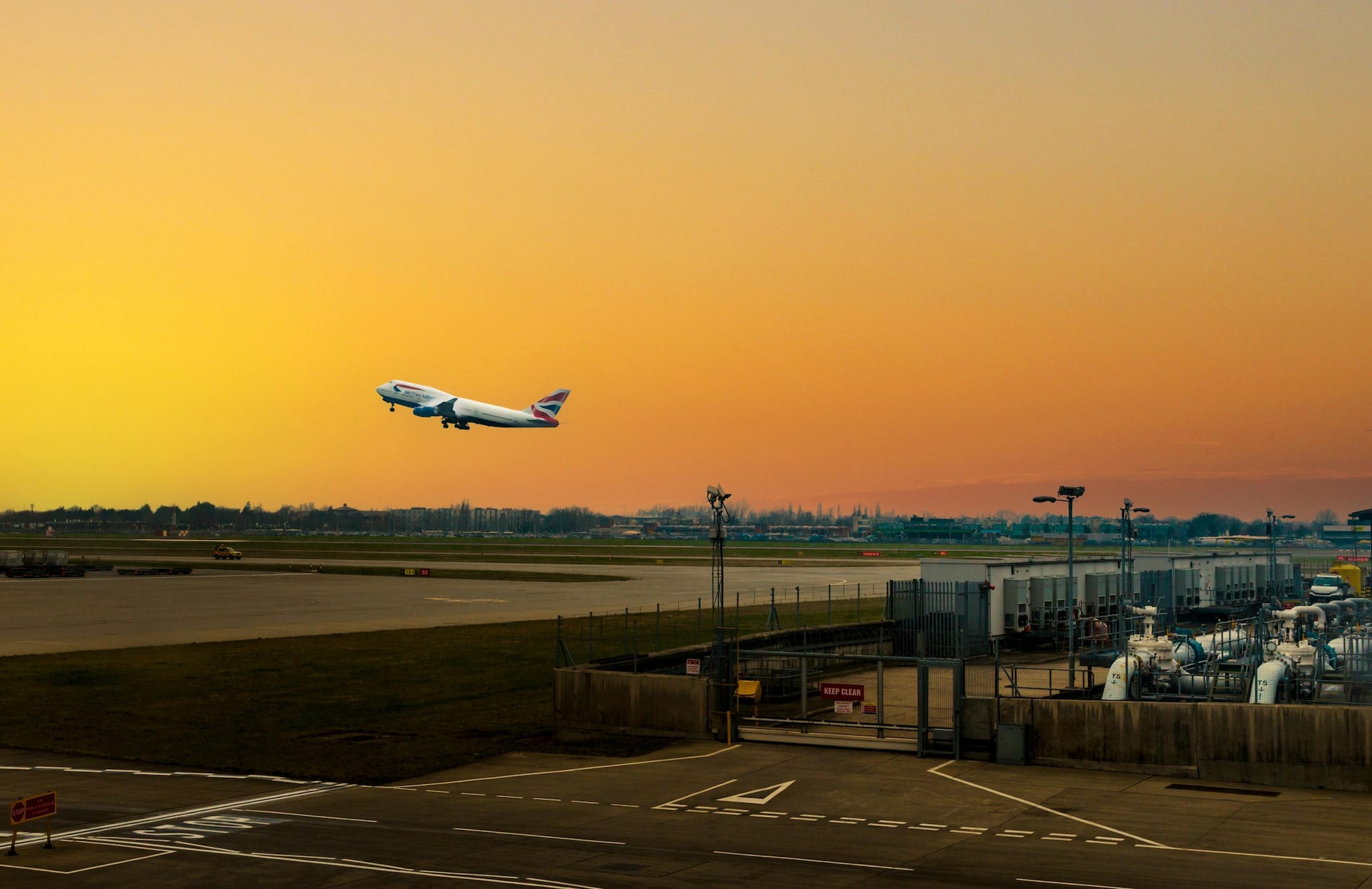
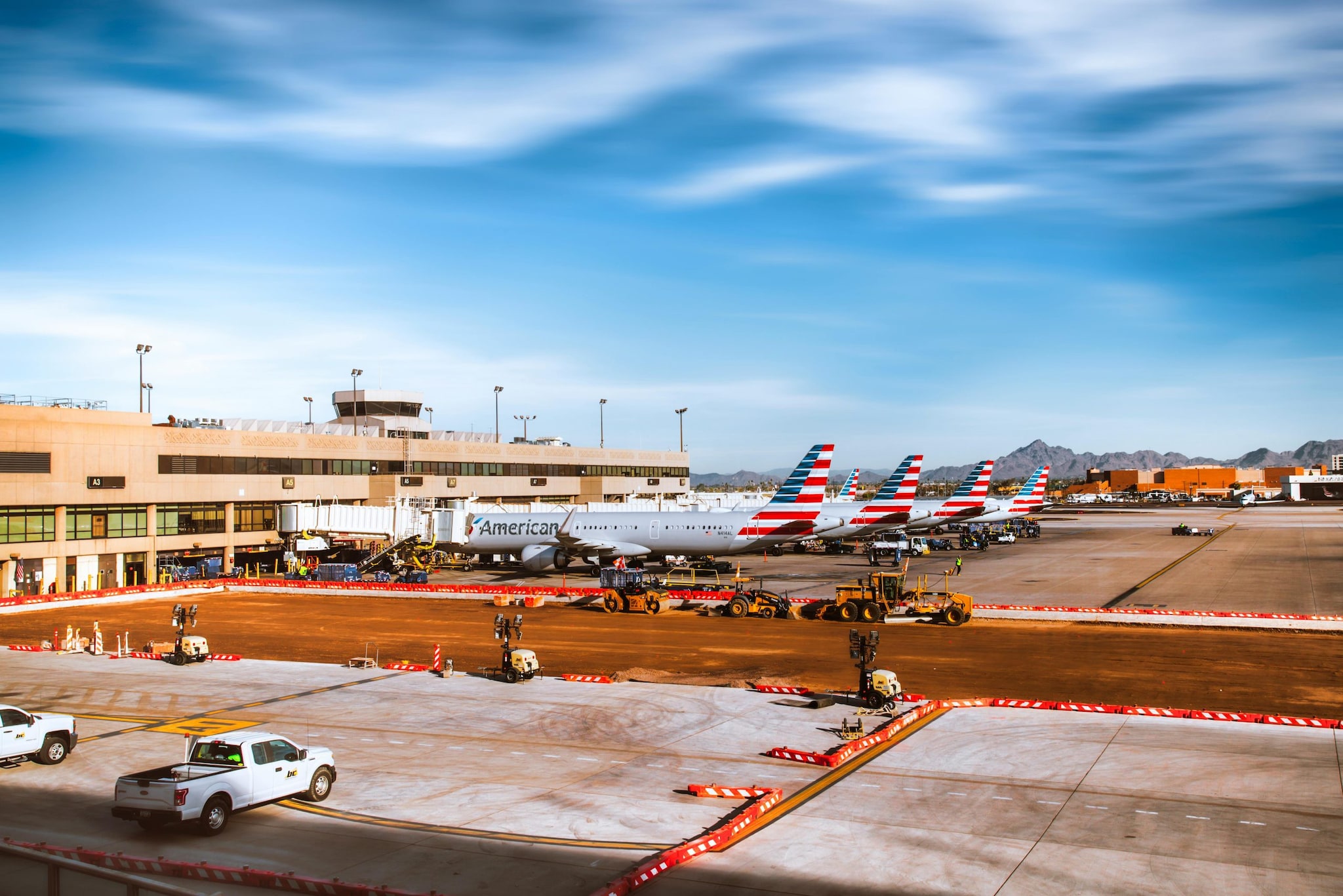
Los Angeles International (LAX) – 18.8 Million Tonnes: As the busiest origin-and-destination airport in the world, LAX is North America’s top polluter. Its massive emissions are driven by a constant stream of domestic transcontinental flights and heavy Pacific-rim international traffic. The airport serves as a primary gateway, making it a focal point for US aviation decarbonization efforts. (Representative Image: Pexels)
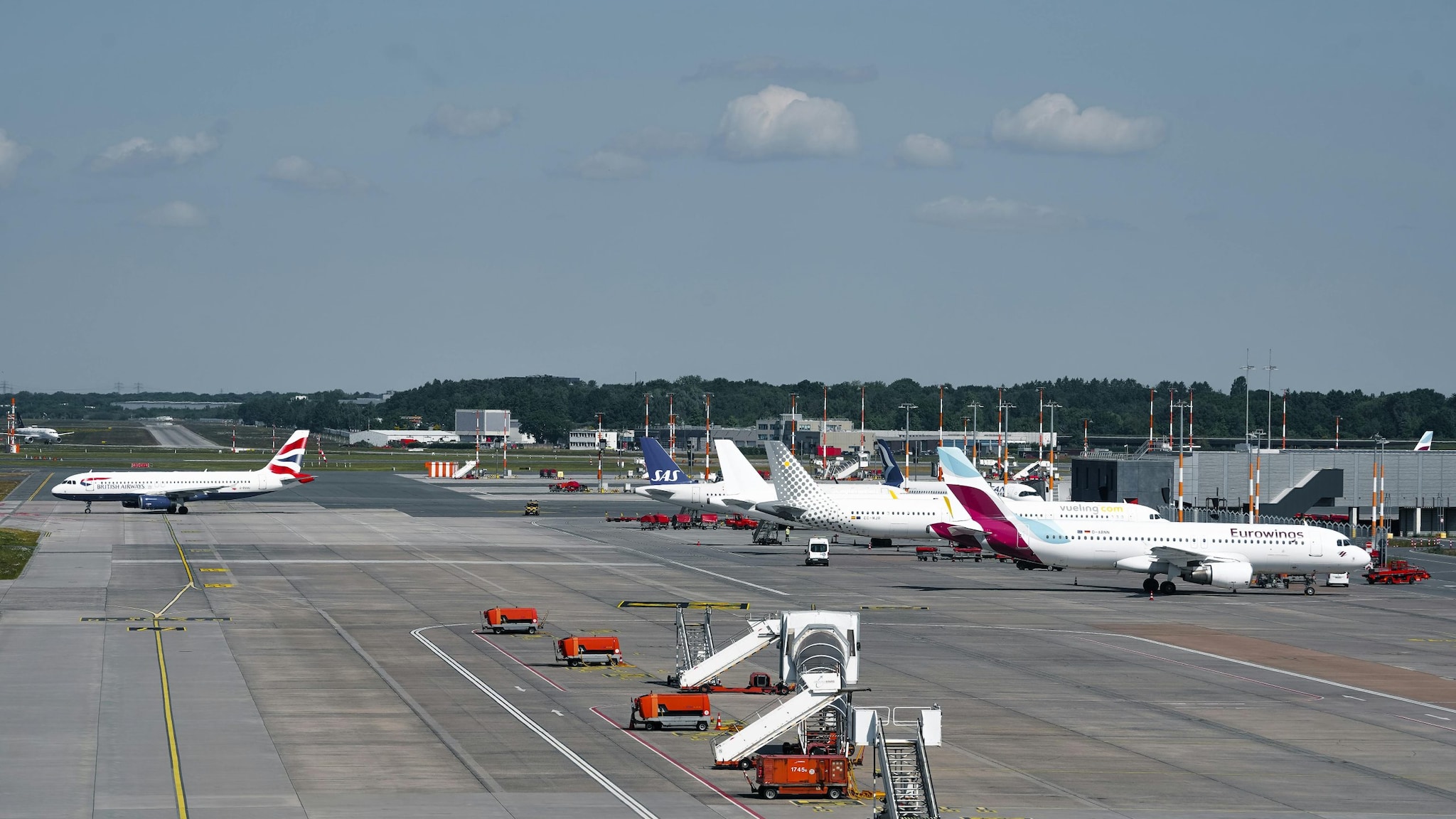
Seoul Incheon (ICN) – 16.8 Million Tonnes: Incheon has climbed the rankings as a major East Asian transit point. Its high emissions stem from its dual role as a massive passenger hub and one of the world’s largest cargo gateways. The energy required to maintain its massive terminal infrastructure, combined with heavy flight traffic, cements its position. (Representative Image: Pexels)
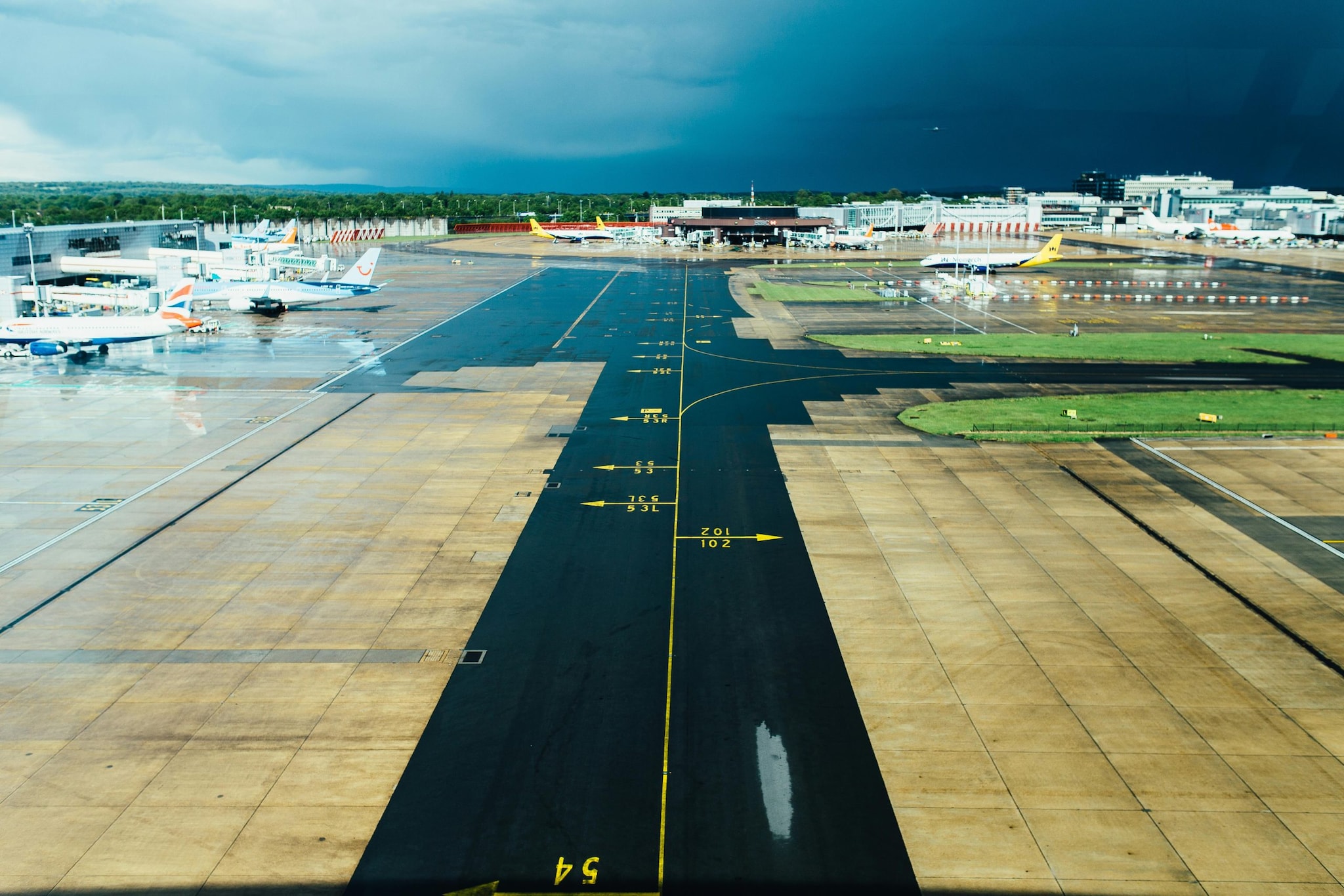
New York John F. Kennedy (JFK) – 16.8 Million Tonnes: Tied with Incheon, JFK is the leading international gateway for the United States’ East Coast. The sheer variety of long-haul international carriers operating out of its multiple terminals contributes to its high output. It serves as a primary hub for major airlines that operate older, less fuel-efficient wide-body aircraft. (Representative Image: Pexels)

Hong Kong International (HKG) – 15.1 Million Tonnes: Hong Kong’s ranking is largely sustained by its status as the world’s busiest cargo airport. While passenger numbers have fluctuated, the constant rotation of heavy freight aircraft—which often burn more fuel per mile—keeps its CO2 output significantly higher than other regional airports with similar passenger volumes. (Representative Image: Pexels)
Paris Charles de Gaulle (CDG) – 14.7 Million Tonnes: CDG is the second-highest emitter in Europe. It serves as the primary base for Air France and a major European connection point. The high frequency of short-haul flights within Europe, combined with extensive international routes, creates a dense concentration of nitrogen oxides and CO2 in the Parisian basin. (Representative Image: Pexels)
Frankfurt Airport (FRA) – 14.4 Million Tonnes: As Germany’s primary aviation hub and a central pillar for Lufthansa, Frankfurt is a major source of European pollution. Its ranking is driven by its high volume of connecting flights and significant freight operations, making it one of the most environmentally impactful pieces of infrastructure in Central Europe. (Representative Image: Pexels)
 – 14.3 Million Tonnes: Often voted the world’s best airport for luxury, Changi is also among the most polluting. Its location makes it a mandatory stop for many "Kangaroo Route" flights between Europe and Australia. These ultra-long-haul segments require massive fuel loads, which translates directly into high carbon emissions during takeoff and landing. (Representative Image: Pexels)")
Singapore Changi (SIN) – 14.3 Million Tonnes: Often voted the world’s best airport for luxury, Changi is also among the most polluting. Its location makes it a mandatory stop for many “Kangaroo Route” flights between Europe and Australia. These ultra-long-haul segments require massive fuel loads, which translates directly into high carbon emissions during takeoff and landing. (Representative Image: Pexels)

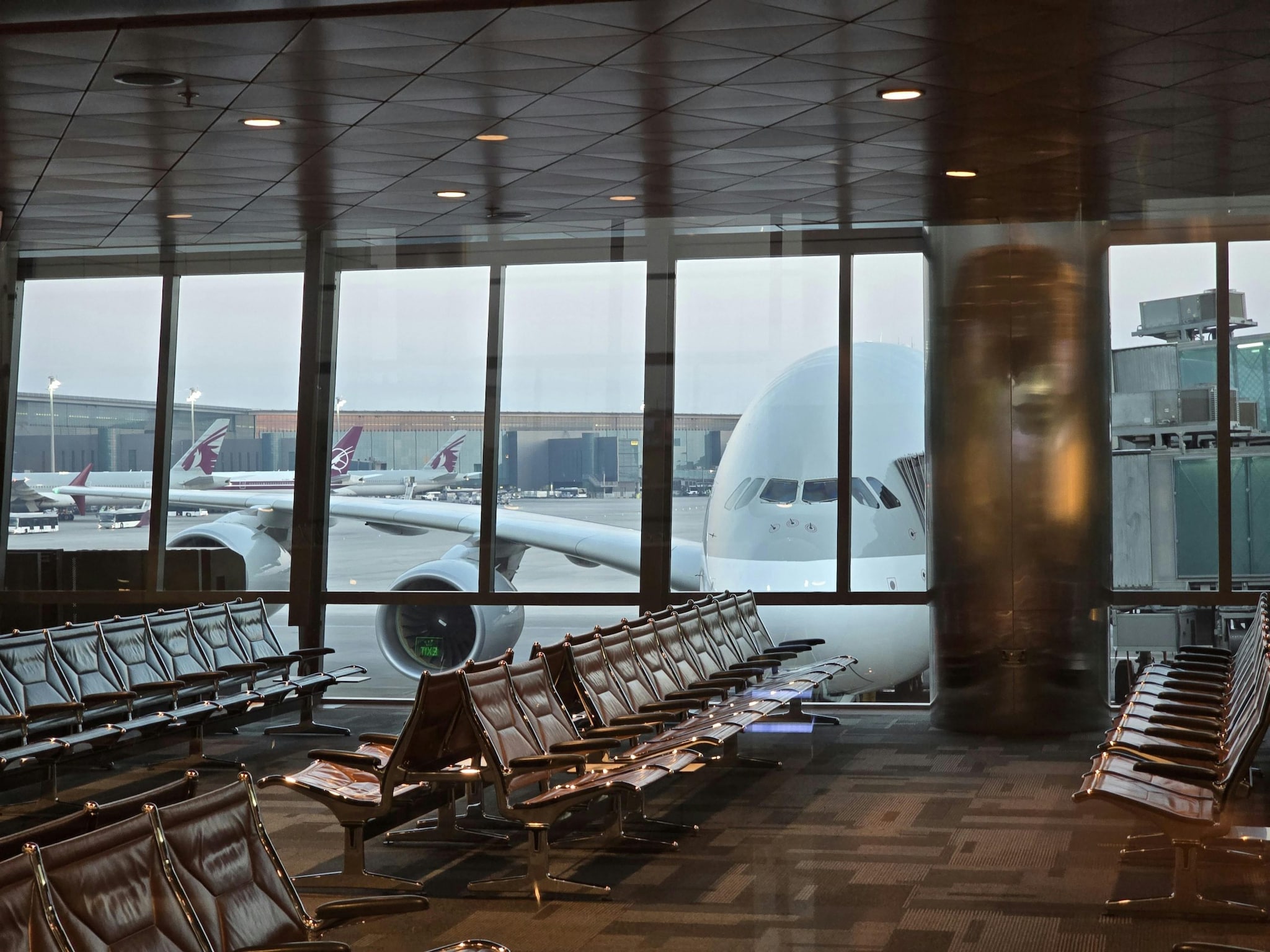
Doha Hamad (DOH) – 14.0 Million Tonnes: Hamad International serves as the rapidly growing hub for Qatar Airways. Much like Dubai, its emissions are fueled by a business model centered on long-distance international transfers. The airport’s rapid expansion to accommodate global sporting events and increased transit traffic has significantly boosted its annual carbon output. (Representative Image: Pexels)