


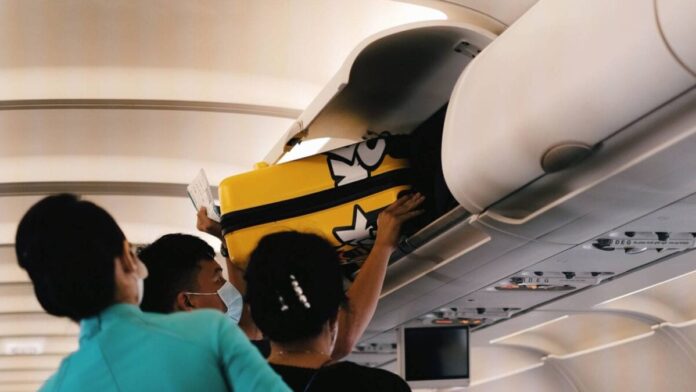

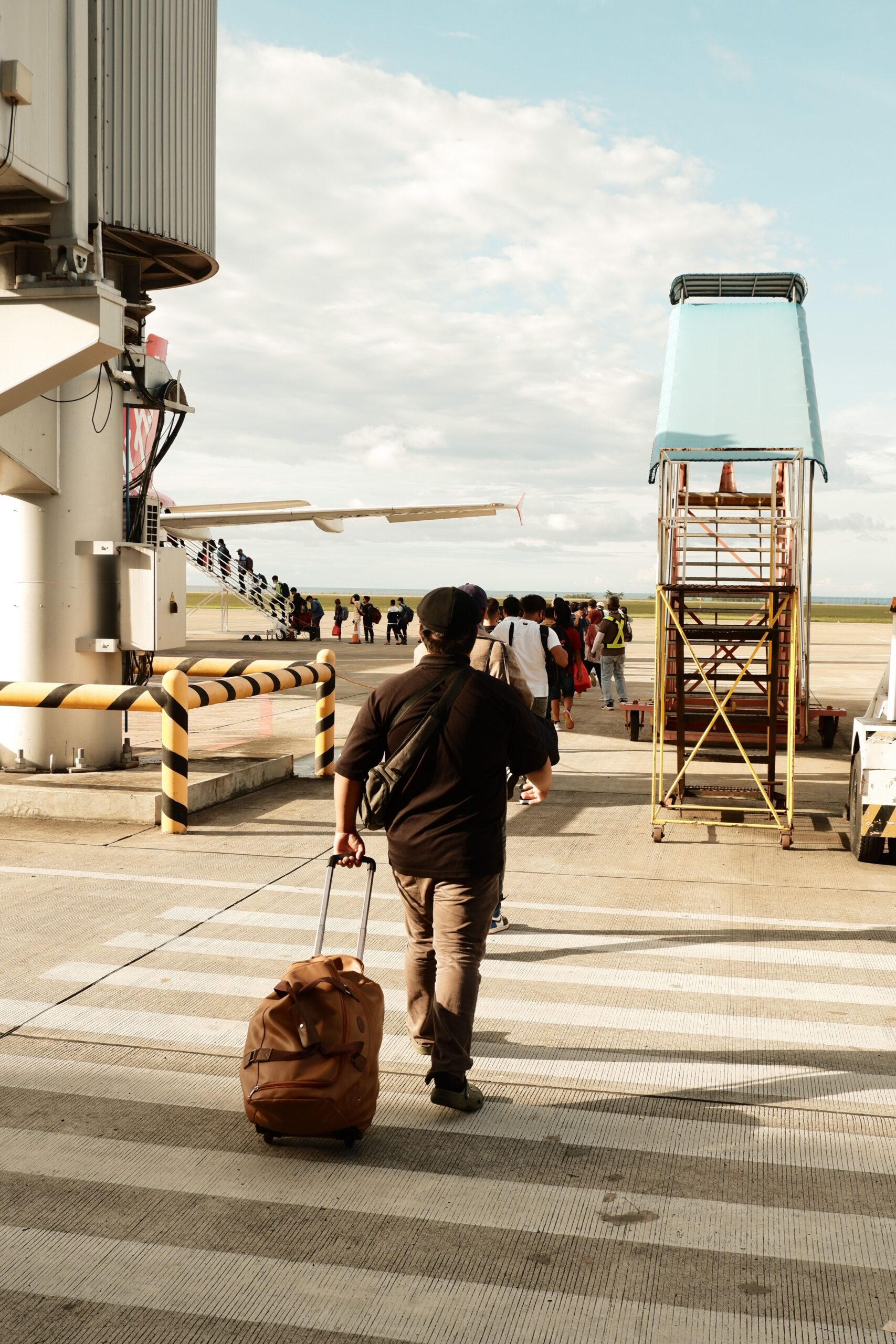
If you’ve ever packed for a flight, you’ve probably noticed that many airlines allow only 7 kg of cabin baggage for Economy Class passengers. It may seem like an arbitrary number, but there’s actually a combination of safety, space, and operational reasons behind this limit. (Image: Pexels)
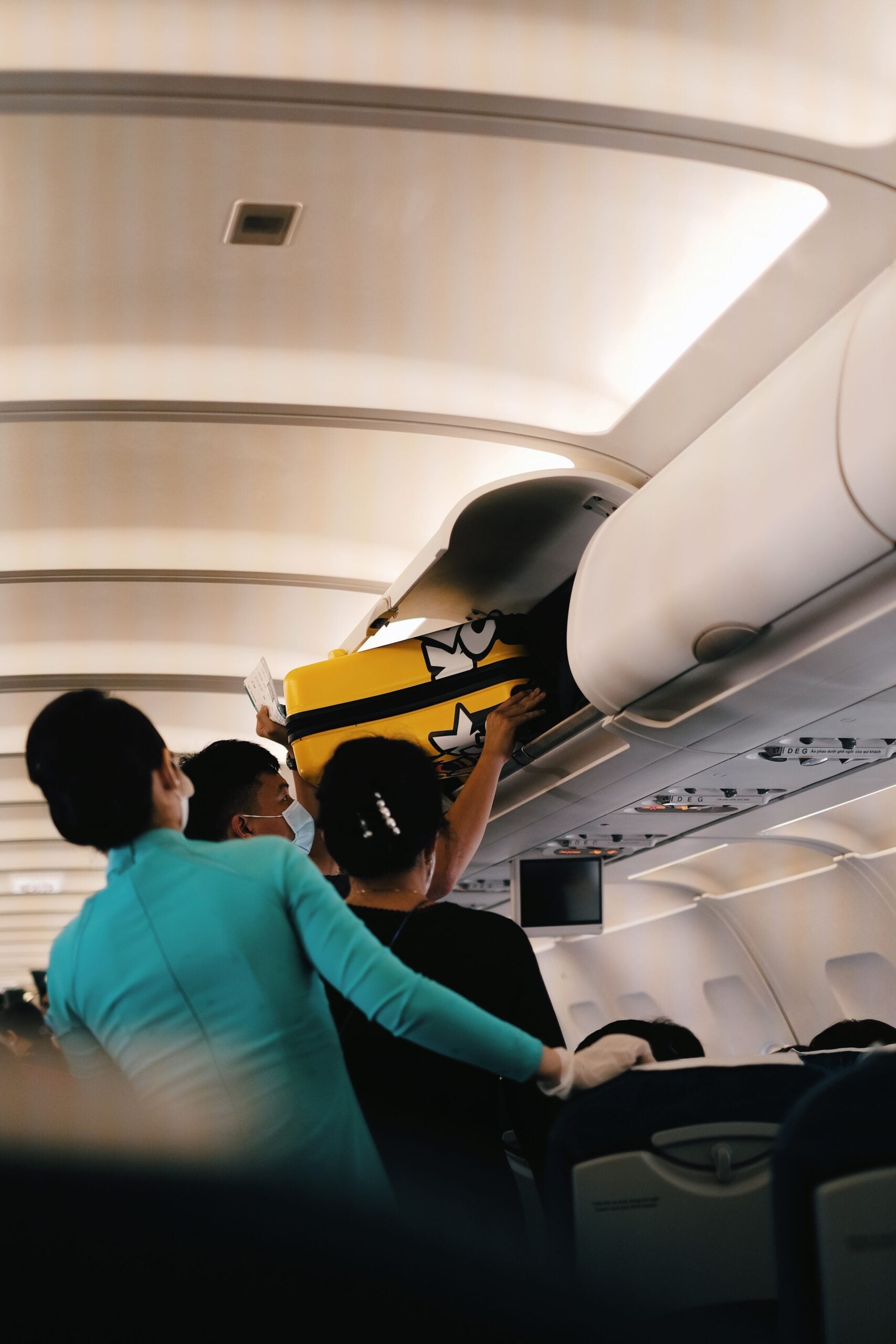
Overhead bins are designed to hold a certain amount of weight. If passengers bring heavier bags, the compartments can become overloaded. A heavy bag can also fall out when the bin is opened, posing a risk of injury to passengers and crew. (Image: Pexels)
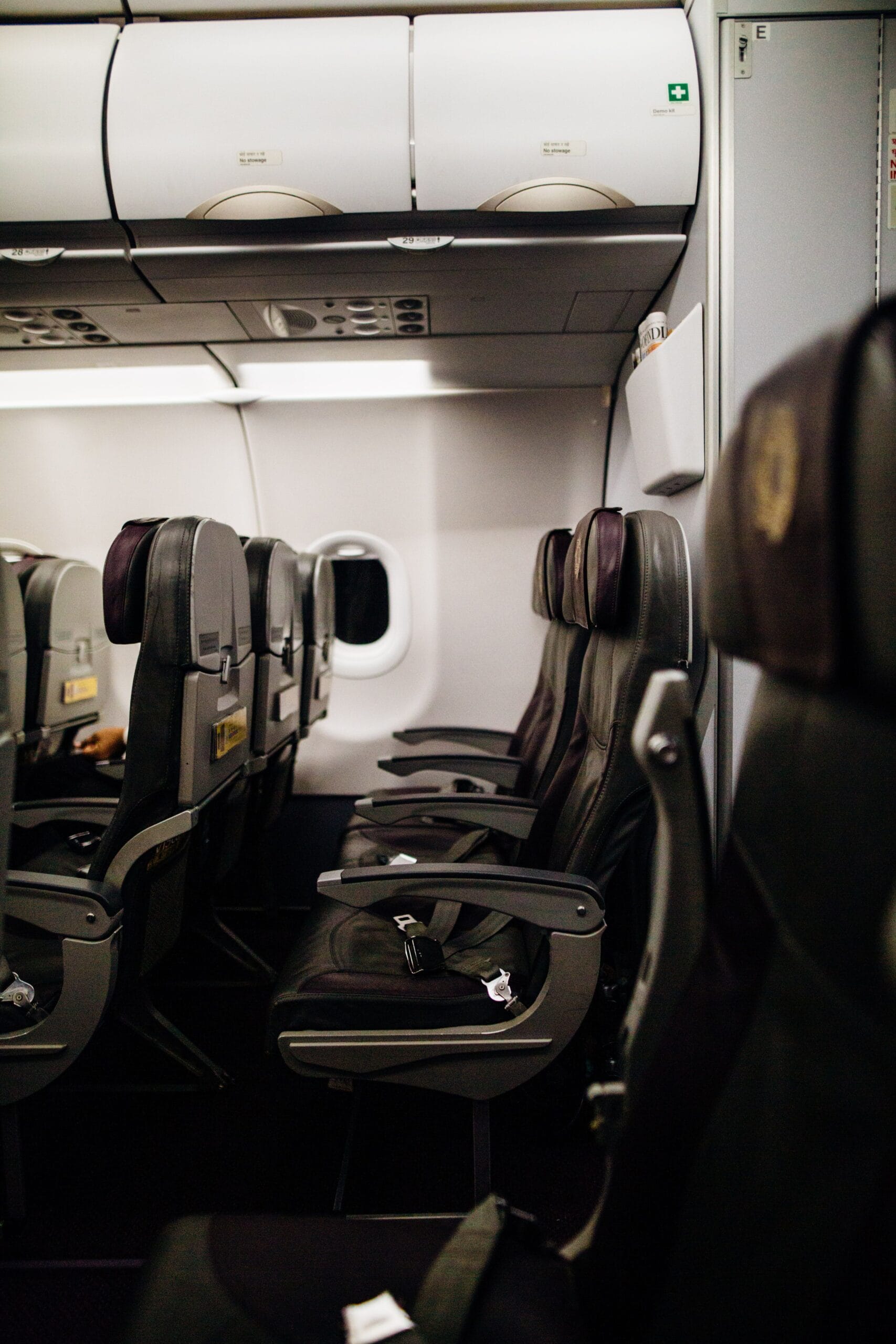
Aircraft cabins have limited overhead storage. If everyone carried large, heavy bags, there wouldn’t be enough room for everyone’s luggage. Weight limits help ensure that more passengers can fit a bag in the overhead bins. (Image: Pexels)

Smaller, lighter bags are easier to lift and store, helping passengers board and exit the aircraft more quickly. This reduces delays and helps airlines maintain on-time schedules. (Image: Pexels)
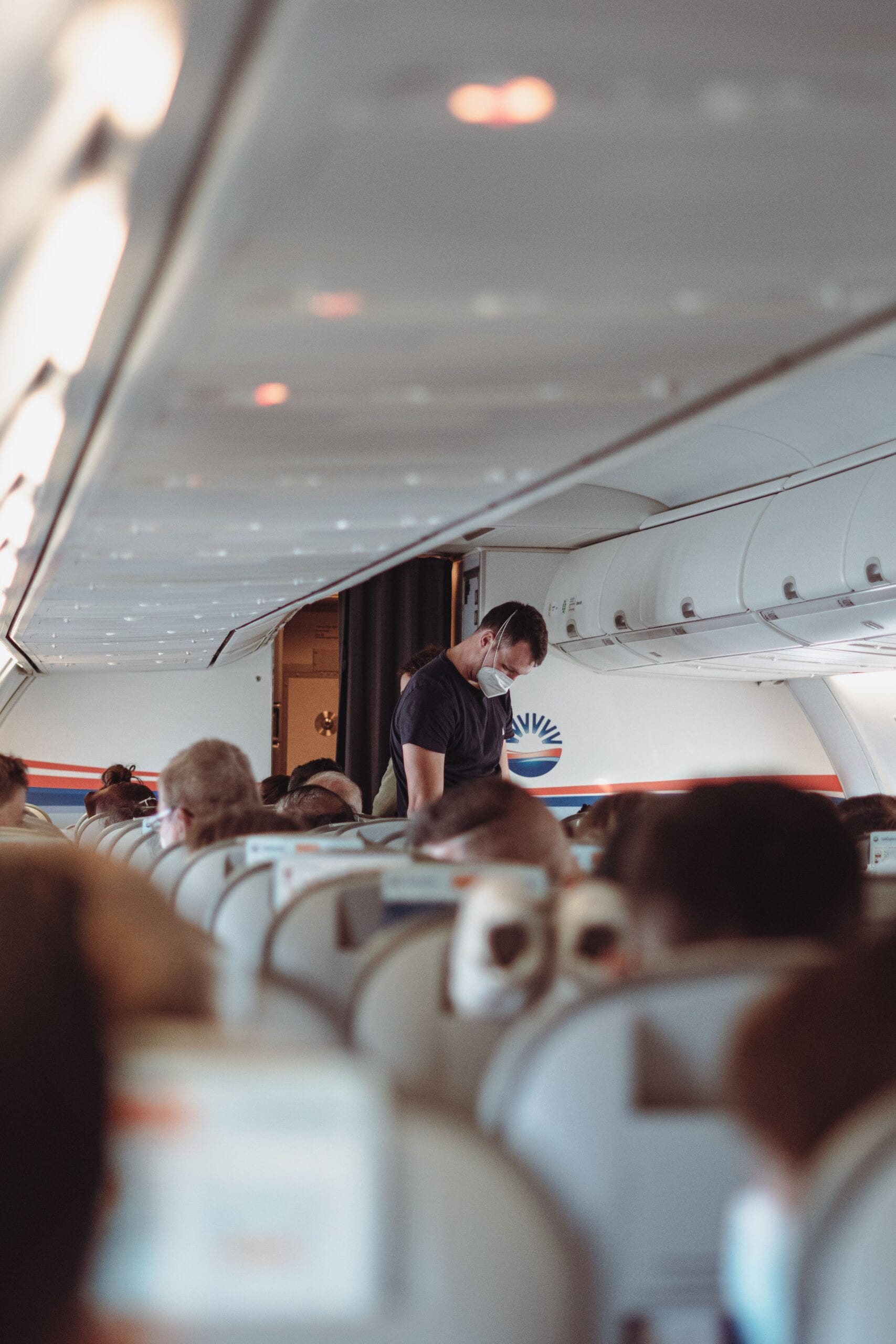
While checked baggage is carefully distributed in the aircraft’s cargo hold to maintain balance, airlines also need to consider the weight inside the cabin. Keeping cabin bags within limits makes weight calculations more predictable. (Image: Pexels)

A lower cabin baggage limit encourages passengers to check in larger suitcases instead of bringing them into the cabin. This helps reduce congestion in the aisles and overhead compartments. (Image: Pexels)

A 7 kg bag is generally light enough for most travellers to lift into the overhead bin without assistance, reducing the risk of injuries during boarding. (Image: Pexels)

Although 7 kg is common among many Indian and Asian airlines, it isn’t a global standard. Some airlines allow 8-12 kg cabin baggage. Some airlines even have different allowances depending on the fare type or destination. (Image: Pexels)

It’s not just the weight that counts. Airlines also specify maximum dimensions for cabin bags so they fit safely in the overhead bin or under the seat in front of you. (Image: Pexels)