


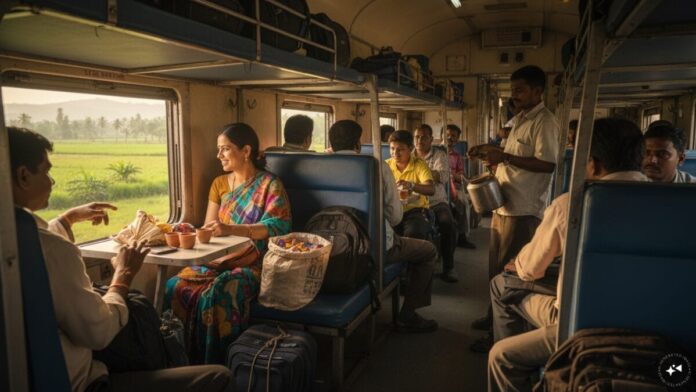

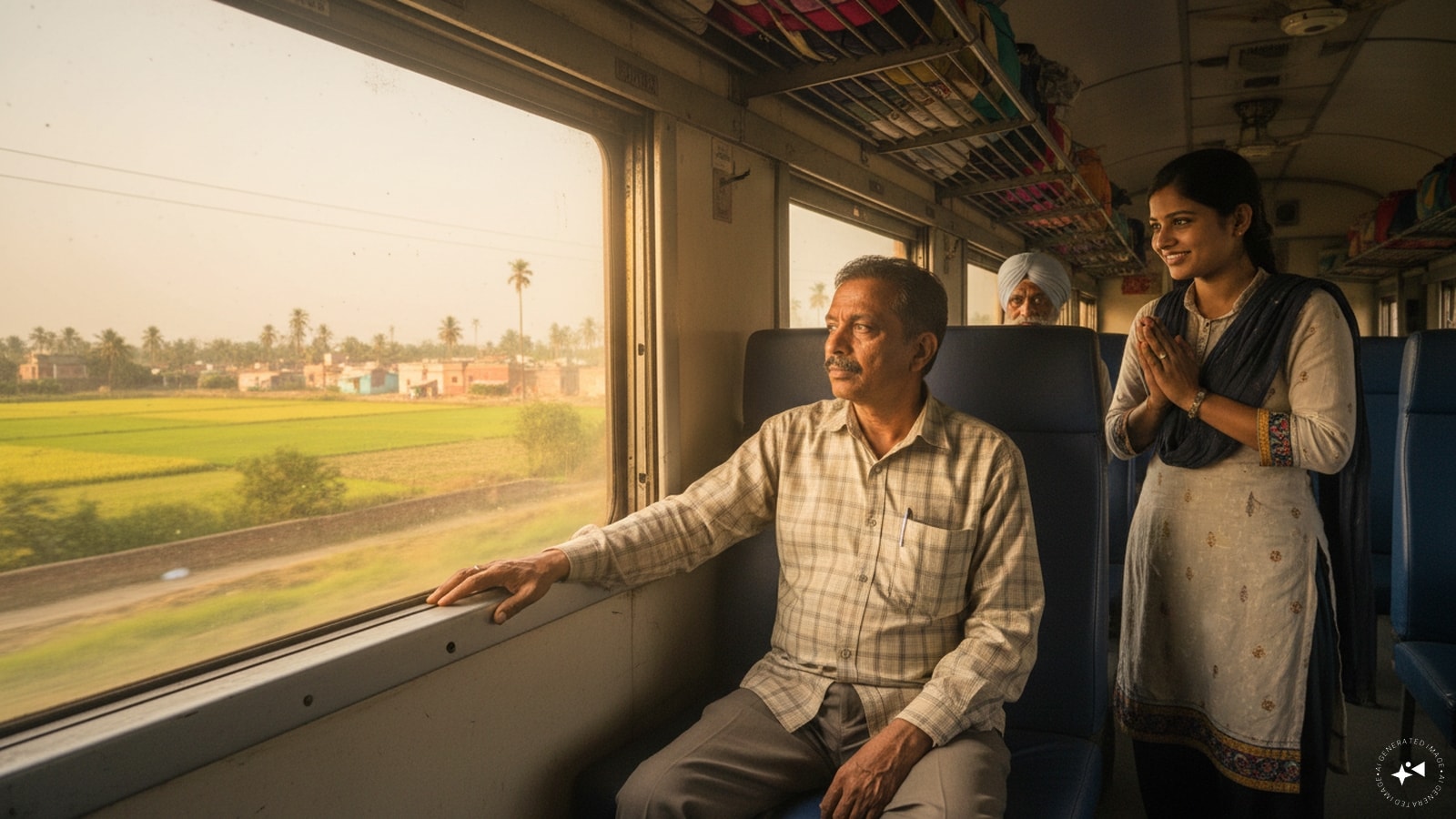
The window seat is never “just a seat”: In India, a window seat can feel like a tiny piece of territory, especially on long journeys. If you have one, expect a polite request from a fellow passenger to exchange it for a while. The unwritten rule: negotiate, don’t demand. (AI photo)
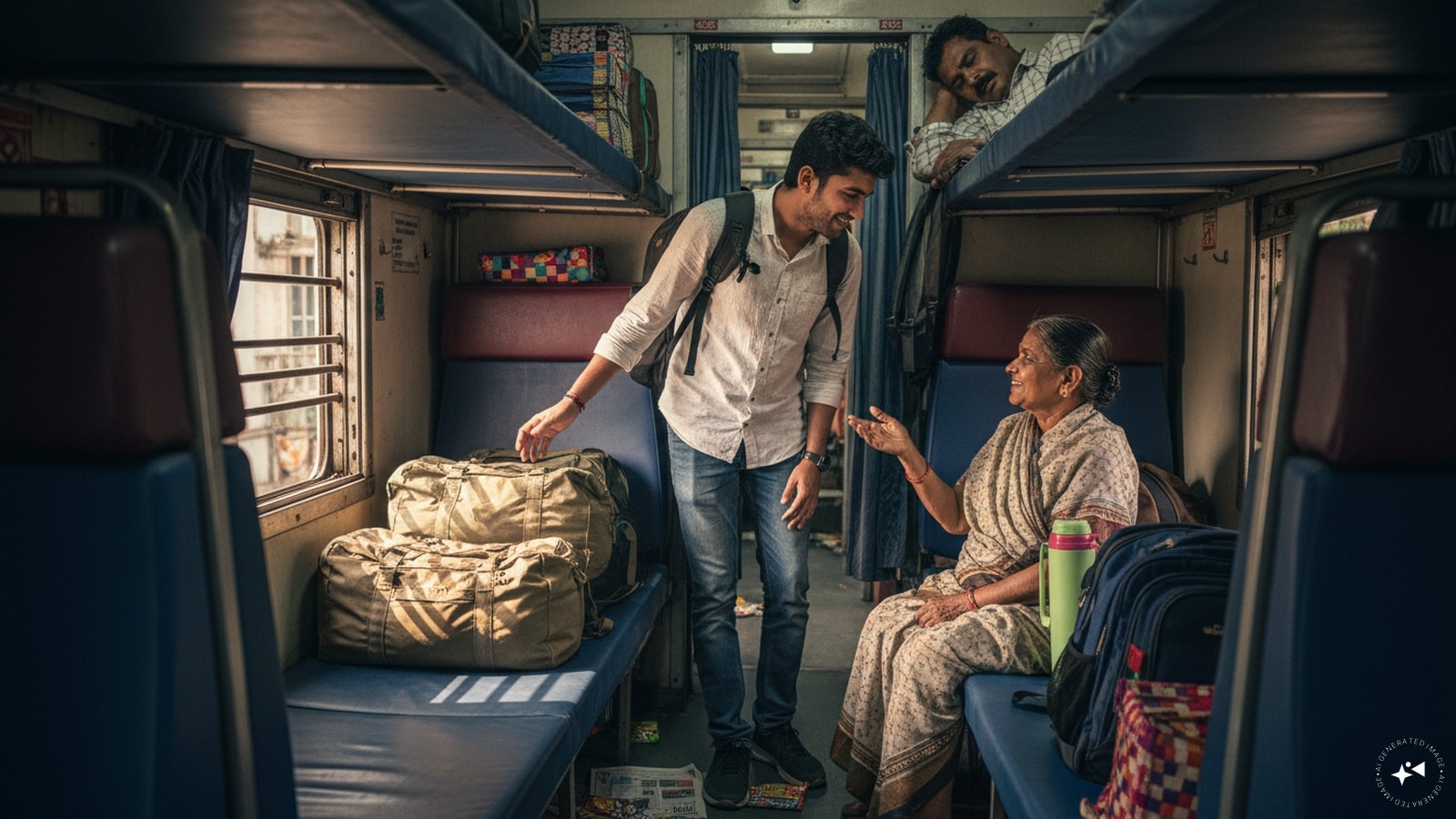
The “Can you watch my seat?” tradition: A quick dash to the washroom or platform can lead to the classic request: “Bhaiya, zara seat dekhna.” It is an everyday gesture of trust between strangers. Still, passengers should avoid leaving valuables unattended and remain responsible for their belongings. (AI photo)
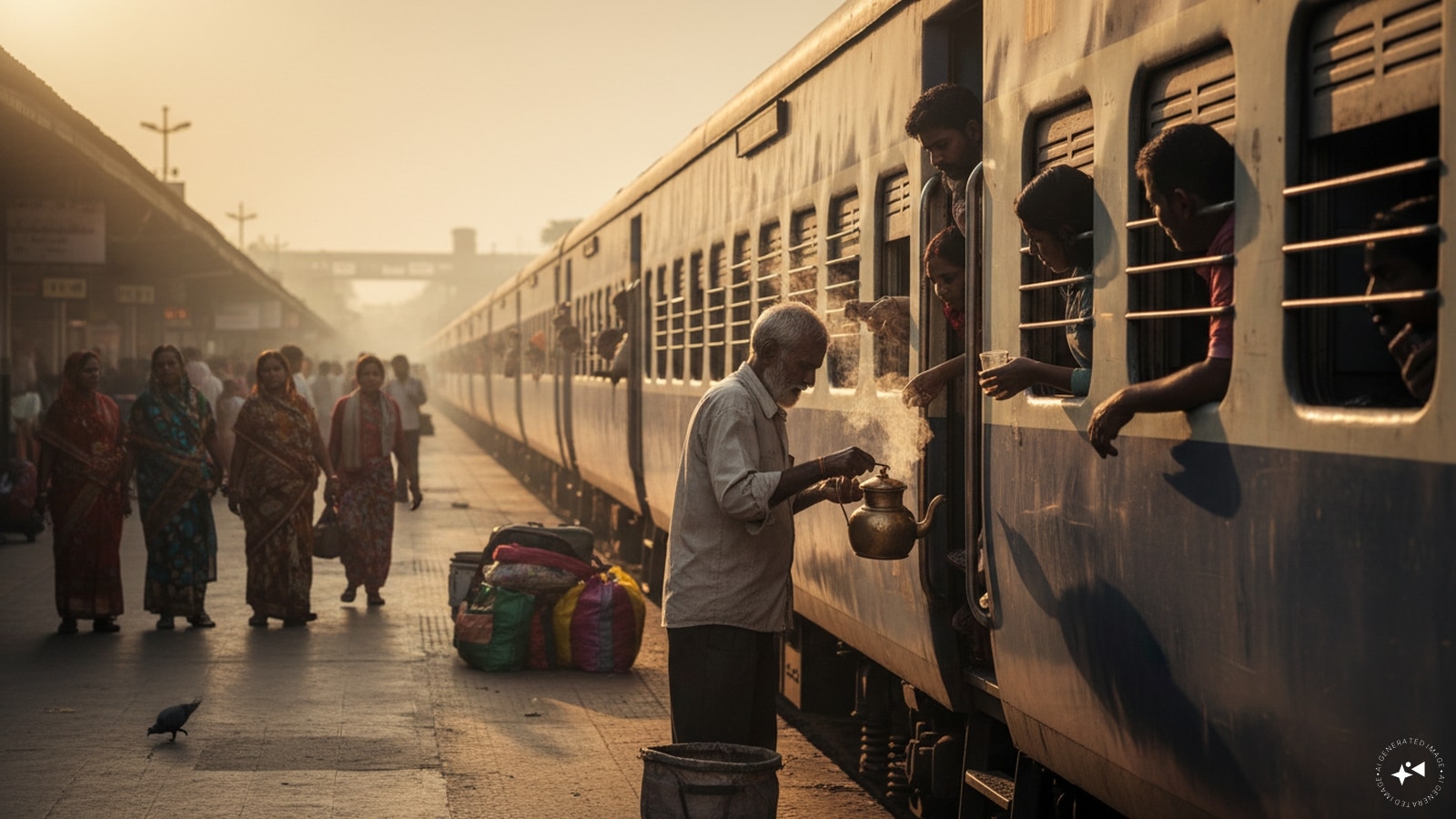
Chai vendors are part of the journey: For many passengers, a train journey is incomplete without the familiar call of “chai, chai” from the platform or coach area. The unofficial rule is simple: keep your change ready, don’t block the aisle and enjoy the ritual before the train moves on. (AI photo)
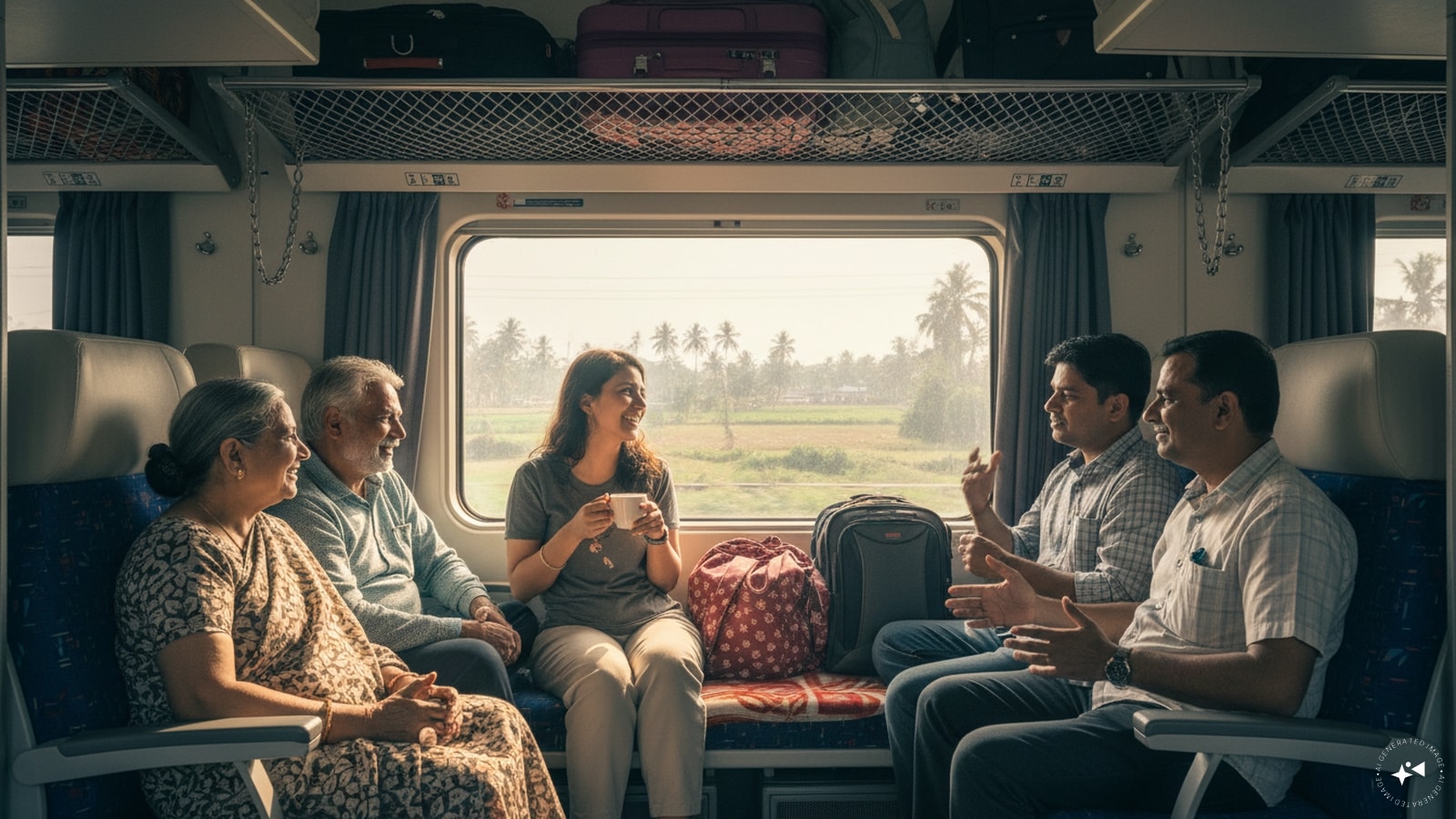
Your berth may become a temporary community space: A reserved berth gives you a designated place, but Indian train journeys often turn that space into a temporary social zone. Fellow passengers may chat, share food or exchange travel stories. The trick is knowing when conversation is welcome and when silence is. (AI photo)
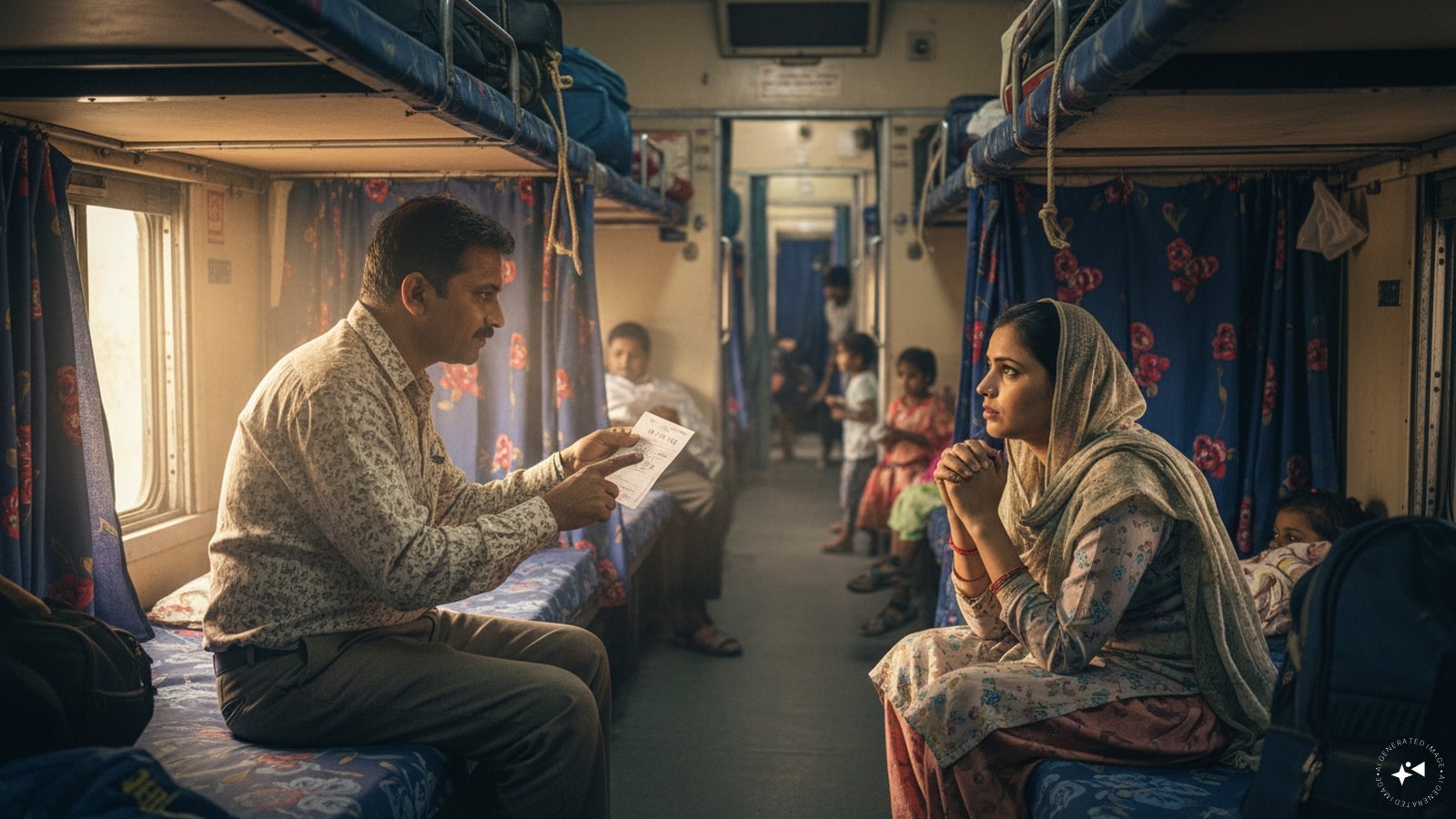
Never assume someone will swap berths: Berth swapping happens frequently, but it is still a favour, not an entitlement. A passenger may have chosen a particular berth for comfort, family needs or convenience. Ask politely, explain why you need a change and accept a “no” without an argument. (AI photo)
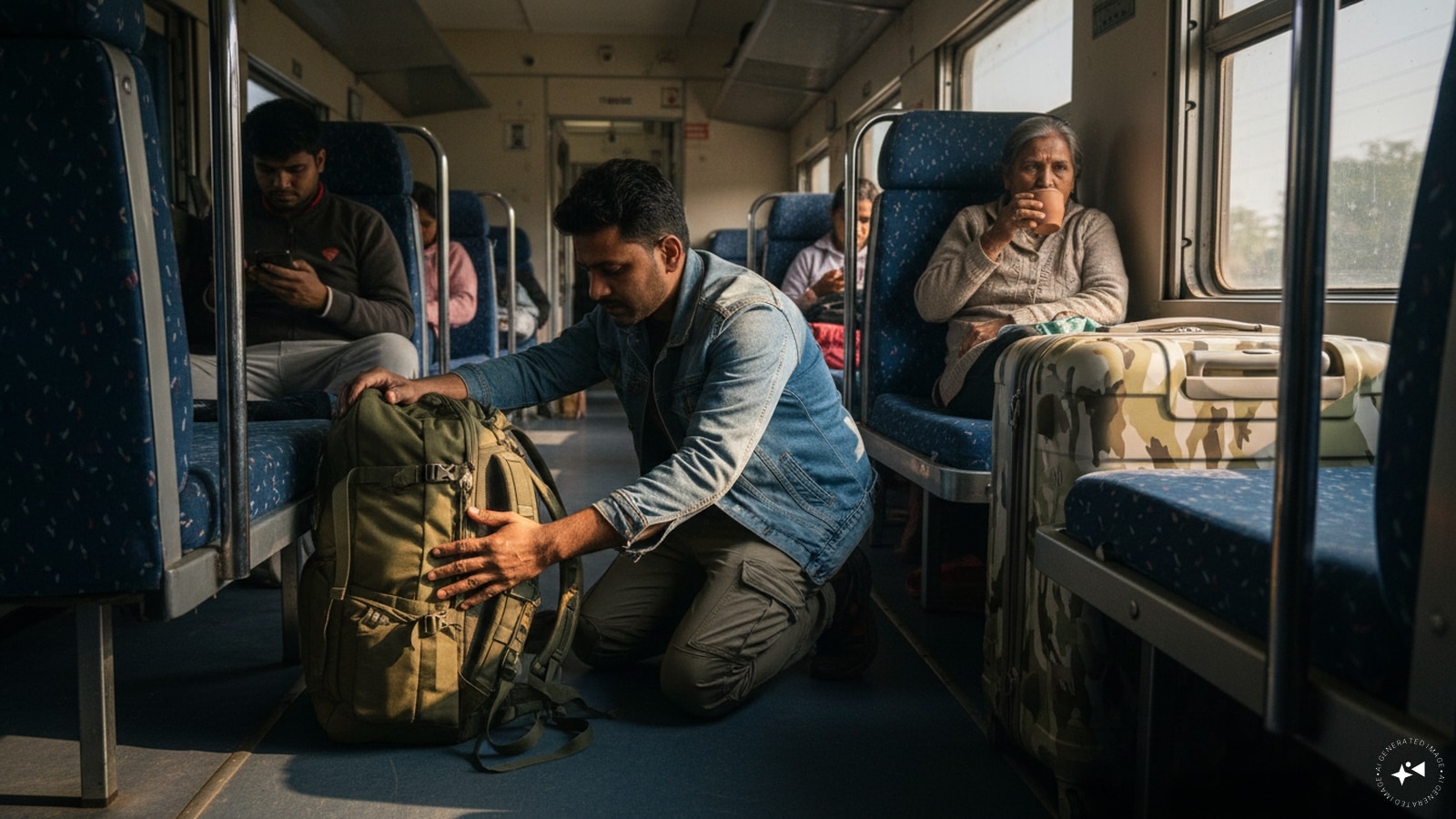
Keep your luggage close and organised: Experienced passengers rarely leave valuable belongings casually lying around. Bags are kept under seats, secured or placed where they can be watched easily. Indian Railways has specific luggage rules and allowances, so oversized or excess baggage may require separate booking. (AI photo)
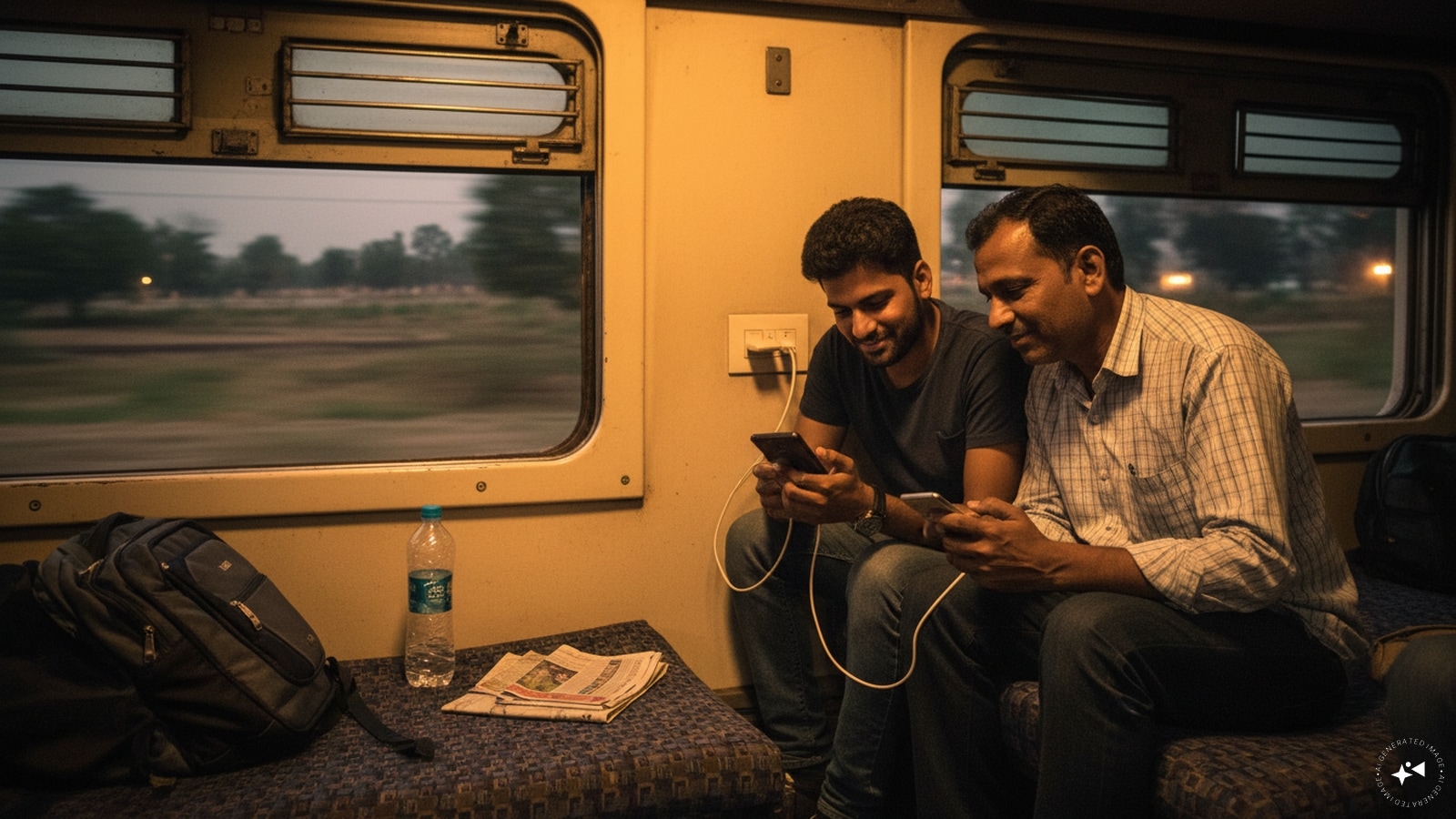
The charging point is a shared resource: A charging socket can suddenly become the most valuable piece of infrastructure in a packed coach. Regular travellers usually take turns rather than monopolising it, especially on overnight journeys. A power bank can quietly save you from this negotiation. (AI photo)
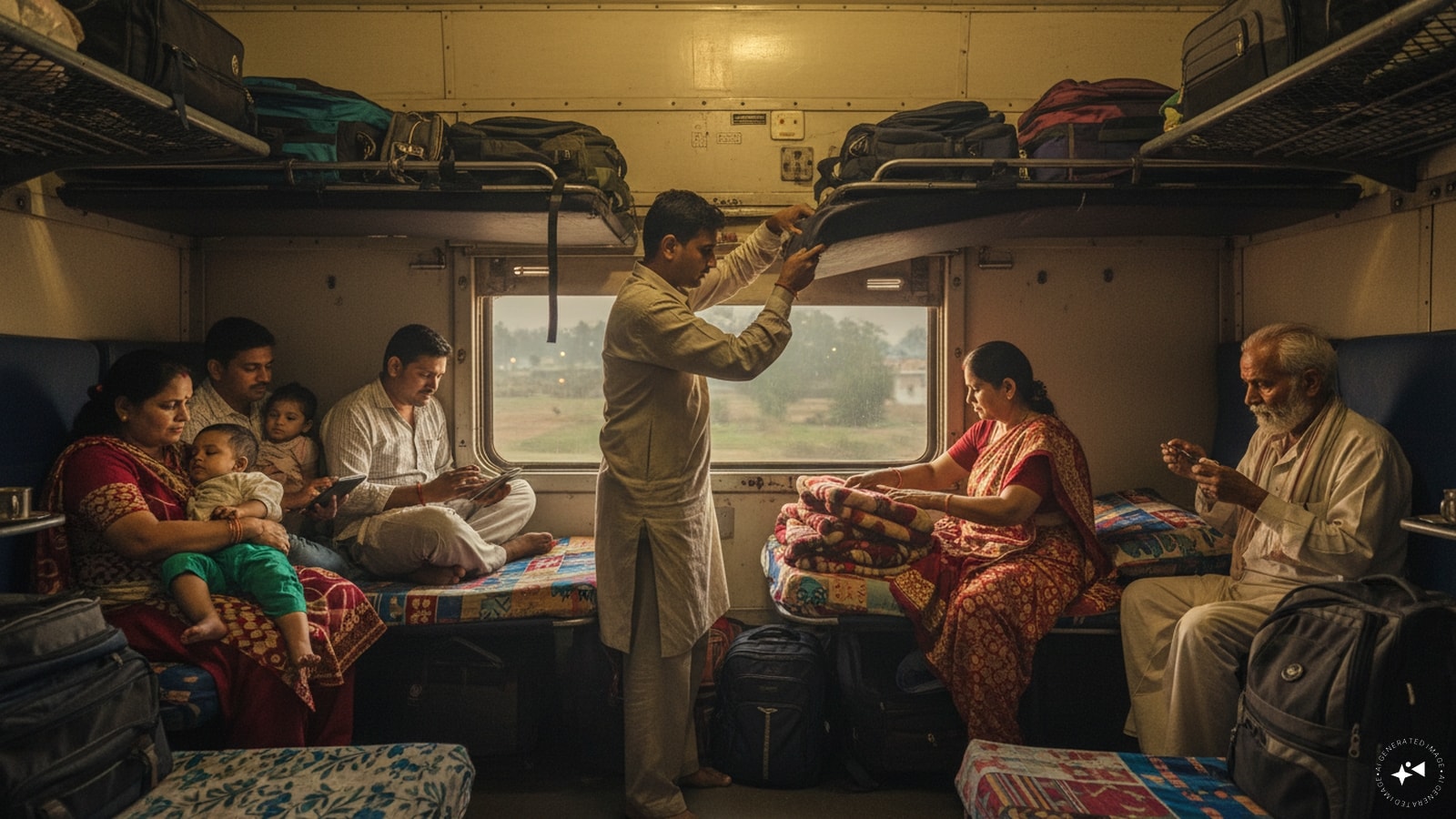
The middle berth has its own unwritten timetable: The middle berth can create a mini negotiation over when the coach switches from daytime seating to sleeping mode. Regular travellers usually work it out among themselves, especially when elderly passengers, children or families are involved. Courtesy matters. (AI photo)
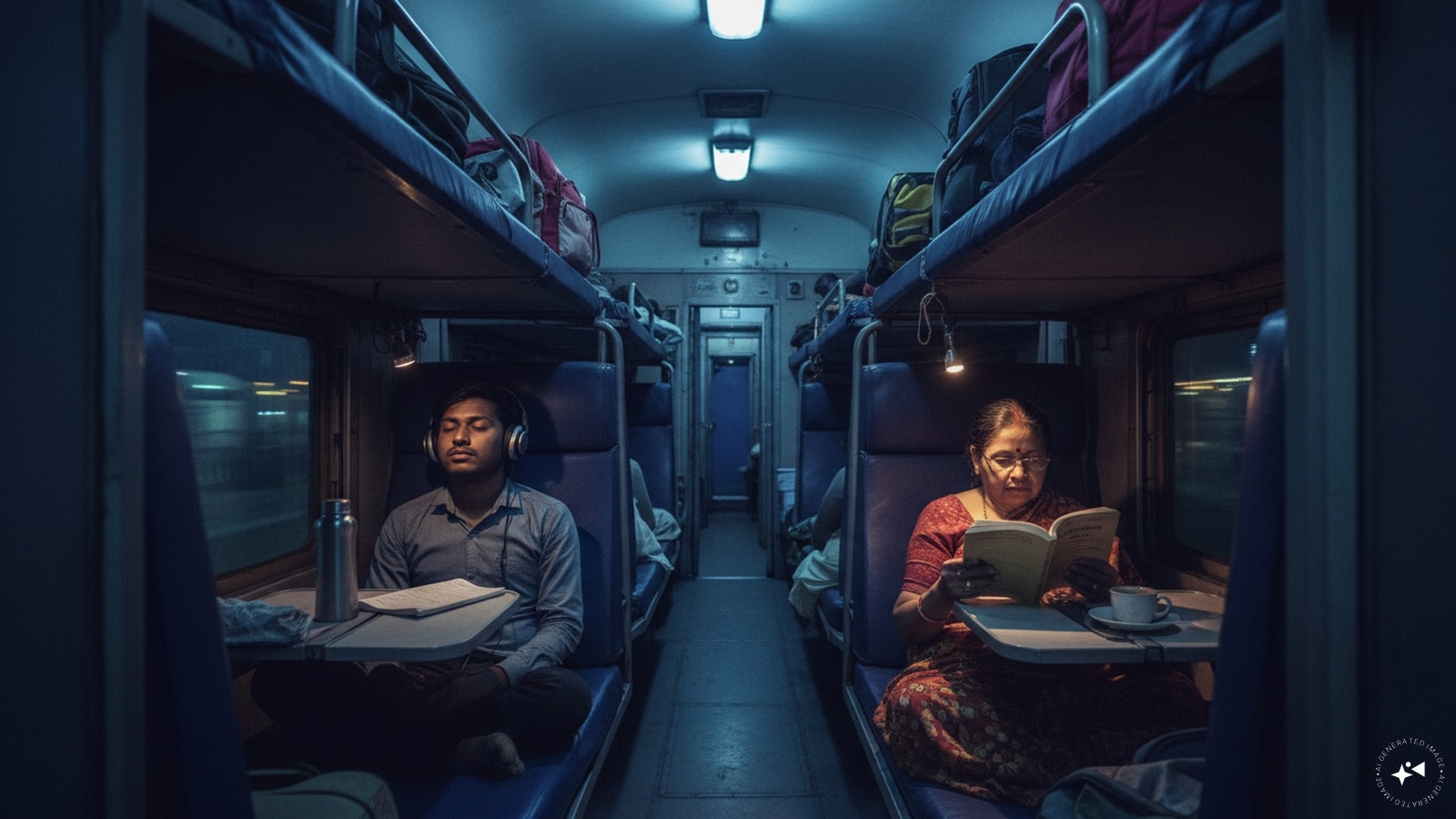
Keep the volume low after bedtime: A sleeper coach has passengers travelling on different schedules, so late-night phone calls, videos and loud conversations can quickly disturb others. Headphones and a lower voice are usually the easiest solution. The unofficial rule: your journey should not become everyone’s soundtrack. (AI photo)
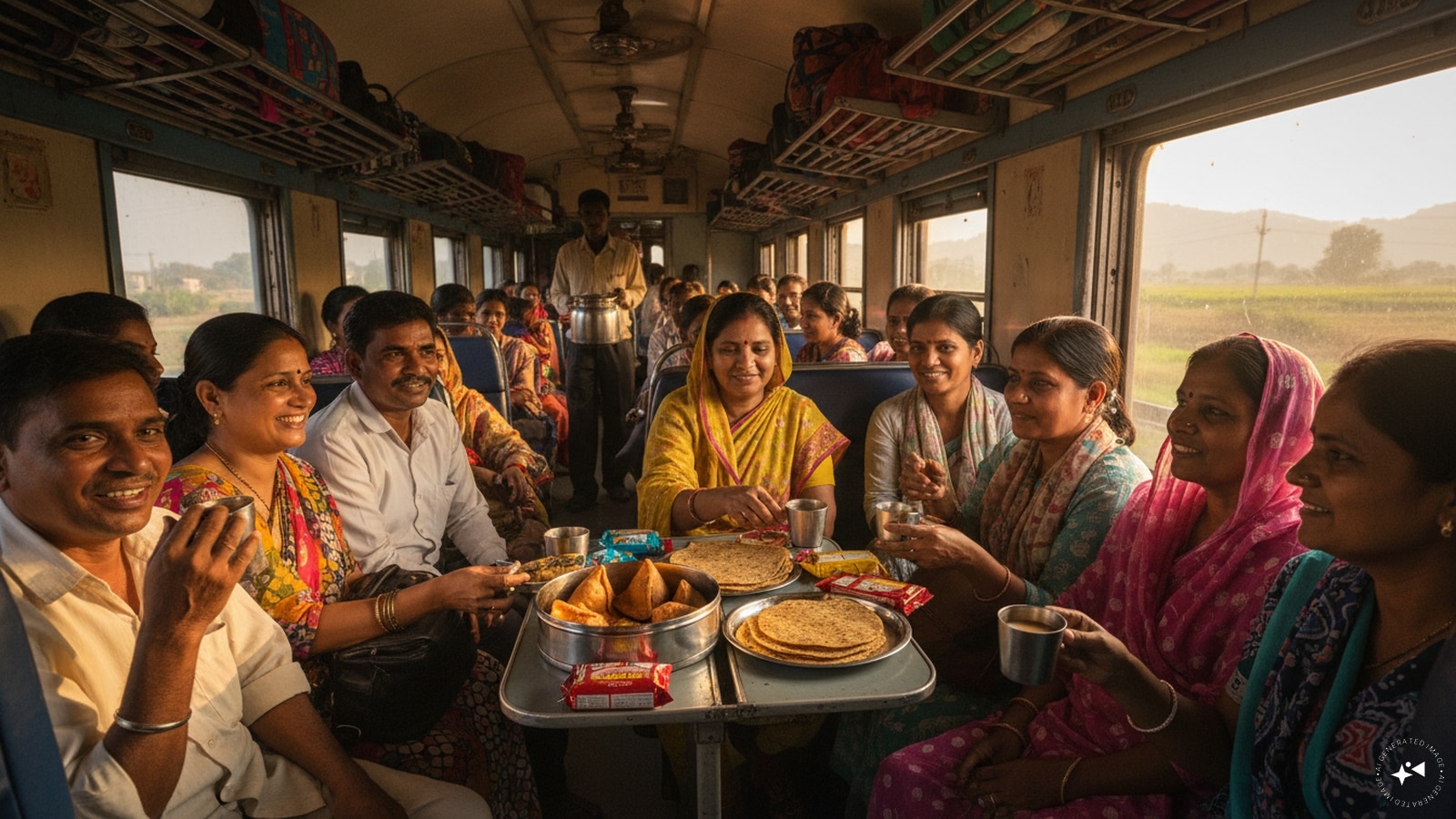
Food gets shared, but asking first is the rule: Indian train journeys have a long association with homemade food, snacks and chai. Someone may offer you a samosa, poha or thepla, but accepting or declining politely is part of the ritual. The important unofficial rule: never take food without asking. (AI photo)