


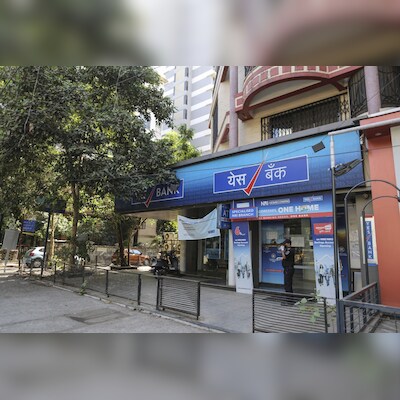

The global rating agency Moody’s has upgraded its assessment of Yes Bank, an Indian private sector lender, from “stable” to “positive,” citing a gradual improvement in the bank’s lending franchise and depositor base. Its core profitability will rise as a result during the following 12 to 18 months.
The improvement in the bank’s capitalization and asset quality over the last two to three years is factored into the optimistic outlook. The bank’s poor core profitability, which is a result of high funding costs and the pressure to satisfy priority sector lending (PSL) targets, slightly offsets this.
The “Ba3” long-term (LT) foreign currency (FC) and local currency (LC) bank deposit ratings of Yes Bank were also confirmed by the rating agency.
According to Moody’s, “We expect Yes Bank’s core profitability, which is measured by pre-provisioning profits to total assets, will gradually improve to above 1.2 per cent over the next 12-18 months from 0.8 per cent in the financial year ended March 2024.”
Yes Bank’s overall profitability will increase if it is able to better comply with the central bank’s Priority Sector Lending regulations by increasing new loans from its branches, which would help lower operating costs for hitting the targets.
The rating agency also stated that its lending strategy, which prioritises higher-yielding but riskier retail and small- and medium-sized business segments, will contribute to the company’s increased net interest margins.
Given the strong loan loss provision coverage of its legacy stressed assets, recoveries from those assets will largely balance a steady increase in the bank’s credit expenses. Despite these advancements, Yes Bank’s profitability will continue to lag behind that of its Indian peers that we rate, which will be a major hindrance to further enhancements to its credit profile, according to Moody’s.
When considering other sizable Indian banks in the private sector that the agency evaluates, Yes Bank’s funding and liquidity are more modest. The bank now has greater funding expenses than its competitors as a result of this. “We expect the bank’s funding costs to remain higher than its peers’ over the next 12-18 months because of increasing competition among banks for deposits,” it stated.