


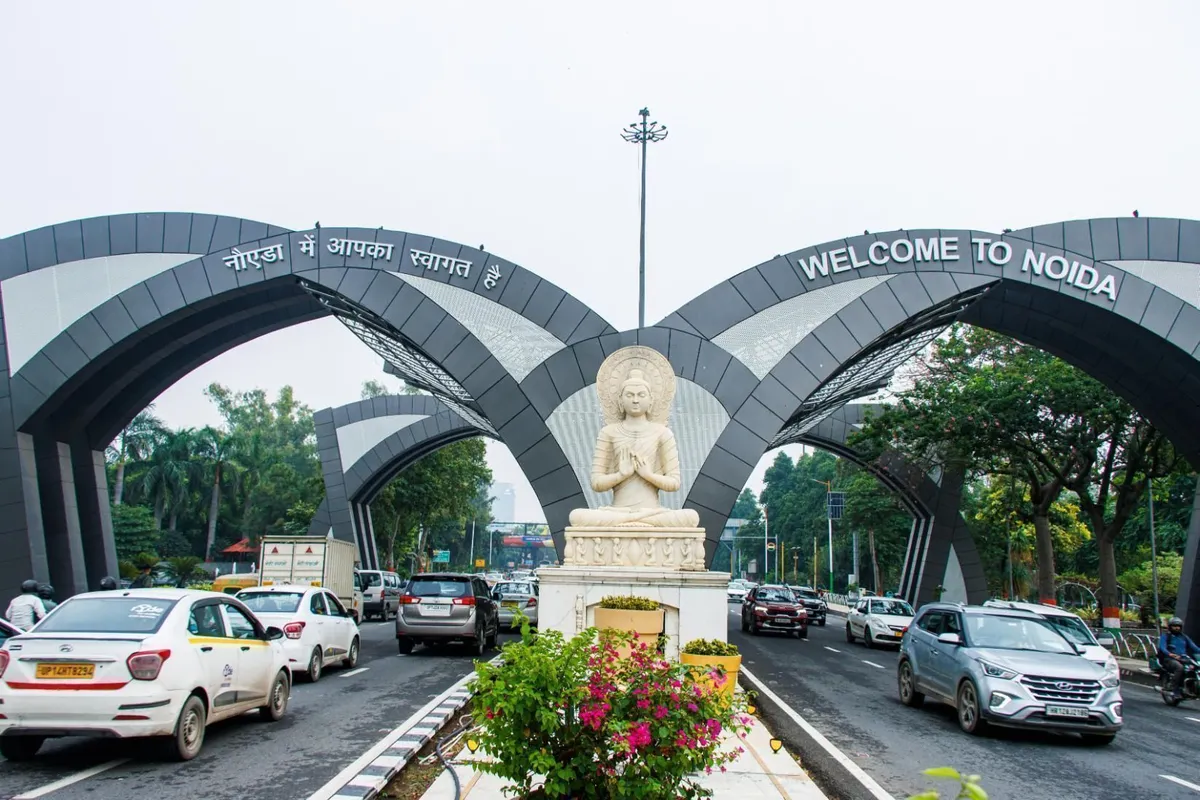
Noida : Rising geopolitical tensions in West Asia are beginning to affect LPG supply chains, leading to concerns in several Indian cities, including Delhi-NCR. As uncertainty grows over the availability of LPG cylinders, residents and businesses are increasingly turning to electric induction cooktops as a practical alternative for daily cooking needs.
Traders’ body urges shift to induction cooking
Sushil Kumar Jain, President of the Sector 18 Market Association in Noida, has appealed to traders and residents to adopt electric induction cooking as a reliable option to save LPG consumption and ensure uninterrupted kitchen operations.
The ongoing supply disruptions are prompting both households and commercial establishments to consider alternative cooking methods. According to him, induction cooktops offer a dependable backup during periods of LPG shortages and can help reduce dependency on cylinders.
Sushil Kumar Jain, President, Sector 18 Market Association
Higher energy efficiency and lower costs
Induction cooktops claim an energy efficiency of around 90–92 per cent, significantly higher than LPG stoves, which typically operate at 50–60 per cent efficiency. This efficiency difference can lead to substantial savings in energy expenses.
Jain noted that commercial kitchens in busy markets could reduce their energy bills by up to 40 percent by adopting induction cooking for several routine tasks. The technology also provides instant heat control, eliminates open flames and helps keep kitchen temperatures lower, making it particularly suitable for retail food outlets dealing with high cooking volumes.
Safer and faster cooking option
Apart from energy savings, induction cooktops are considered safer because they operate without open flames. This reduces the risk of fire hazards in crowded commercial kitchens and residential apartments.
Users can also expect faster cooking times for basic tasks such as boiling water or preparing tea. The system ensures minimal energy waste as heat is transferred directly to the cooking vessel rather than the surrounding air.
Increasing use in urban households
Experts estimate that around 12–15 per cent of urban households already use induction cooktops as a backup during LPG delivery delays. With the current uncertainty in supply, that number is expected to increase further.
Market estimates suggest that sales of induction cooktops have already risen by nearly 40 percent in recent weeks as consumers prepare for possible LPG shortages.
Long-term benefits beyond the current crisis
According to market representatives, the shift toward induction cooking could have long-term advantages beyond the current supply concerns. Reduced dependence on LPG may help control panic buying and price fluctuations, even as authorities monitor the situation under the Essential Commodities Act.
In addition, greater adoption of electric cooking technologies may contribute to lower emissions and reduced household energy costs over time, making it a sustainable alternative for both homes and businesses.