


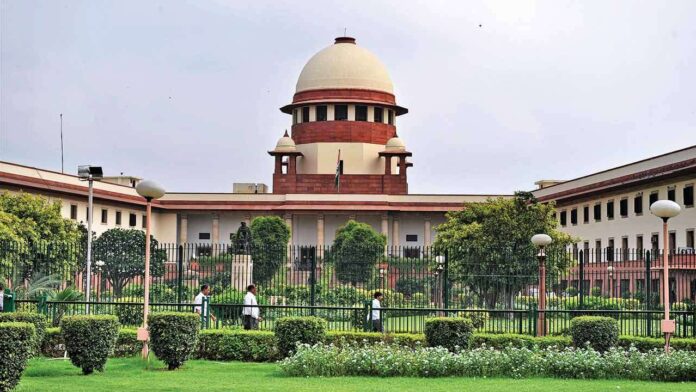

Greater Noida: Great news for lakhs of flat buyers in Greater Noida and Noida. The Supreme Court of India has said in a key decision that the Greater Noida Industrial Development Authority cannot directly recover penal charges and compensation fees from homebuyers due to builders’ mistakes or delays.
This decision brings relief to thousands of families who have been facing problems with flat registration and additional payments for years.
What was the whole issue? The Greater Noida Authority had imposed dues, interest, and penalties on builders for several projects. Later, in some cases, there was an attempt to pass these extra financial burdens onto the flat buyers, which caused concern among homebuyers.
The matter reached the Supreme Court, where the court clarified that the financial disputes between builders and authorities cannot be directly passed on to the buyers.
Key comment from the Supreme Court
The Supreme Court said that people who have spent their lifetime earnings to buy a home should not have to suffer because of disputes between builders and development authorities.
The court noted that buyers have already faced long delays, lack of possession, and other hassles. In such cases, putting additional financial burden on them would not be fair.
The path to registration could become easier
The biggest impact of this decision could be on projects where flat buyers have been waiting for registration for years. It is believed that after the decision, the registration process in many pending cases could speed up, increasing the chances of relief for buyers.
Millions of buyers in Noida-Greater Noida to benefit
According to experts, this decision is not limited to just one project. It will provide a legal basis for buyers of many residential projects in Noida and Greater Noida, where disputes over additional dues and penalty charges are ongoing.
Important decision for the real estate sector
This Supreme Court decision is being seen as a key step towards establishing accountability in the real estate sector. It sends the message that the burden of builders’ financial irregularities or their disputes with authorities cannot be directly passed on to consumers