


New Delhi: In a major step to curb worsening air pollution, the Delhi government has announced strict vehicle and fuel restrictions that will take effect from Thursday. The measures include a ban on fuel supply to vehicles without a valid Pollution Under Control (PUC) certificate and restrictions on the entry of non-BS-VI vehicles from outside the national capital. The announcement was made by Delhi Environment Minister Manjinder Singh Sirsa as air quality in Delhi continues to remain in the poor to severe category.
What vehicles are allowed and what are not?
Under the new restrictions:
Only BS-VI compliant vehicles from outside Delhi will be allowed to enter the city
Non-BS-VI vehicles from outside Delhi are banned from entering the capital
Vehicles without a valid PUC certificate will not get petrol or diesel at fuel stations
Delhi residents with compliant vehicles can continue normal travel and refuelling
Strict enforcement will be carried out at city entry points and petrol pumps
No fuel without a PUC certificate
Vehicle owners have been given one day to comply with the PUC requirement. After tomorrow, vehicles that do not have a valid PUC certificate will not be provided fuel.
Manjinder Singh Sirsa, Delhi Pollution minister
Authorities have already begun issuing challans to violators and fuel stations have been instructed to strictly check PUC compliance before refuelling.
GRAP-4 restrictions in force
Due to a sharp deterioration in air quality, Delhi and the National Capital Region (NCR) have invoked the strictest pollution control measures under the Graded Response Action Plan (GRAP-4).
These emergency steps include:
Restrictions on heavy vehicle entry
Work-from-home directives for government and private offices
Hybrid or online classes for several Suspension of outdoor activities and physical sports programmes.
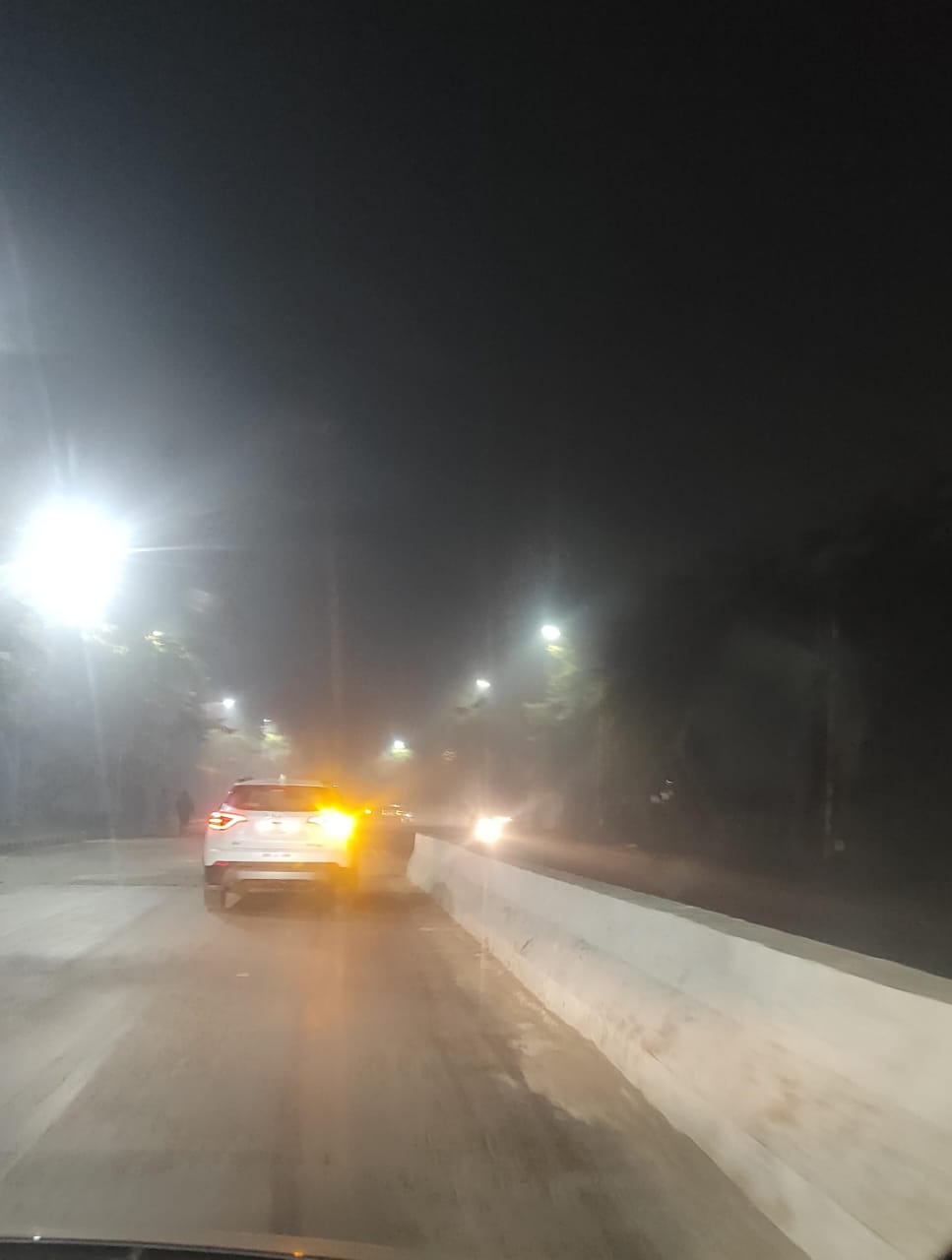
The decision was prompted by dense smog conditions and Air Quality Index (AQI) levels crossing dangerous thresholds, raising serious health concerns, especially for children, the elderly and people with respiratory illnesses.
Government action on pollution sources
Sirsa said the government is taking daily action to control pollution, including:
Reducing the height of garbage mountains by 15 metres
Cleaning and reclaiming 45 acres of land
Installation of over 2,000 pollution-monitoring plants by the Delhi Pollution Control Committee (DPCC)
The government has also identified 13 pollution hotspots across Delhi and directed concerned agencies to take focused action. According to the minister, AQI levels at these locations have improved compared to previous years, except during the COVID period.
‘Impossible to fix pollution in 9–10 Months’
Commenting on criticism over air quality, Sirsa said expecting immediate results was unrealistic.
It is impossible for any elected government to reduce AQI in 9–10 months. I apologize for the pollution in Delhi. We are doing better work than the dishonest AAP government, and we have reduced AQI each day.
Manjinder Singh Sirsa, Pollution Minister
He accused the Aam Aadmi Party (AAP) of creating the pollution crisis during its tenure and alleged that the party is now trying to divert attention through protests.
Push for cleaner transport
To reduce vehicular emissions, the government plans to deploy 7,500 electric buses Across Delhi. A scientific committee has also been formed to suggest long-term pollution control measures.
Biomethanation plants also contribute to emissions and heaters have been installed at these facilities to reduce pollution and improve operational efficiency.
Manjinder Singh Sirsa, Pollution Minister
Delhi AQI remains a challenge
The minister claimed that Delhi’s air quality remained better for nearly eight months this year compared to the same period last year. While acknowledging a recent spike in pollution levels, he said the situation is still improving due to sustained efforts by the current government.
With fuel bans, vehicle entry restrictions and GRAP-4 emergency measures in place, Delhi residents and commuters are urged to ensure compliance with pollution norms as authorities tighten enforcement to combat the capital’s air quality crisis.