


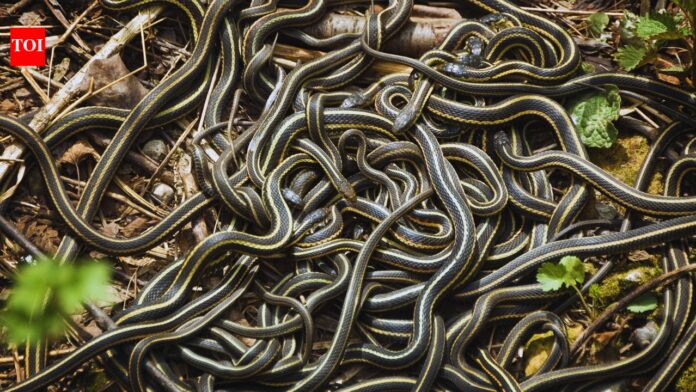

If the idea of one snake makes you uneasy, imagine tens of thousands rising from the ground at once. Look no further than the Narcisse Snake Dens, a provincial wildlife management area located about six kilometres north of Narcisse in the Rural Municipality of Armstrong, in Canada’s province of Manitoba. Every spring, this quiet patch of prairie becomes home to the largest known concentration of red-sided garter snakes in the world.
The world’s biggest snake gathering of this type
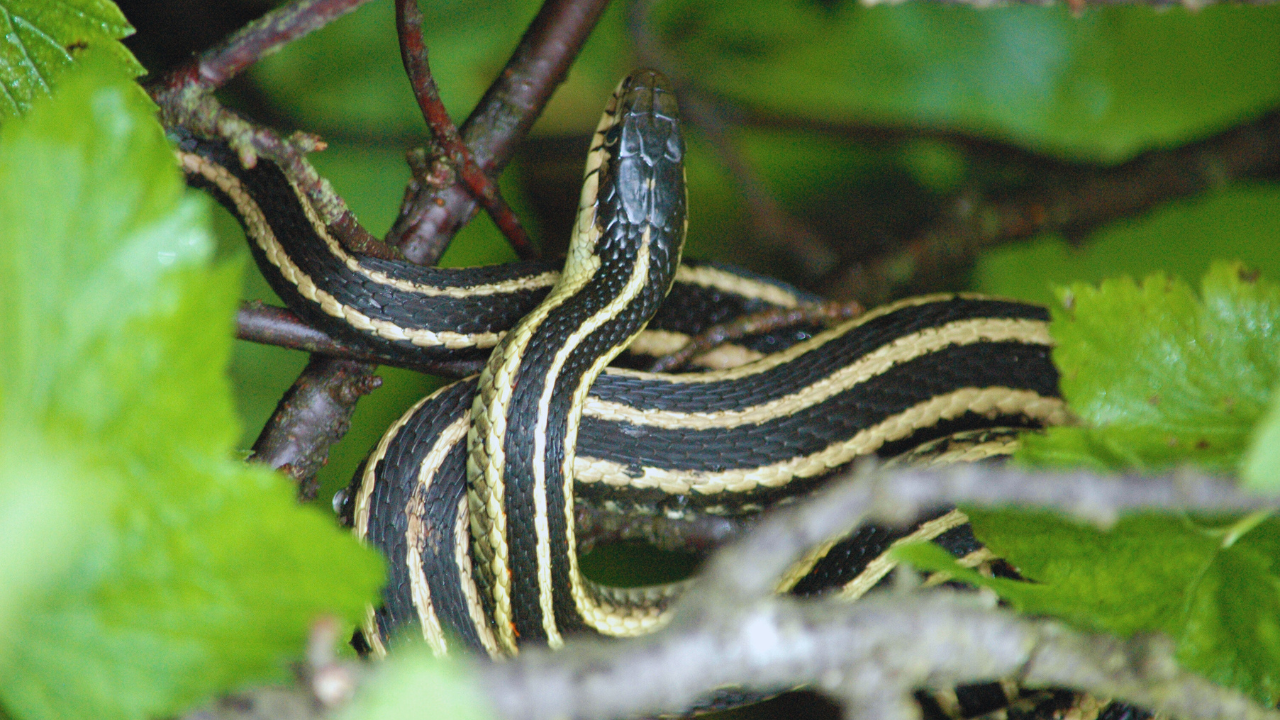
The stars of this remarkable natural event are the red-sided garter snakes (Thamnophis sirtalis parietalis). During winter, they retreat into deep limestone caverns formed by water-worn bedrock beneath the surface. These underground dens protect them from Manitoba’s freezing temperatures.
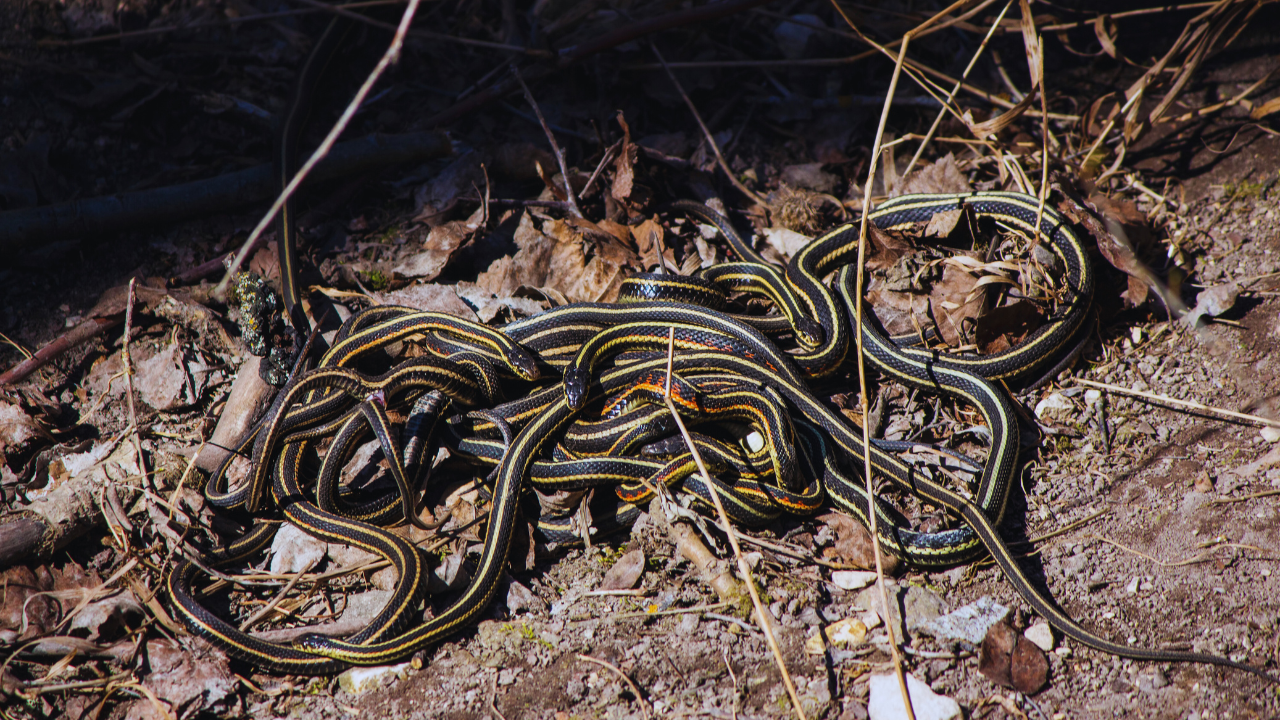
But when spring arrives, typically in late April to early May, the ground seems to move. Tens of thousands of snakes emerge from the pits in what is one of North America’s most unusual wildlife spectacles. They gather in writhing clusters known as mating balls, where dozens of males compete to mate with a single female before dispersing into nearby marshes for the summer.By early September, the process reverses. The snakes begin their journey back to the dens to survive another brutal winter. Read more: Iceland’s iconic black beach is disappearing: What’s happening at Reynisfjara
A population in peril
For decades, the population around Narcisse was estimated at roughly 70,000. But in 1999, unusually severe weather struck before many snakes could safely return to their winter dens. Tens of thousands perished, dramatically reducing their numbers.The event exposed a critical vulnerability in the snakes’ biannual migration: their route crosses Highway 17. Each year, approximately 10,000 snakes attempting to reach or leave the dens had been crushed under vehicle tyres. When the population was large, these losses were sustainable. After 1999, however, they became a serious conservation concern.
Engineering a snake-saving solution
In response, conservationists, volunteers and Manitoba Hydro stepped in.Foot-high snow fences were installed along sections of Highway 17 to guide migrating snakes toward specially constructed six-inch (15-centimetre) tunnels running beneath the road. These underpasses allowed the reptiles to cross safely.During migration season, roadside signs also urge motorists to slow down.The results were dramatic. Snake deaths on the highway dropped from around 10,000 annually to fewer than 1,000 per season, a significant improvement that helped stabilise the population. Read more: The only passport offering access to 190+ destinations in latest Henley index — Full list inside
A remarkable rebound
By 2024, numbers had largely recovered. Annual estimates now range between 75,000 and 150,000 snakes, depending on environmental conditions.Today, the Narcisse Snake Dens stand as both a natural wonder and a conservation success story proof that small infrastructure changes can make a large ecological impact.The conservation area is open to the public, with viewing platforms that allow visitors to safely observe the spectacle without disturbing the animals.
The best time to visit is during peak activity:
Late April to early May (mating season)Early September (return migration to the dens)It may not be everyone’s idea of a dream holiday. But for wildlife enthusiasts, photographers and curious travellers, few places on Earth offer a spectacle quite like Narcisse, where the ground itself seems to slither.