


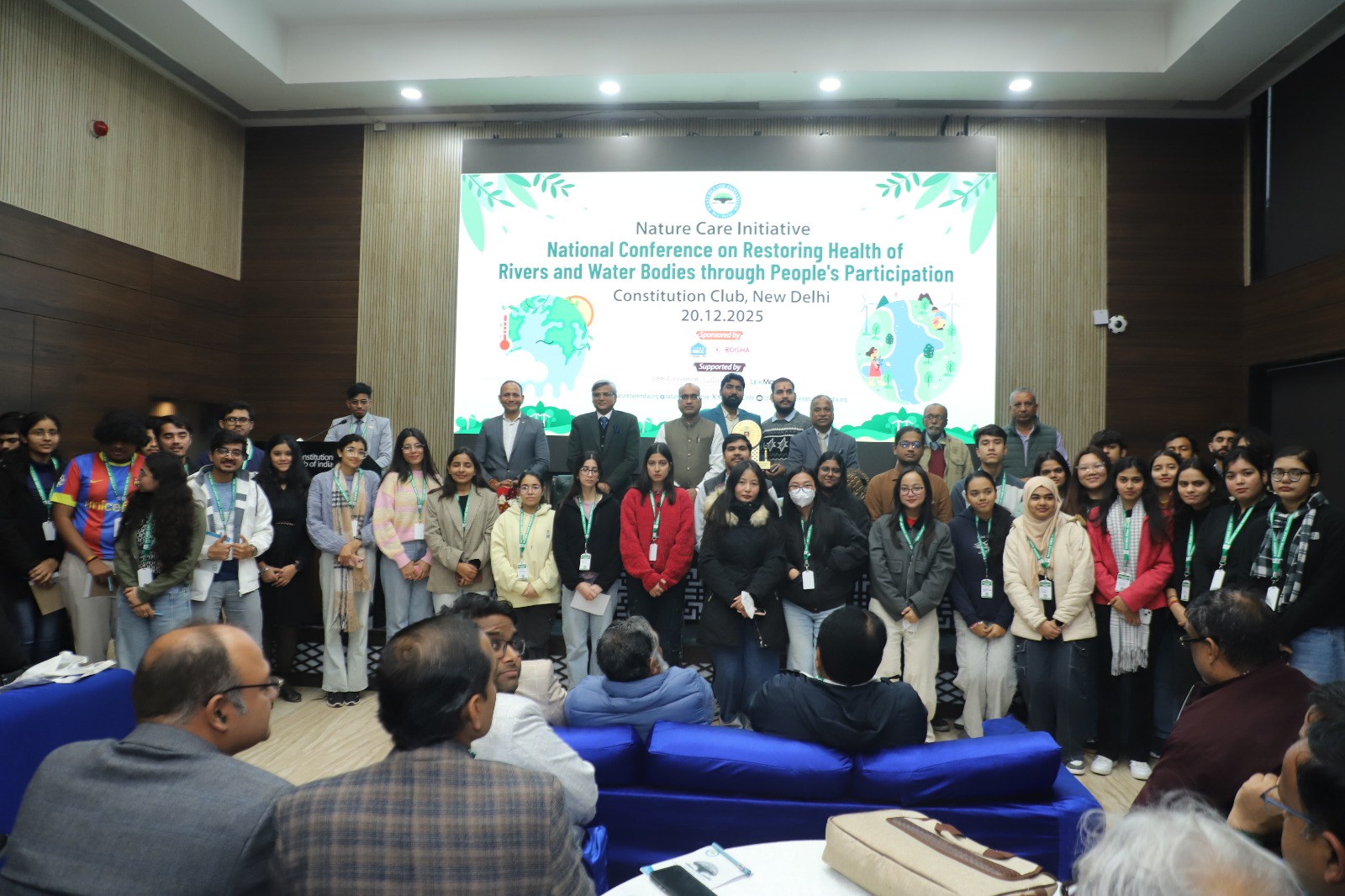
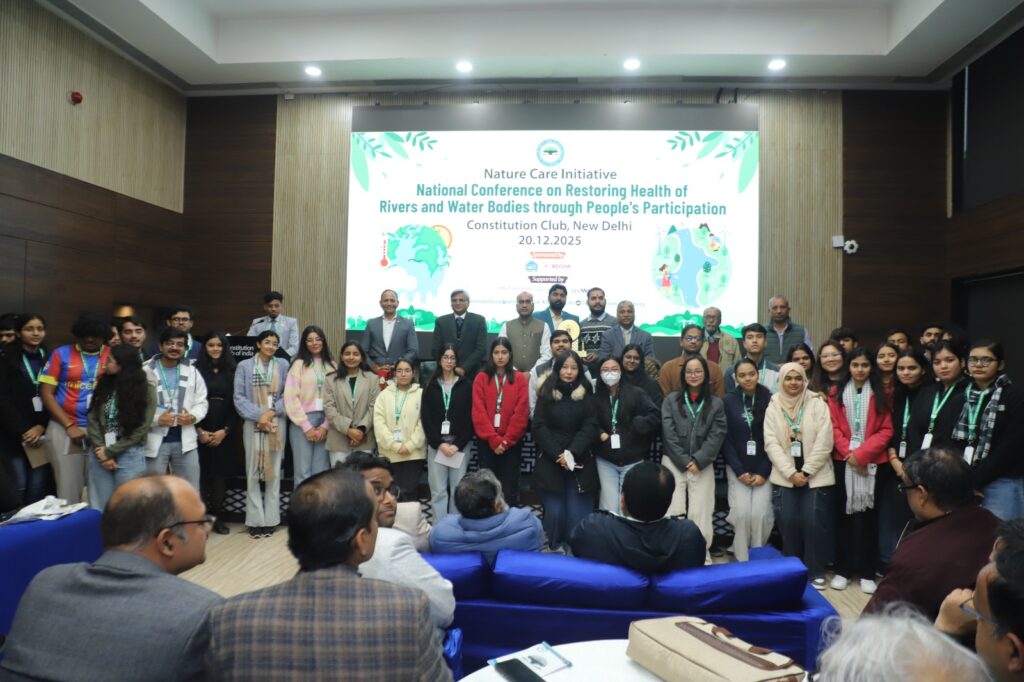
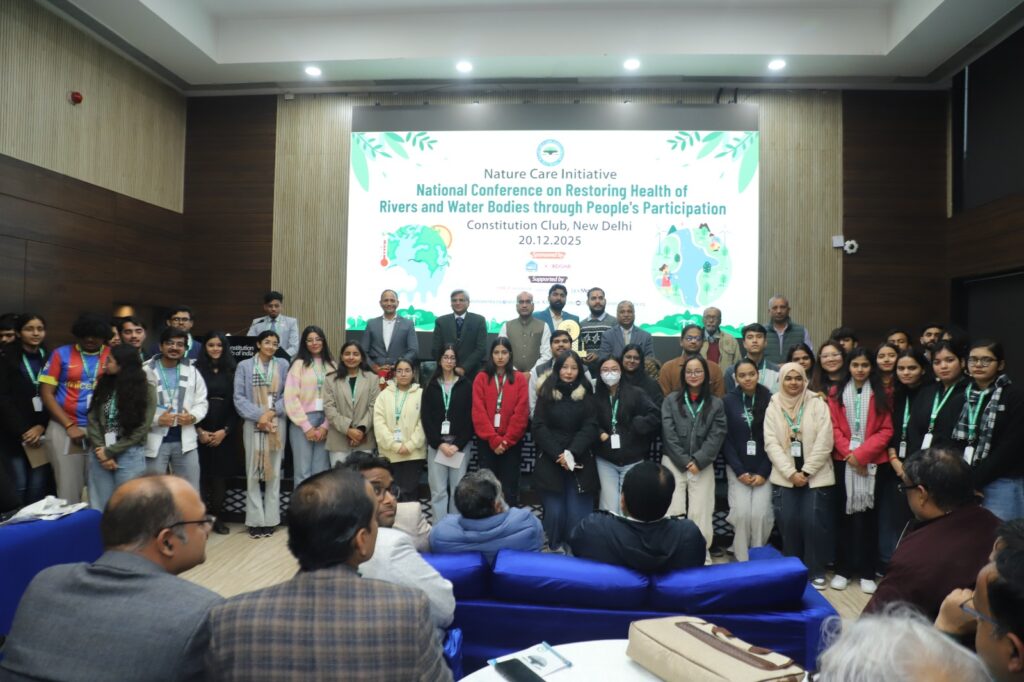
New Delhi : In a strong call for collective environmental responsibility, a national conclave on “Restoring the Health of Rivers and Water Bodies” emphasized that saving India’s rivers requires active public participation alongside policy and governance efforts. The conference was organized by the Nature Care Initiative (NCI) at the Constitution Club, New Delhi.
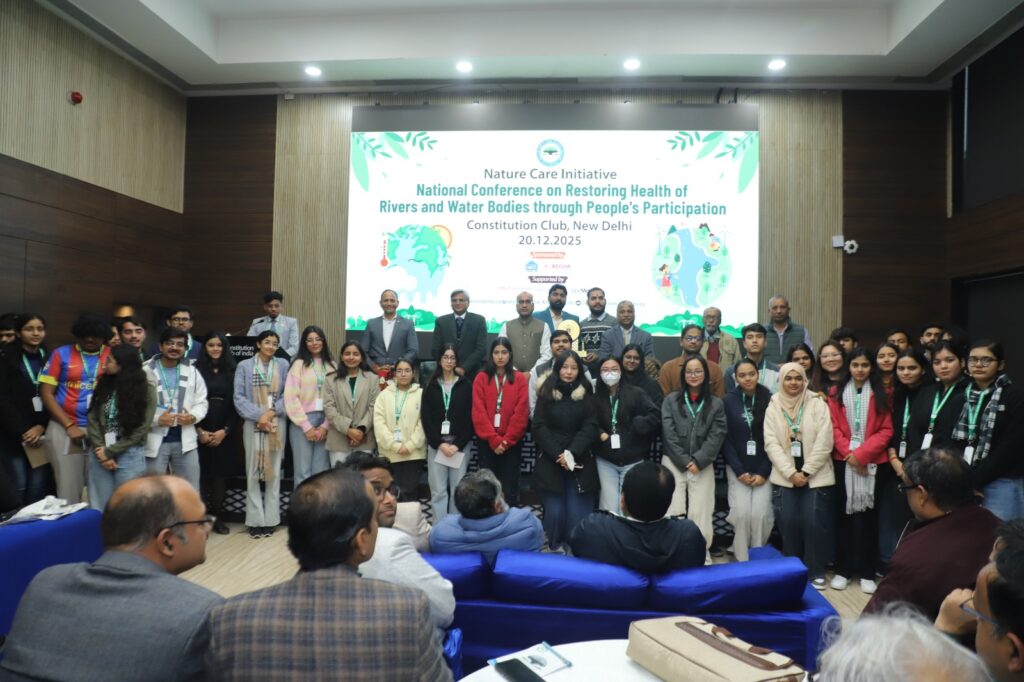
Citizens must lead the mission to revive India’s rivers, say experts
Environmental experts, lawmakers, academicians and civil society representatives unanimously agreed that river rejuvenation cannot succeed without people’s ownership. The conclave highlighted the urgent need to transform river conservation into a mass movement driven by citizens.
Government efforts alone are not enough; Community ownership is key
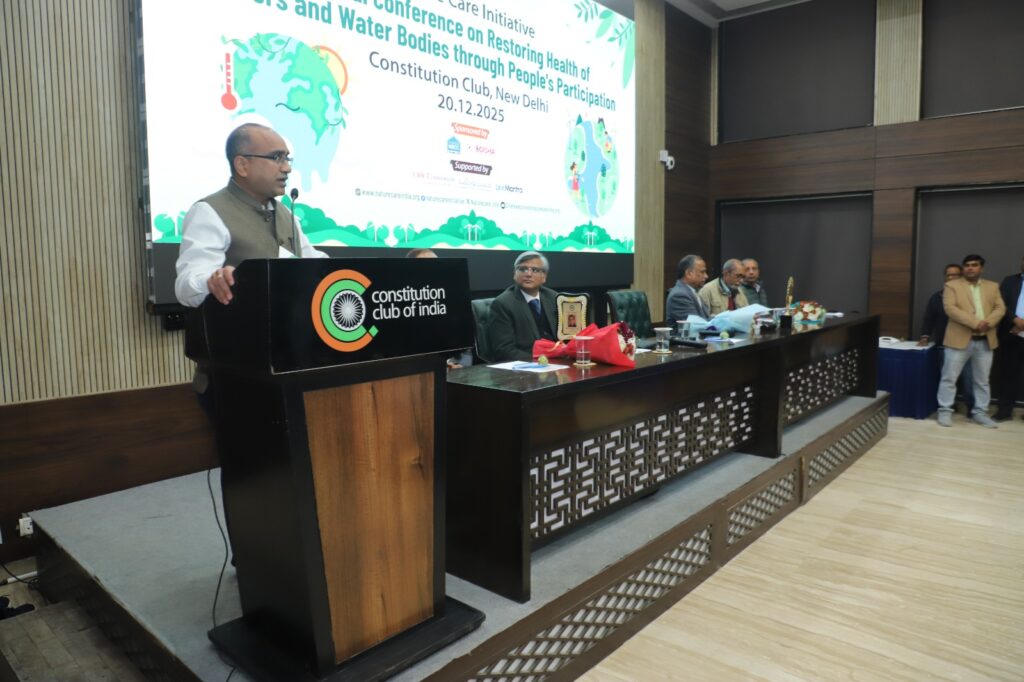
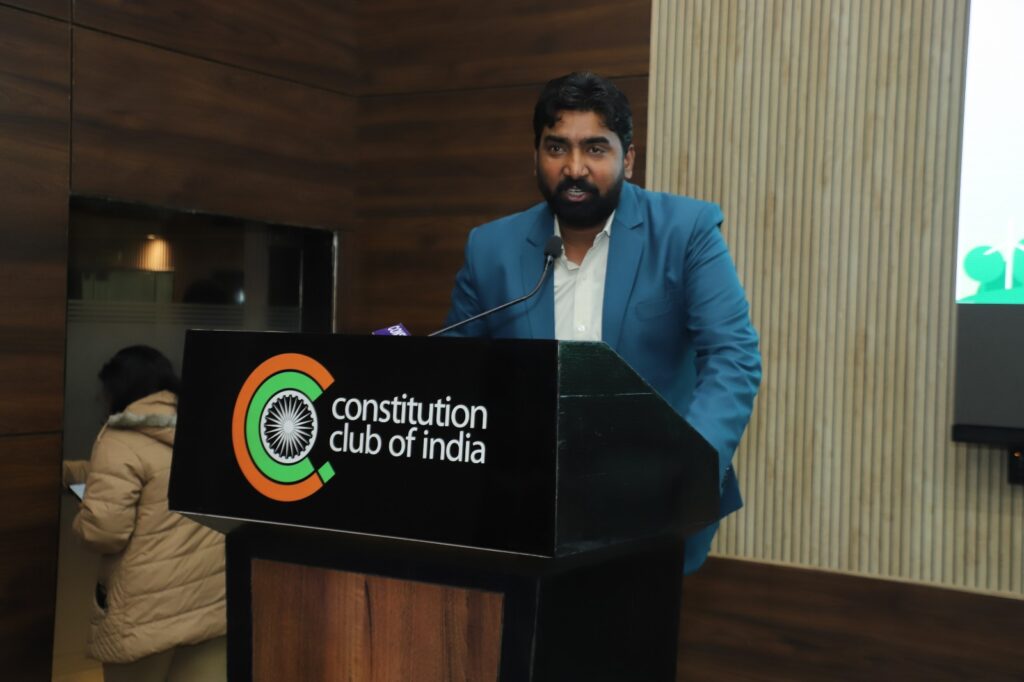
Addressing the gathering as Chief Guest, Rajya Sabha MP Sujit Kumar stressed that governmental initiatives alone are insufficient to restore rivers and water bodies. He underlined the importance of community involvement, noting that lasting environmental change requires citizens to actively participate in conservation efforts.
‘Environmental change begins at home,’ Says Rajya Sabha MP Sujit Kumar
Every small effort by an individual contributes to a larger national transformation. Sustainable practices must begin within households. Community ownership is the foundation of meaningful and lasting change.
Sujit Kumar, MO, Rajya Sabha
‘Despite heavy investment, River restoration remains incomplete’ : Prof. Sahoo
Renowned environmentalist Prof. Dinabandhu Sahoo, Head of the Department of Botany at the University of Delhi, pointed out that despite significant financial investment in initiatives such as the Ganga-Yamuna Action Plan, the goal of restoring rivers remains unfulfilled. He urged citizens to treat river conservation as a shared responsibility rather than a government obligation alone.
Nature-based solutions hold the key to combating pollution and water stress
Prof. Sahoo strongly advocated nature-based solutions as a sustainable response to Delhi’s escalating pollution and water crisis. He emphasised reconnecting urban planning and civic behaviour with natural ecosystems to ensure long-term environmental resilience.
Legal, Policy and Civic Engagement must work together for lasting impact
Soumyajeet Pani, an advocate at the Supreme Court of India, highlighted the critical role of community participation across urban and semi-urban landscapes. He noted that effective river restoration demands informed citizens who engage constructively with legal and governance frameworks.
Technology, Policy convergence and Public participation vital for river rejuvenation
Adding a media and policy perspective, Ashish Gupta, President of the South Asia Climate Change Journalists’ Forum, stressed that river restoration requires a strategic blend of technology, policy convergence, and sustained public engagement. He also underscored the role of responsible journalism in amplifying environmental awareness.
Experts outline citizen-led roadmap for cleaning rivers and water bodies
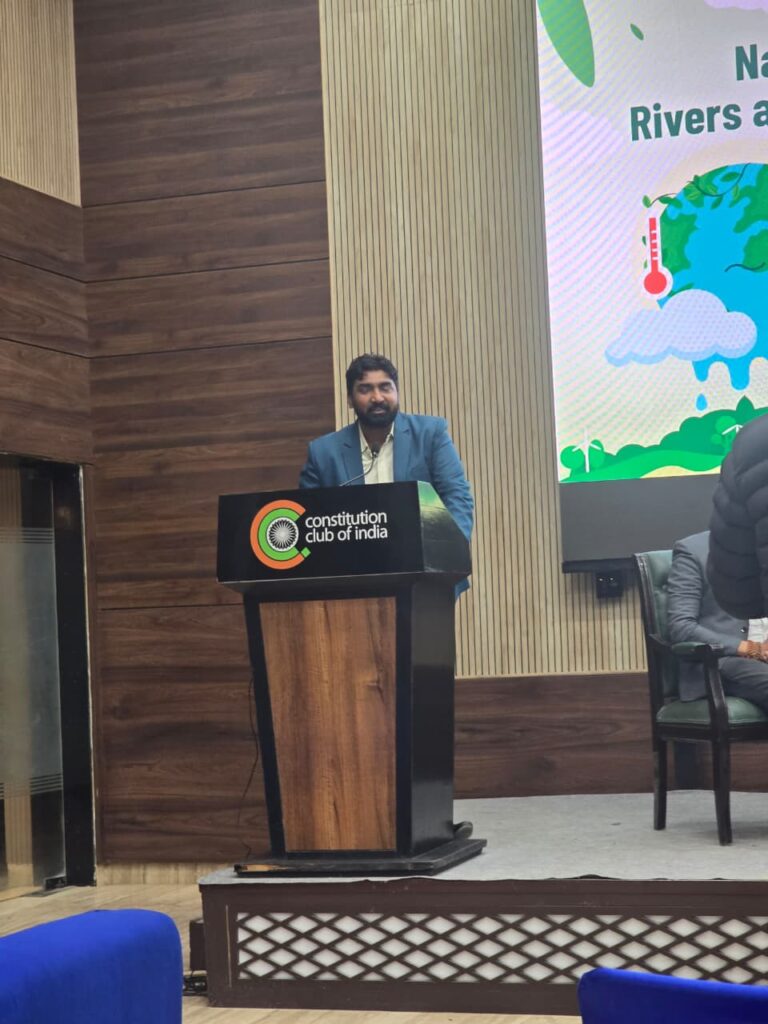
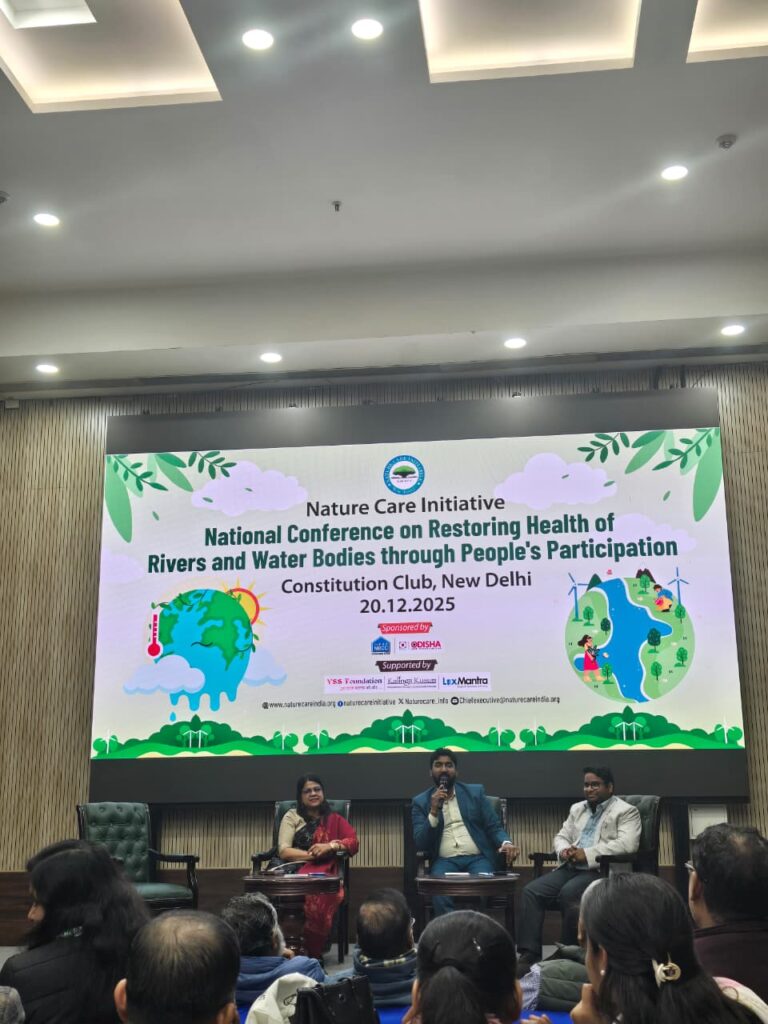
A technical session titled “Community Participation in Cleaning Rivers and Water Bodies” presented actionable strategies for grassroots involvement. Sachin Gupta, Director, YSS Foundation; Dr. Sanjukta Sahu, Head, Department of Civil Engineering, KIIT Bhubaneswar and Dr. Dharmendra Kumar, Assistant Professor, Miranda House, Delhi University, shared scalable models for citizen-led environmental action.
Grassroots action can transform local water ecosystems
Speakers highlighted that empowered communities, supported by scientific knowledge and institutional collaboration, can successfully revive local rivers, lakes and ponds, creating replicable models for sustainable water management.
Environmental champions honoured for pioneering sustainable solutions
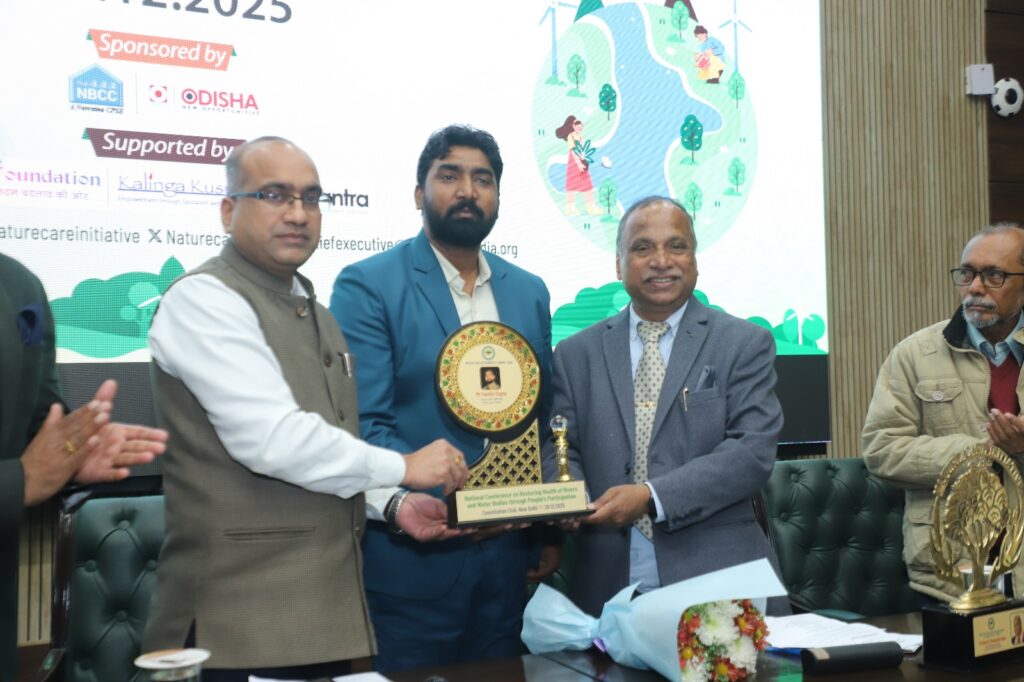
The conclave concluded with the presentation of awards recognising outstanding contributions to environmental conservation. Prof. Dinabandhu Sahoo received the Nature Care Award for Nature-Based Solutions, 2025, while the Nature Care Sustainability Award, 2025, was conferred upon Sachin Gupta, Dr. Dharmendra Kumar and Dr. Sanjukta Sahu.
The event closed with a unified message: restoring India’s rivers is not just an environmental necessity but a collective national mission one that can only succeed through informed citizens, community ownership and science-backed, people-driven solutions.