


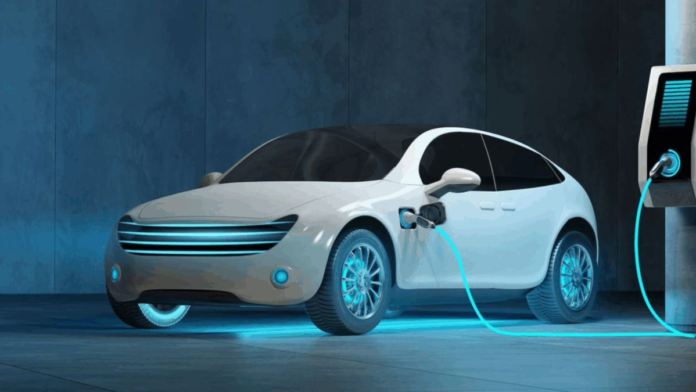

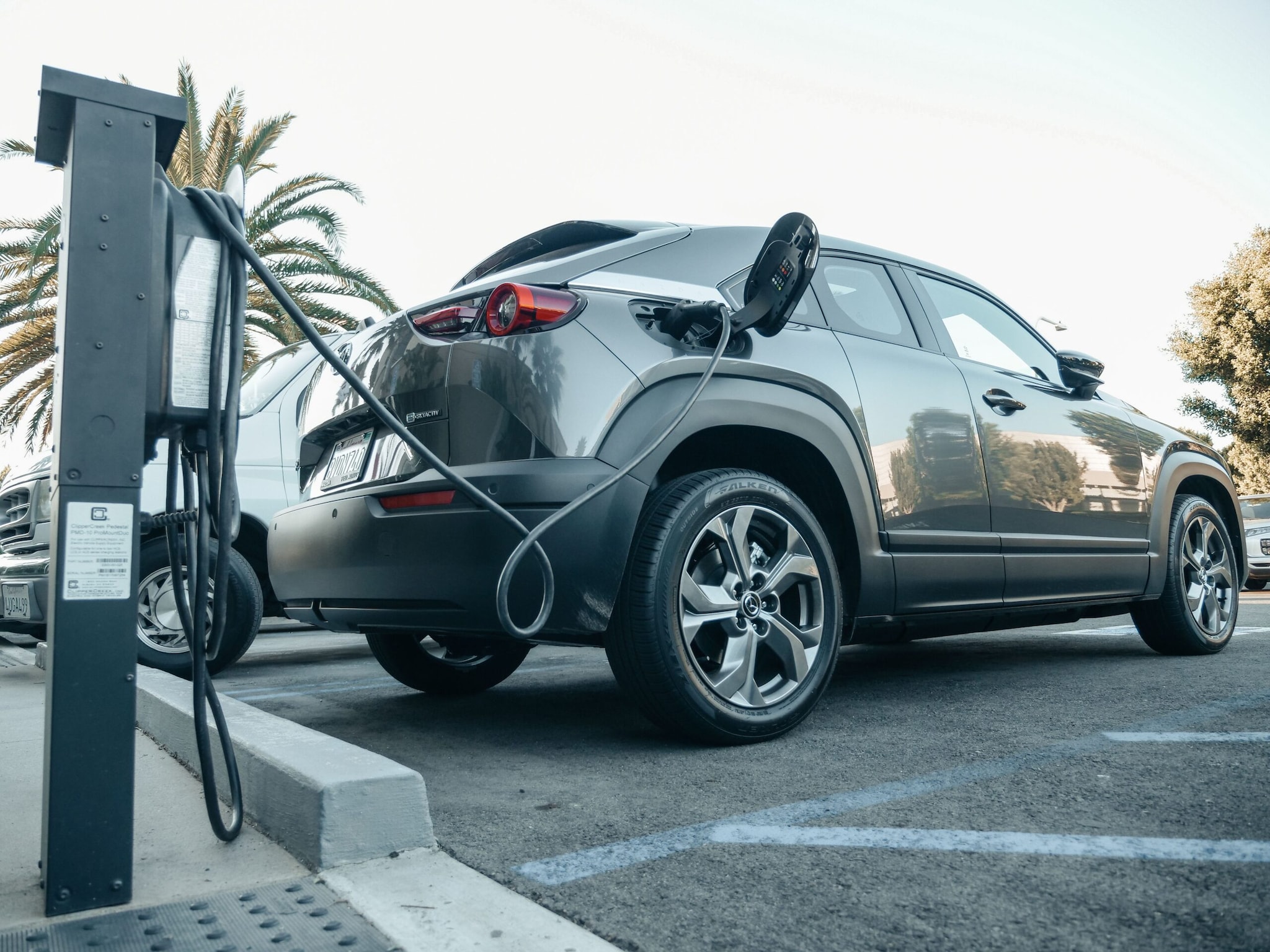
Check The IP Rating: Ensure your EV’s battery and motor have a high ingress protection rating (ideally IP67 or higher). This guarantees the core components are safely sealed against heavy dust and high-pressure water streams. (Representative Image: Pexels)
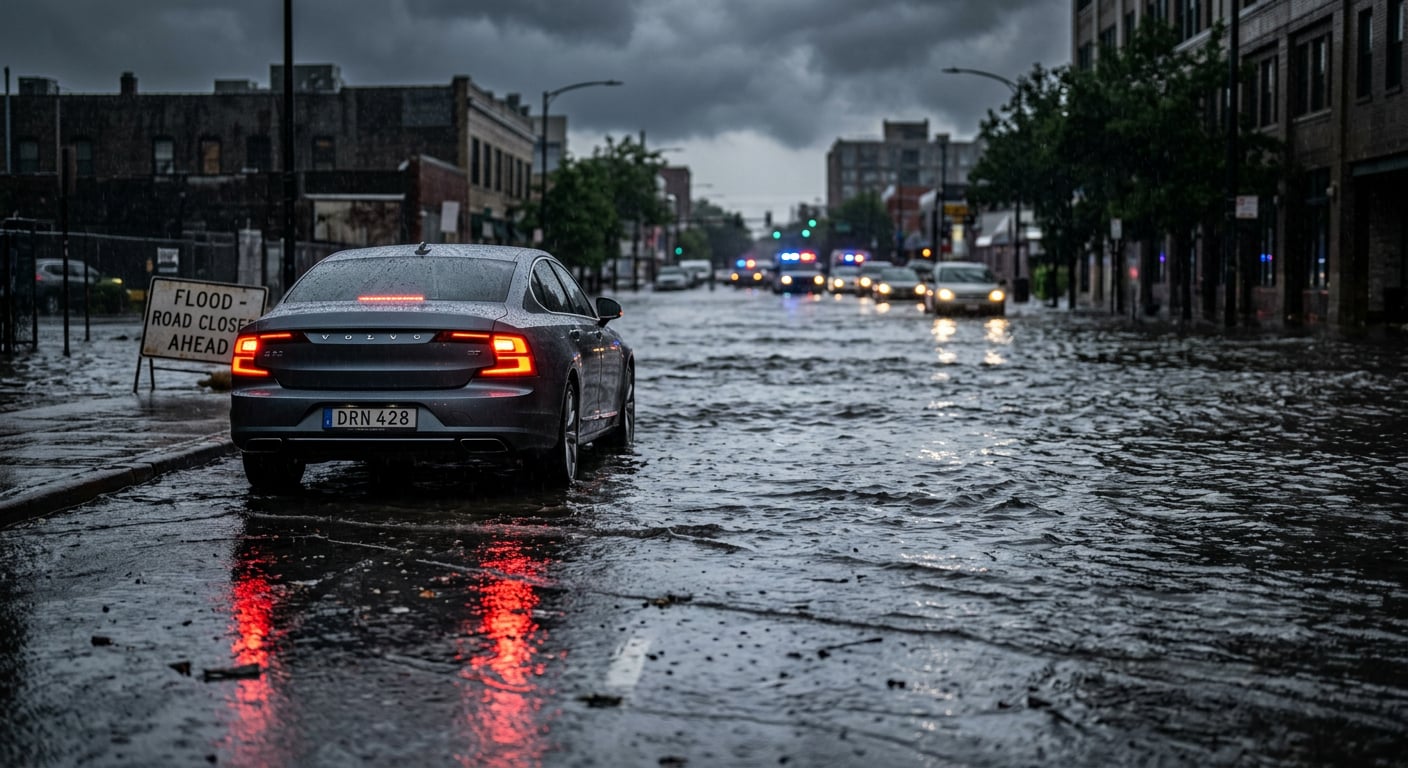
Avoid Deep Puddles: Never drive through deeply flooded streets. Even with waterproof seals, prolonged submersion can trap moisture in low-lying components, risk structural corrosion, or trigger automatic safety shutdowns. (Representative Image: AI-Generated)
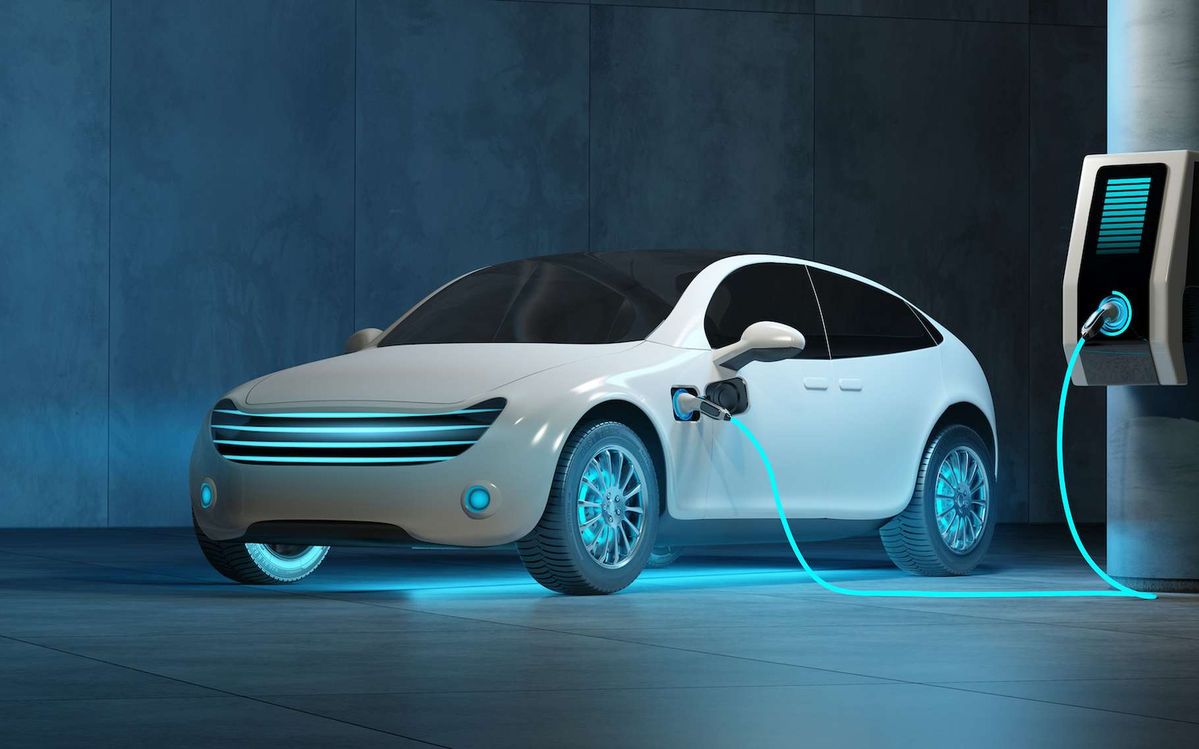
Charge Indoors Safely: Always plug in your vehicle under a secure, dry shelter. Avoid charging during active thunderstorms, and meticulously check that both the charging port and the connector gun are perfectly dry before connecting. (Representative Image: Pinterest)
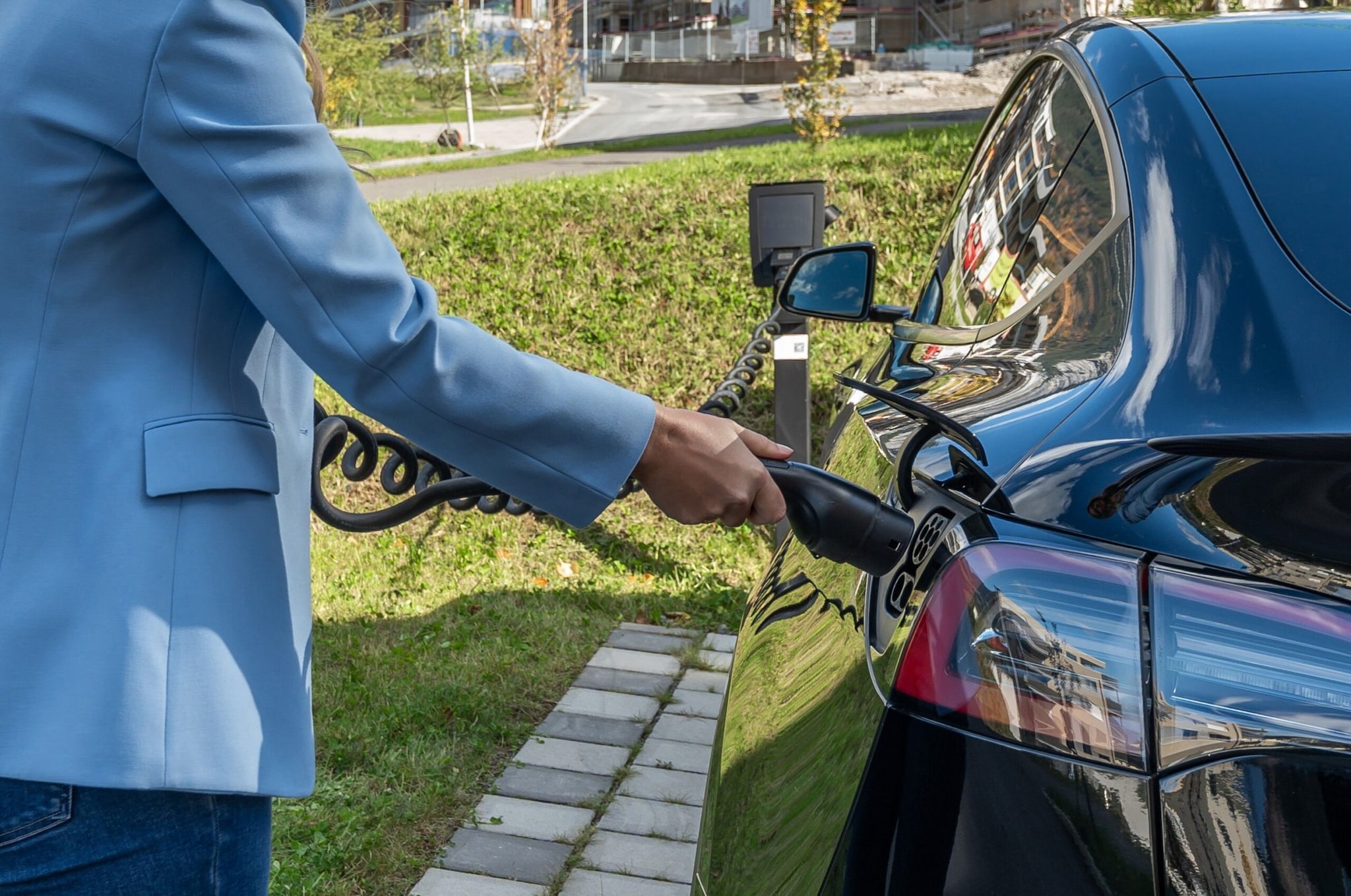
Inspect Charging Cables: Thoroughly examine your charging cables and home wall-box docks for any signs of wear, fraying, or exposed wiring. Damaged insulation poses severe short-circuit and electrocution hazards in wet conditions. (Representative Image: Pexels)
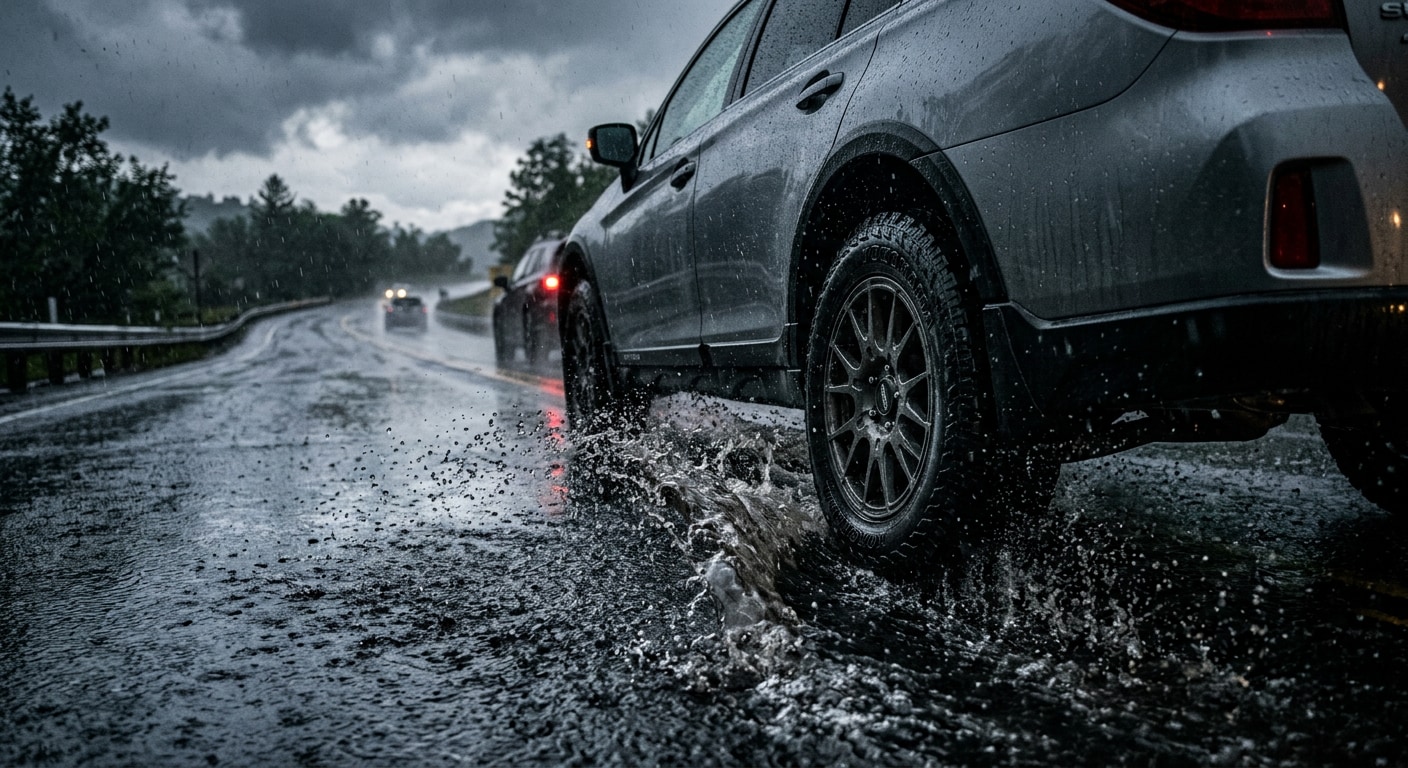
Maintain Your Tires: Monsoon roads are notoriously slick. Ensure your tires have adequate tread depth (at least 2mm) and are inflated to recommended pressures to maintain optimal grip and prevent dangerous hydroplaning. (Representative Image: AI-Generated)
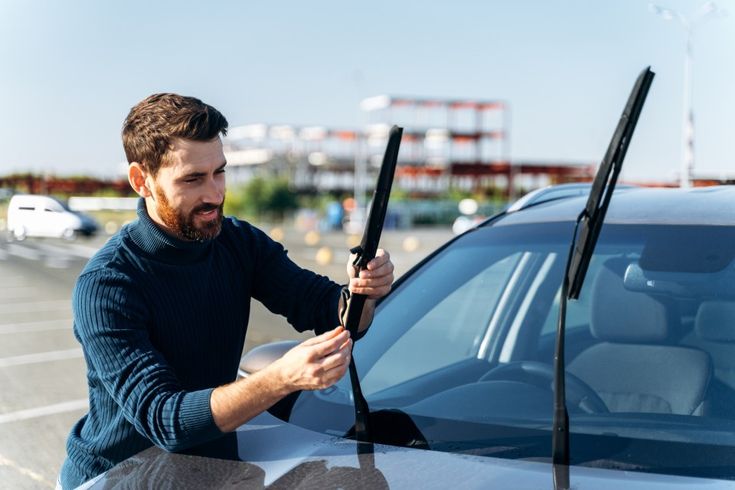
Service the Wipers: Clear visibility is paramount during torrential downpours. Inspect your windshield wiper blades for cracks, replace them if they leave streaks, and top up the washer fluid with an anti-fogging solution. (Representative Image: Pinterest)
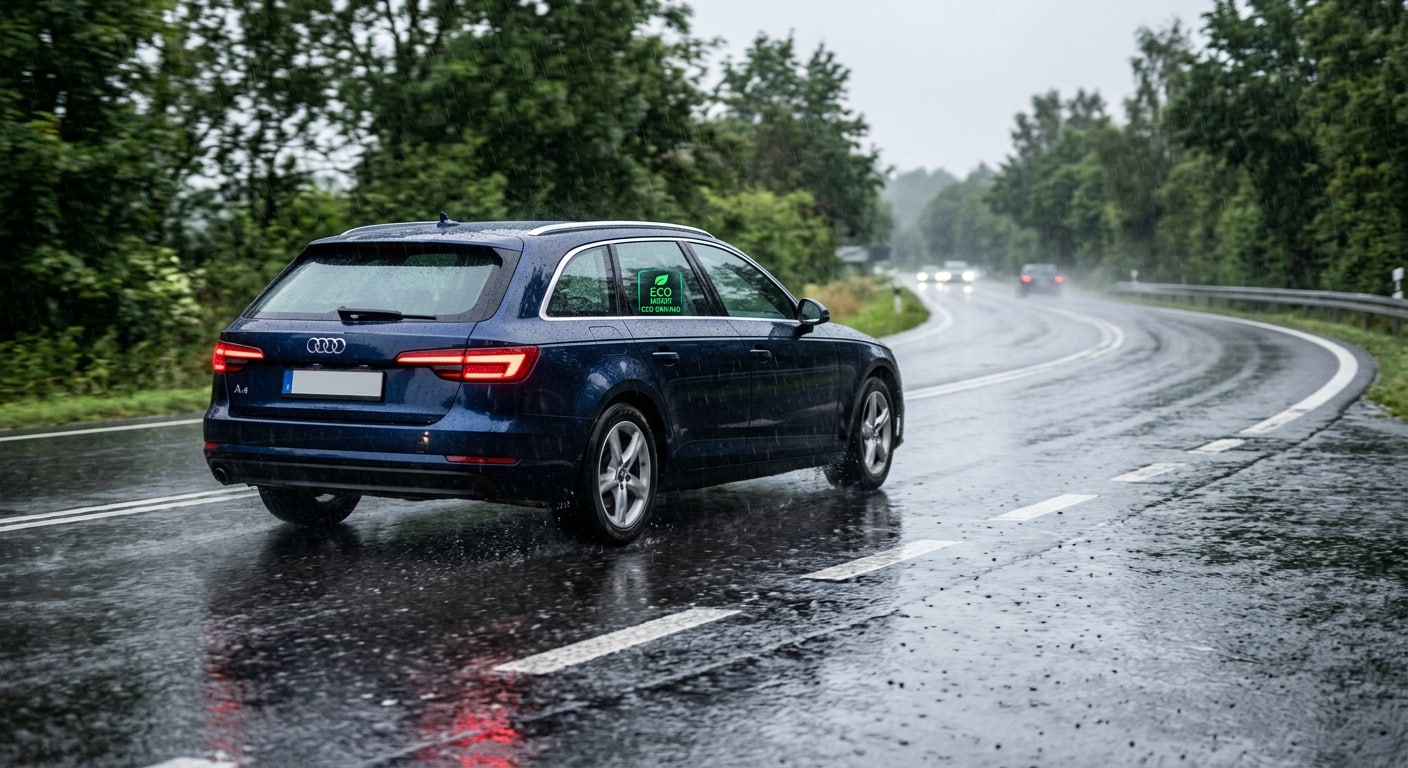
Use Eco Driving Mode: Switch your vehicle to Eco or Rain mode. This dampens aggressive throttle responses and manages torque distribution more smoothly, significantly reducing the chances of wheel spin on slippery asphalt. (Representative Image: AI-Generated)
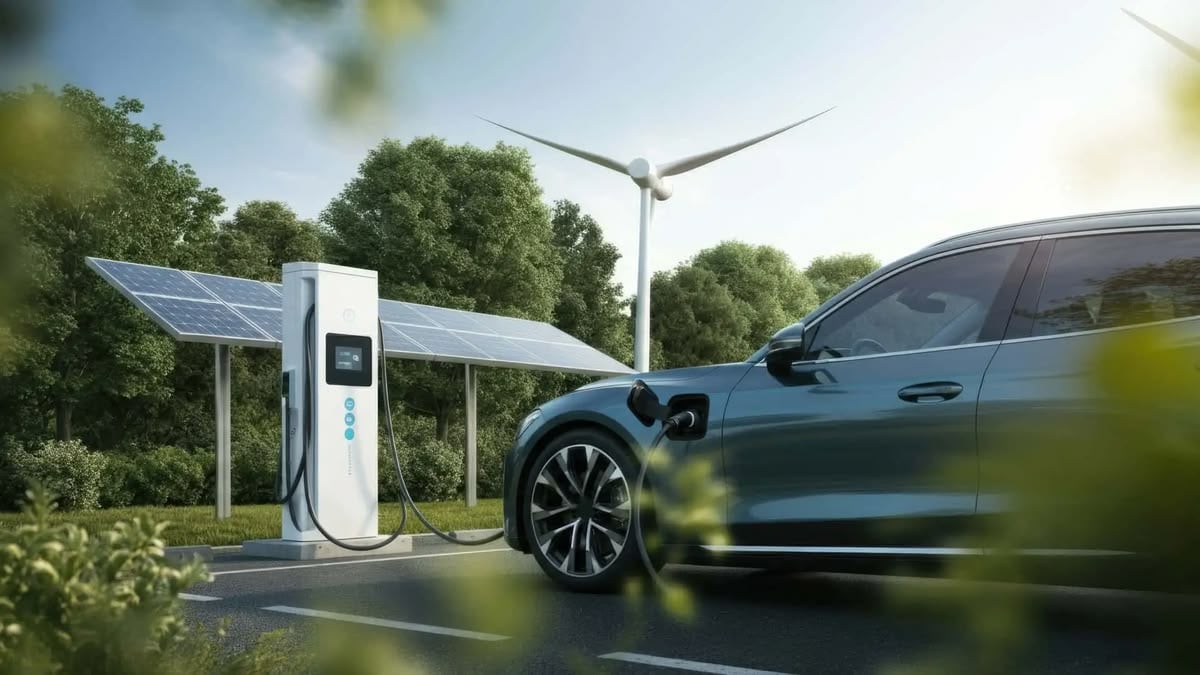
Optimize Regenerative Braking: Set your regenerative braking to a lower level on wet roads. Strong, sudden automated braking can cause the tires to lose traction unexpectedly, whereas gradual manual braking offers safer, predictable control. (Representative Image: Pinterest)
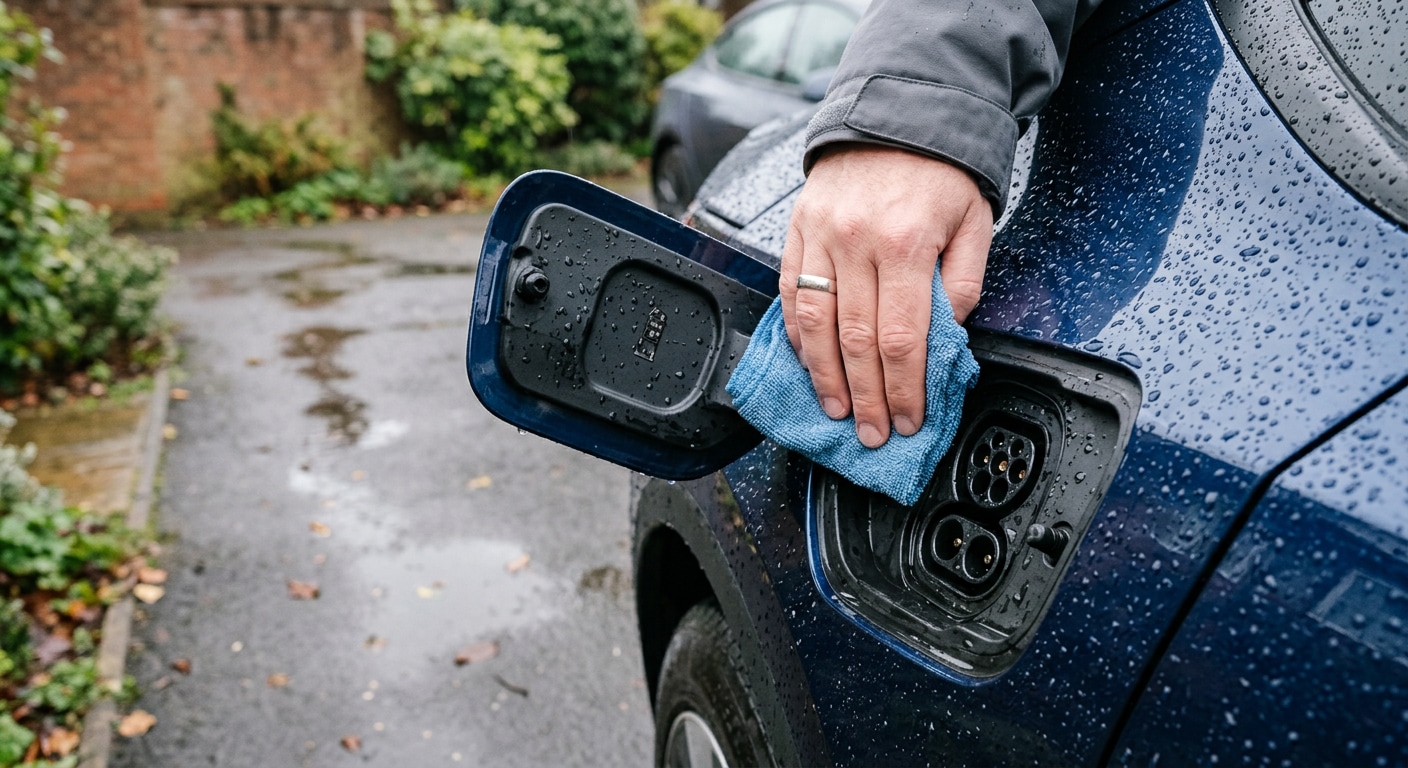
Dry a Wet Car First: If your EV has been parked in heavy rain, do not plug it in immediately. Wipe down the charging flap area with a clean microfibre cloth to prevent ambient water droplets from entering the charging socket. (Representative Image: AI-Generated)
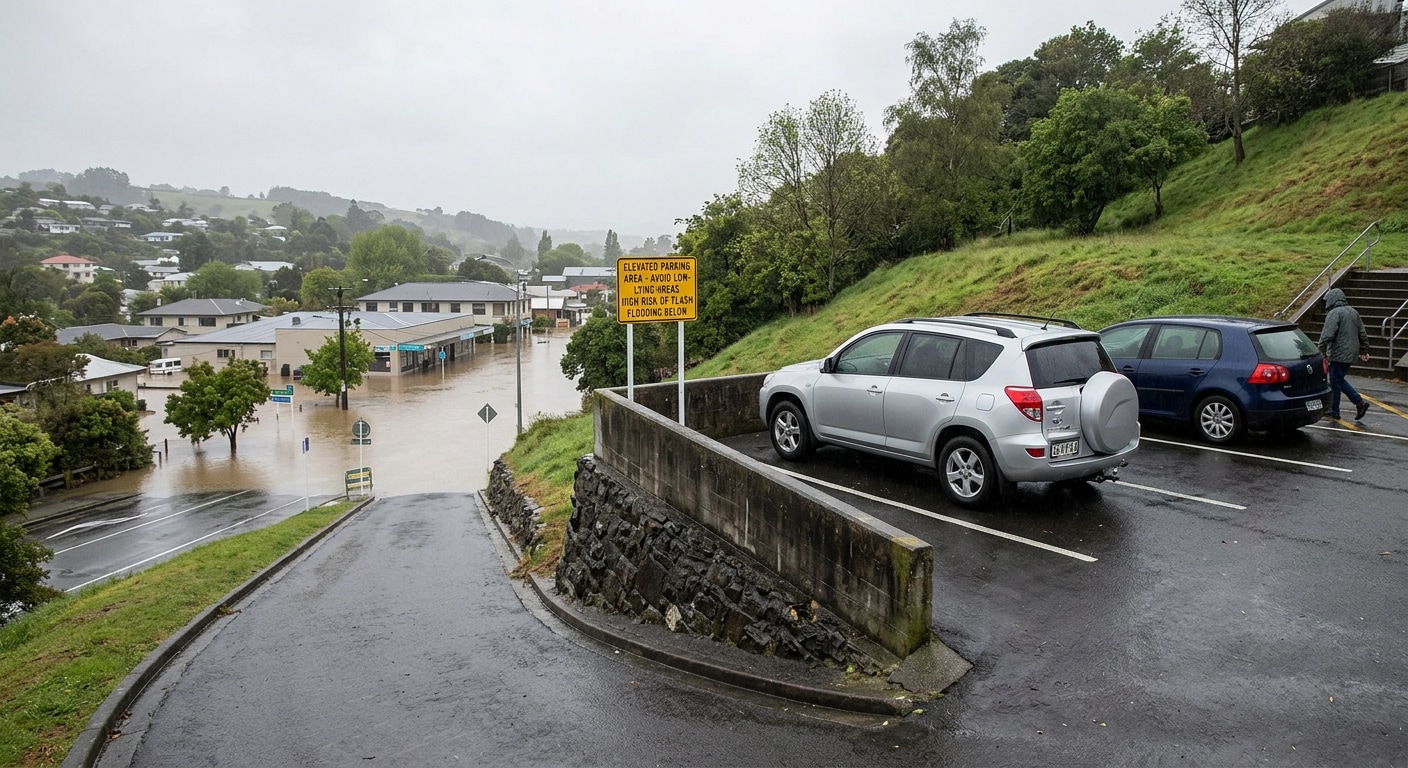
Park on Elevated Ground: Always park your vehicle on higher ground away from low-lying areas prone to flash floods or waterlogging. Regular basement parking should be avoided if the area has a history of flooding. (Representative Image: AI-Generated)