


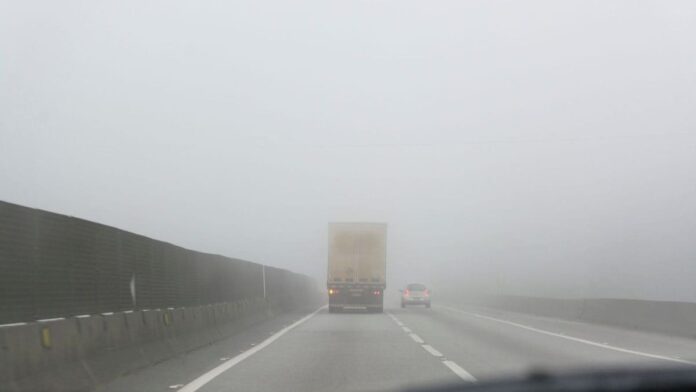

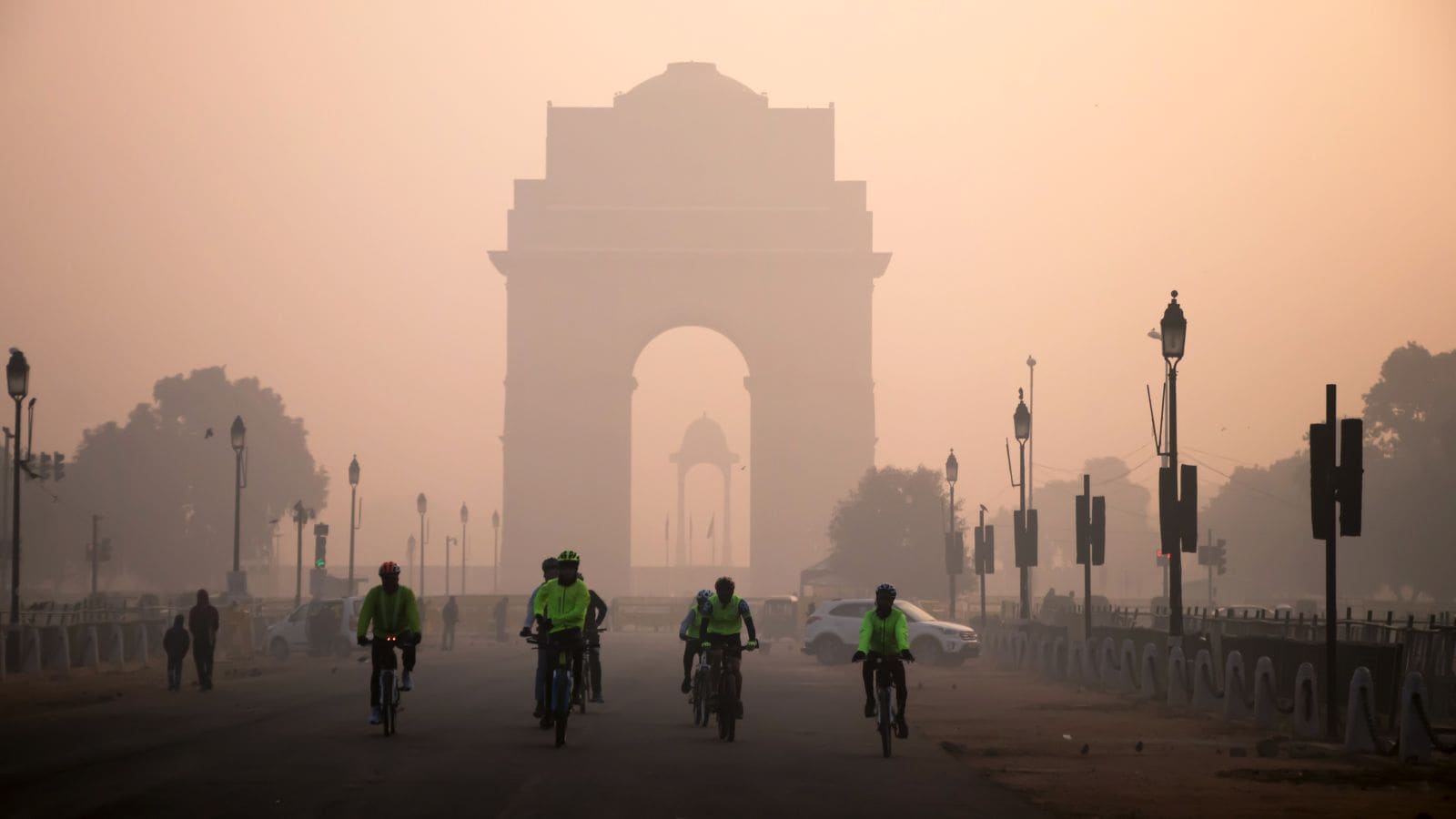
Delhi winters are here, and with them comes the season of dense fog. As temperatures drop, visibility across the National Capital Region plummets, making driving a serious challenge. From poor depth perception to hidden hazards, motorists face multiple risks on fog‑covered roads. To help you navigate safely, here are essential precautions and smart practices to follow. (Image: Canva)
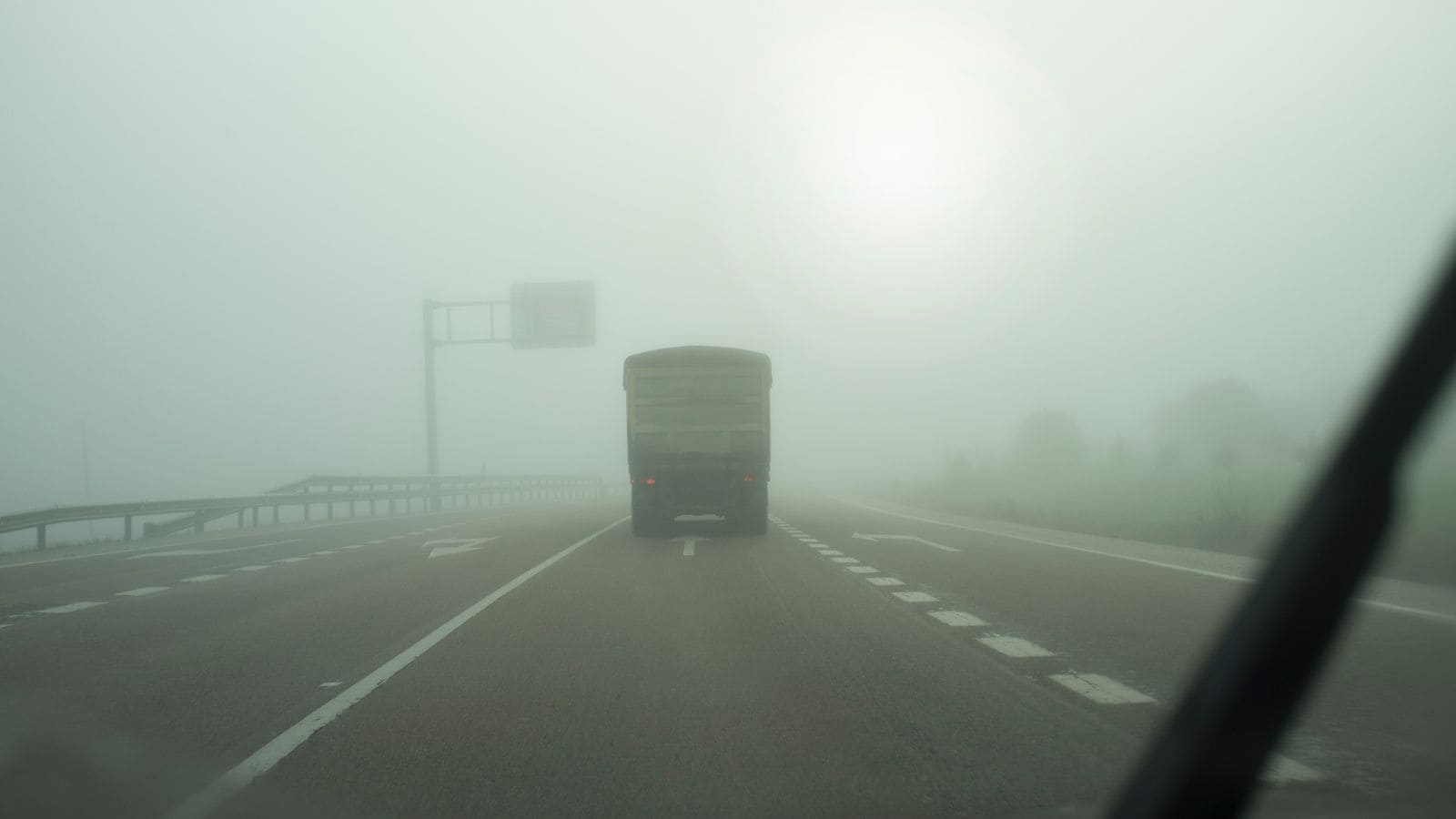
Slow Down and Stay Calm: Fog reduces visibility drastically, so easing off the accelerator is crucial. Driving slowly gives you more time to react to sudden obstacles, vehicles, or pedestrians. Patience is key; rushing in foggy conditions can be dangerous. (Image: Canva)
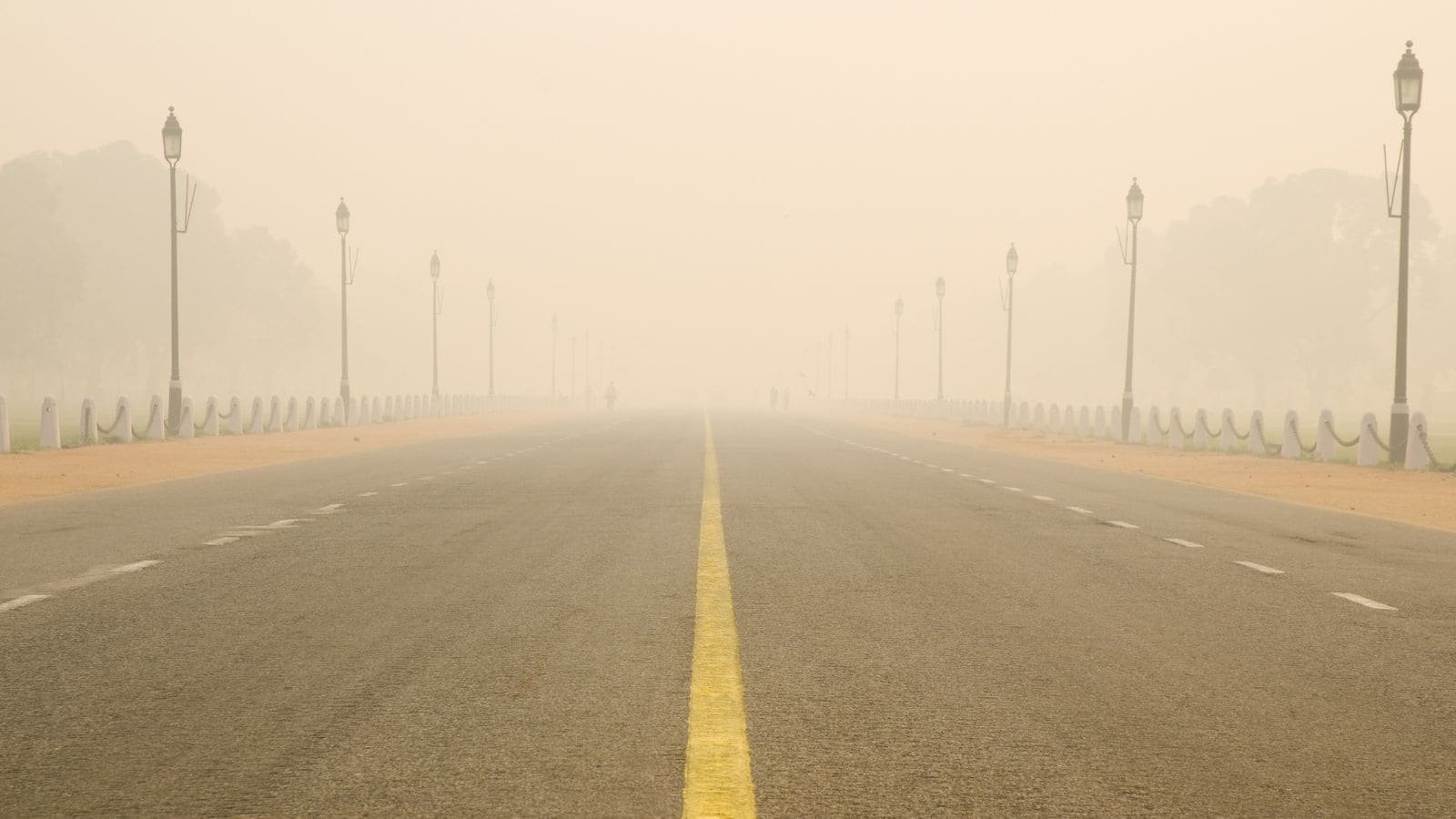
Follow Road Markings, Not Vehicles: Rely on lane markings such as white or yellow lines to guide you. Tailgating another vehicle for navigation is risky, as sudden braking or swerving can lead to accidents. (Image: Canva)

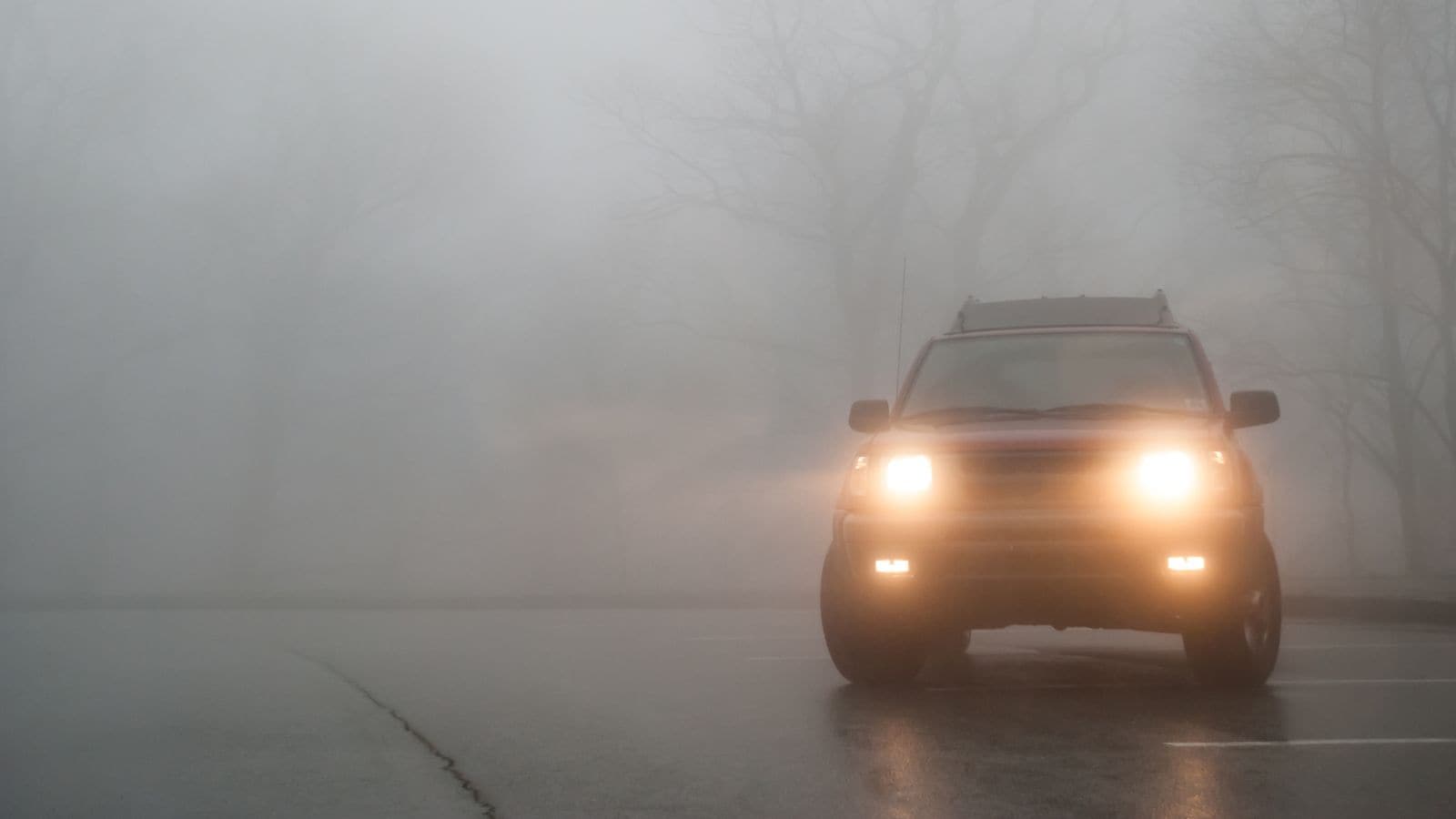
Use Low Beams and Fog Lights: High beams scatter light in fog, worsening visibility and creating glare. Instead, switch to low beams or fog lights, which cut through the mist more effectively. (Image: Canva)
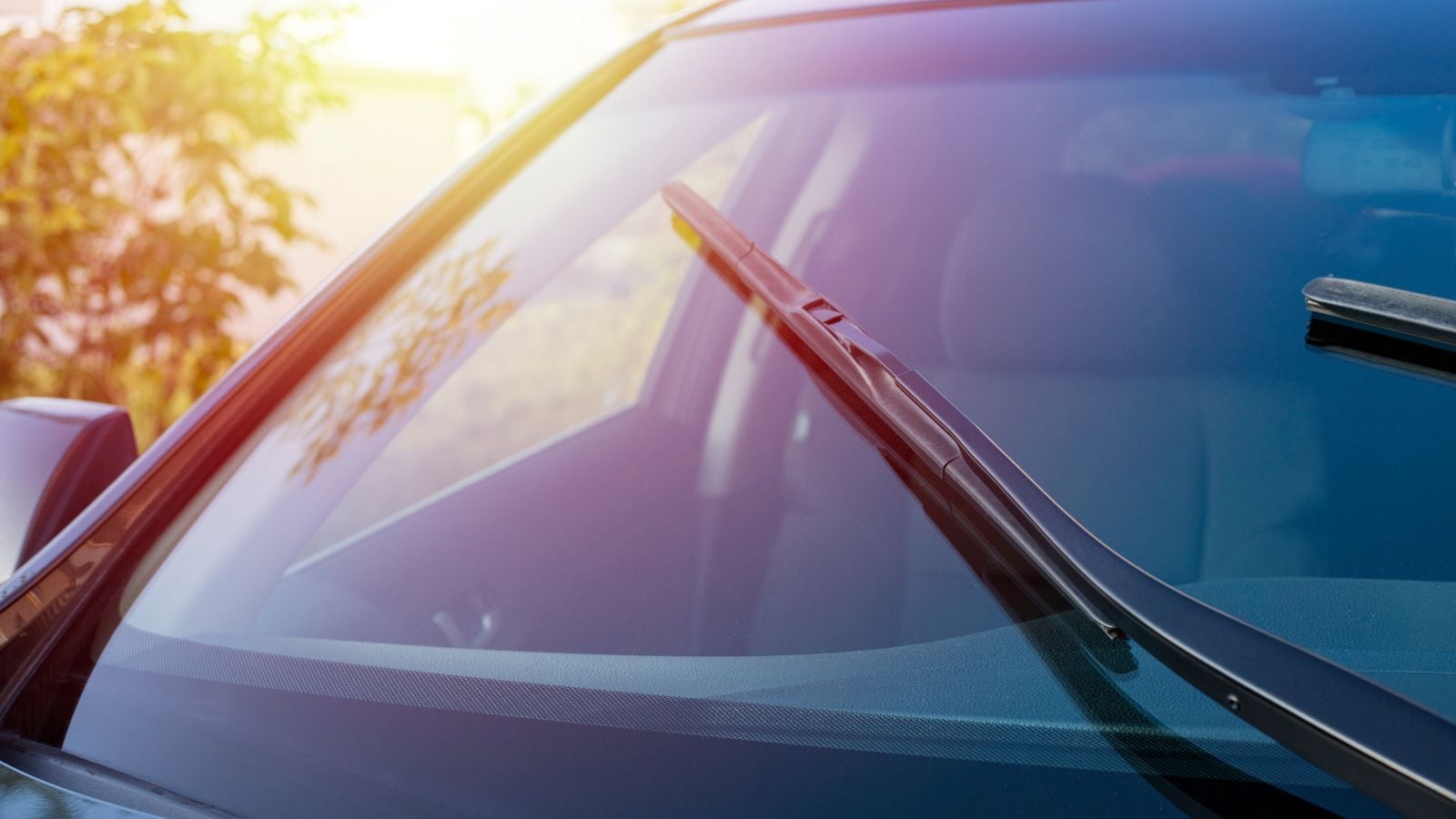
Keep Windows Clear: Moisture often builds up on windshields in winter. Use wipers to clear external condensation and a defogger to prevent internal misting. Clean mirrors regularly to ensure maximum visibility. (Image: Canva)
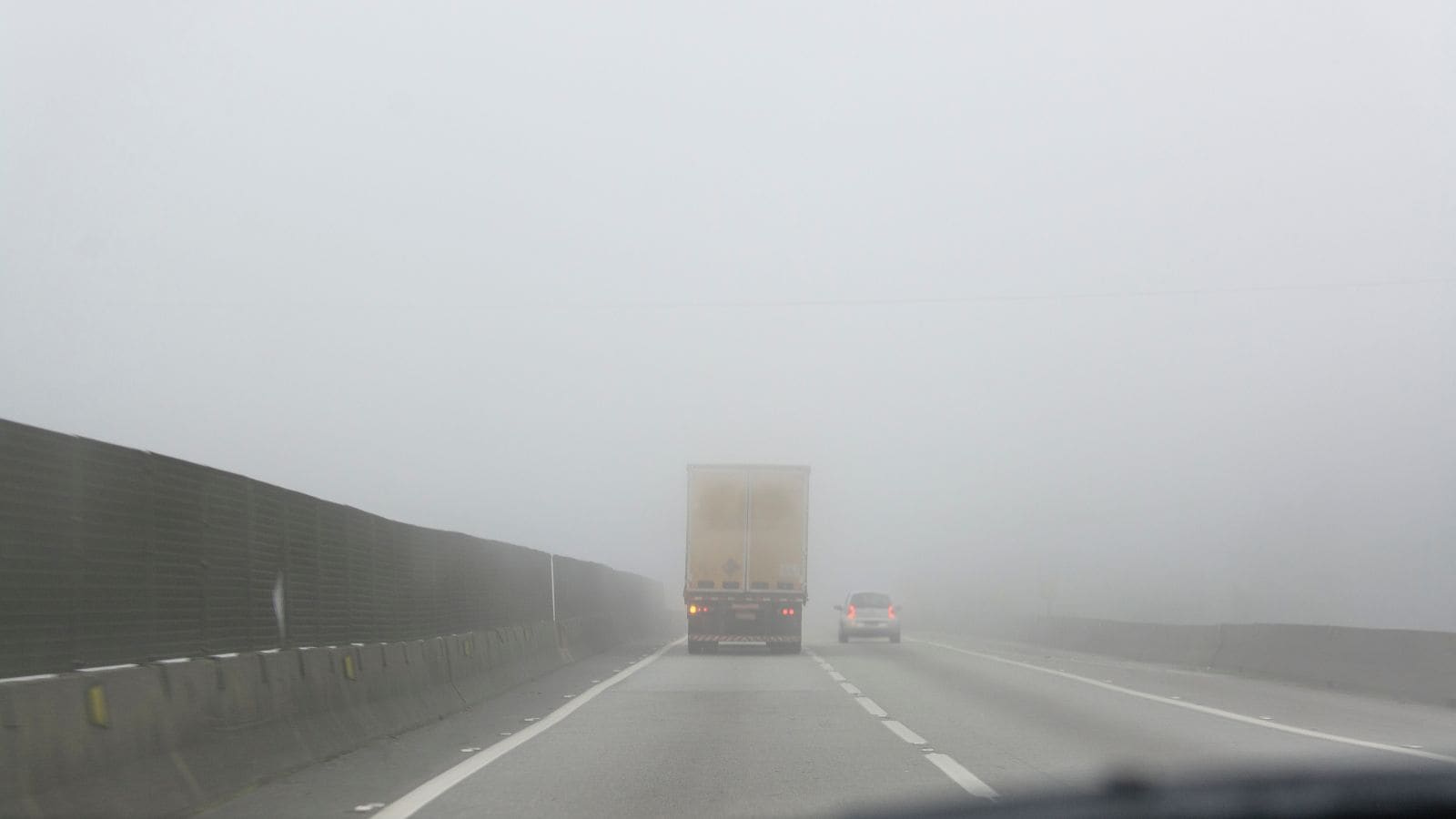
Avoid Overtaking: Judging distance in fog is difficult. Overtaking should be avoided unless absolutely necessary, and only at a safe speed with clear visibility ahead. (Image: Canva)
Make Smooth Movements: Sharp turns, sudden braking, or abrupt lane changes can confuse other drivers in low visibility. Always signal well in advance and maintain steady control of your vehicle. (Image: Canva)
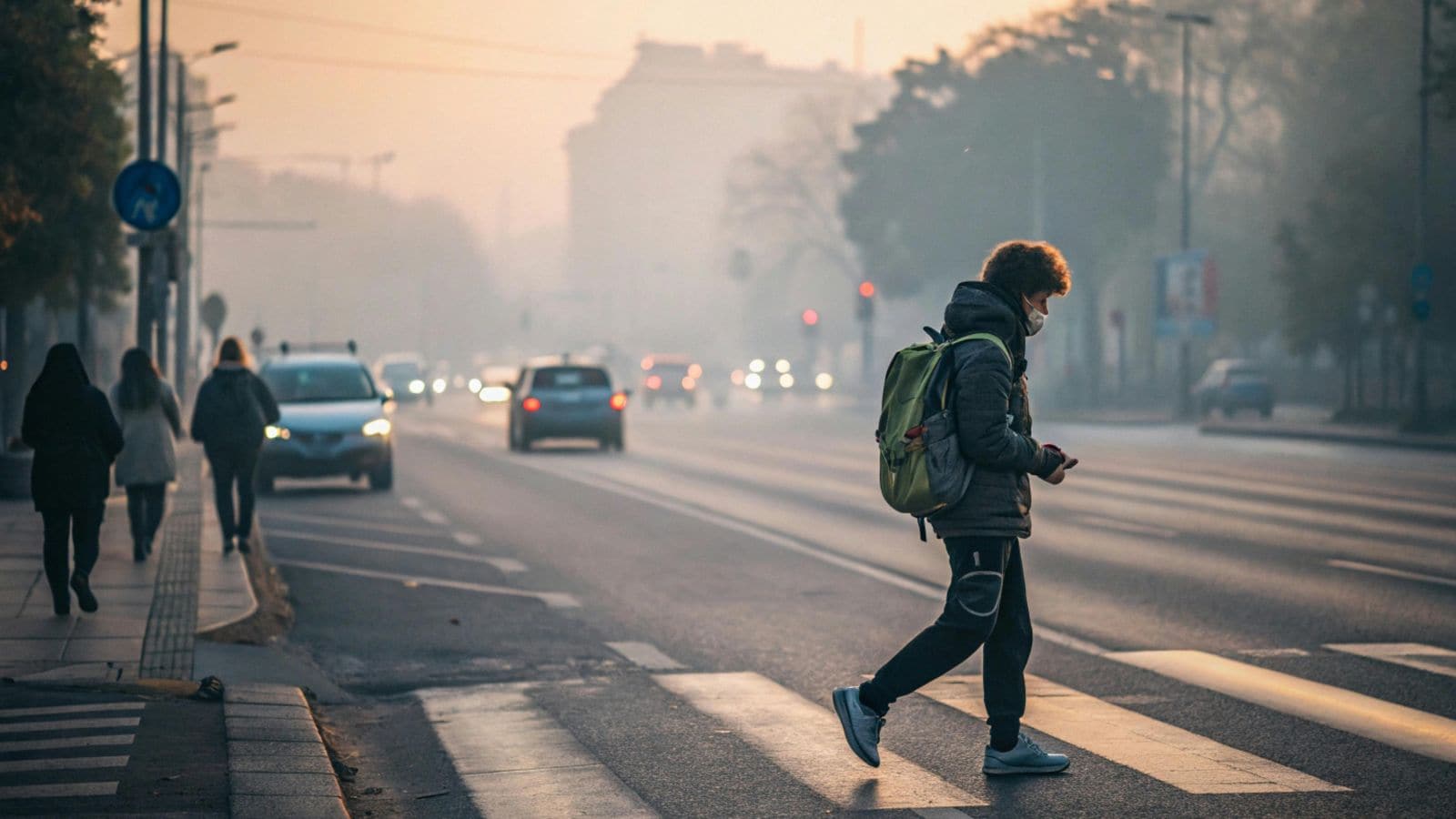
Watch Out for Pedestrians and Cyclists: Vehicles with lights are easier to spot, but pedestrians and cyclists often blend into the fog. Stay alert, especially near crossings, bus stops, and residential areas. (Image: Canva)
Additional Safety Measures
– Maintain Safe Distance: Keep extra space between your car and the one ahead to allow more reaction time.
– Use Hazard Lights When Necessary: If visibility is extremely poor, hazard lights can alert others to your presence.
– Stay Updated on Weather Reports: Check fog alerts before heading out. If conditions are severe, delay travel if possible.
– Carry Emergency Supplies: A flashlight, reflective jacket, and first‑aid kit can be lifesavers in case of breakdowns.
– Stay Connected: Inform family or friends about your route and expected arrival time when driving in extreme fog. (Image: Canva)