



Last Updated:
The long drive to Dharamsala may soon get a lot shorter, with new highways, tunnels and bridges expected to slash travel time by nearly half




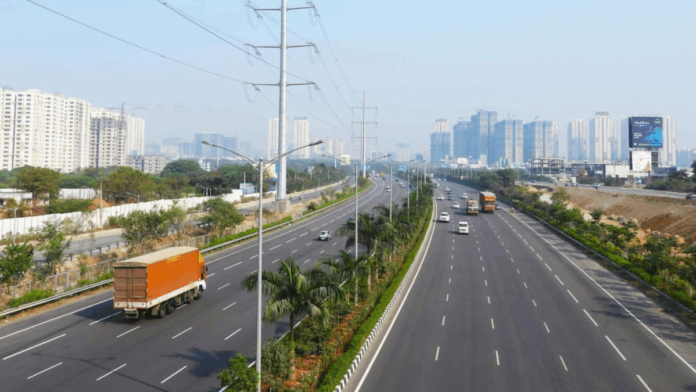
The completion of the four-laning projects across Kangra is expected to improve connectivity not only for tourists but also for local residents and businesses that rely on road transport. (Representative Image)
Road connectivity between Delhi-NCR and Himachal Pradesh’s popular hill destination of Dharamsala is poised for a significant upgrade, with several key highway projects in the Kangra region nearing completion. The improvements are expected to reduce the current road travel time of around nine to 11 hours to nearly six hours by September.
The infrastructure push is aimed at easing traffic movement, reducing congestion and improving access to one of north India’s leading tourist and sports destinations.
NH-503 Four-Laning At The Centre Of The Plan
According to a report by The Tribune, s major contributor to the expected reduction in travel time is the ongoing four-laning of National Highway-503 (NH-503). The approximately 99-km stretch, which falls under the National Highways Authority of India (NHAI), is being upgraded to strengthen connectivity between Mehatpur, Una, Amb and Ranital.
The project seeks to address several long-standing engineering challenges, including sharp bends and other geometric deficiencies that have traditionally slowed traffic and increased travel times.
The upgraded highway is expected to improve road safety while enabling smoother and faster movement of vehicles through the region.
Bridges And Tunnels To Bypass Congested Routes
Another key component of the infrastructure overhaul is the new Dharamsala-Dehra four-lane alignment. The project includes the Riyund Bridge and twin tunnels near Tarsuh village, which are designed to help motorists avoid heavily congested stretches and difficult hill terrain.
Once operational, travellers will be able to bypass crowded locations such as Kangra bazaar, as well as the winding routes through Purana Kangra and Daulatpur, reducing bottlenecks along the journey.
The impact is expected to extend beyond the Delhi-Dharamsala route. According to the report, the road journey between Palampur and Chandigarh could be reduced from nearly six hours to around three-and-a-half hours.
Tourism Industry Set To Benefit
The improved road network is expected to provide a further boost to tourism in the region, which has experienced a steady increase in visitor numbers in recent years. Dharamsala has emerged as a major tourism and sporting hub, with the Himachal Pradesh Cricket Association (HPCA) Stadium attracting large crowds for domestic and international cricket fixtures.
The 2026 Indian Premier League (IPL) season led to a substantial rise in tourist arrivals, with hotel bookings increasing six-fold and generating significant business for the hospitality sector, taxi operators and local handicraft traders across Dharamsala, McLeodganj and Palampur.
Former Union Minister Anurag Singh Thakur said the IPL had contributed significantly to the local economy and helped establish sports tourism as an important growth driver for the wider Kangra region.
Balancing Growth With Sustainability
While better connectivity is expected to sustain the region’s tourism momentum, authorities are also preparing for the challenges associated with a larger influx of visitors.
Measures have already been introduced to protect environmentally sensitive areas from the impact of growing tourist numbers. Popular destinations such as Triund are seeing efforts to regulate visitor flow and strengthen waste management systems in a bid to preserve the fragile Himalayan ecosystem.
Infrastructure Push To Reshape Regional Connectivity
The completion of the four-laning projects across Kangra is expected to improve connectivity not only for tourists but also for local residents and businesses that rely on road transport.
If completed on schedule, the highway upgrades could substantially reduce travel times across the region, strengthen Dharamsala’s position as a tourism and sports destination and support economic activity across neighbouring towns and hill communities. At the same time, authorities will be tasked with balancing the benefits of improved accessibility with the need for sustainable tourism and environmental conservation.
Himachal Pradesh, India, India
Read More