


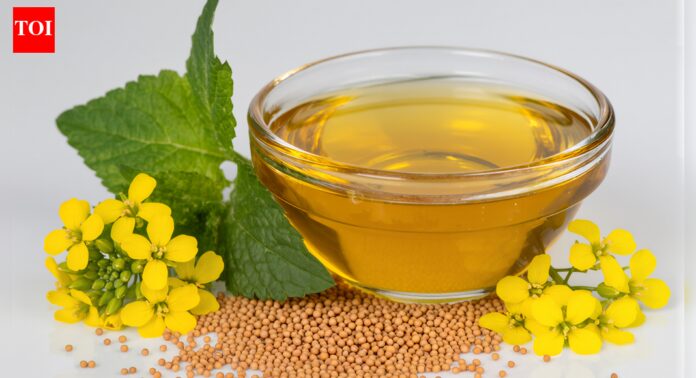

Winter mornings often greet us with stiff knees-and achy joints that turn simple steps into a slow dance. Many reach for mustard oil, that sharp-scented kitchen staple from Indian homes, warming it up for a soothing rub. Does this age-old trick really loosen things up, or is it just feel-good folklore? Let’s break it down , blending grandma’s wisdom and what studies reveal.
Q: How does applying mustard oil to arthritic joints provide relief?
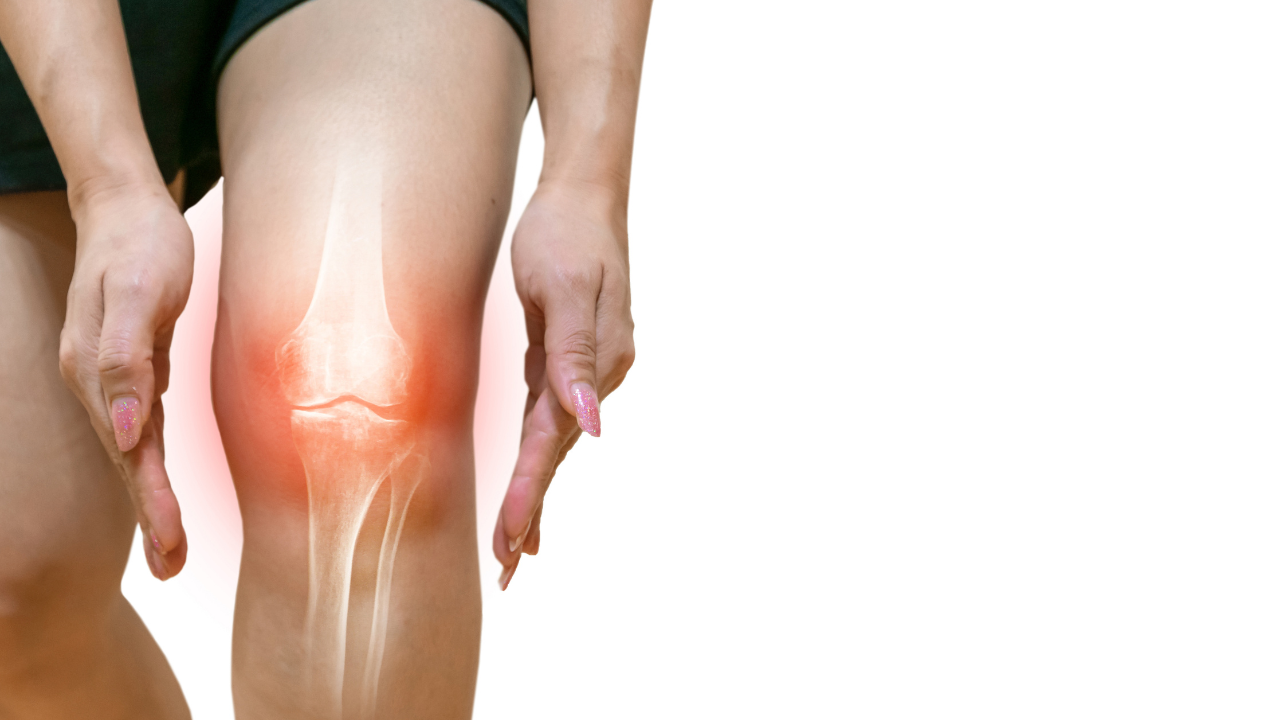
A: The pungent warmth of mustard oil comes alive the instant you touch your skin–as if a warm hug on your knees or elbows. The warmth of this oil has long been a remedy in Indian homes to drive away the stiffness of winters due to the natural ingredient allyl isothiocyanate, which helps increase the warmth of the skin by flowing more of your own blood. The oil’s fatty acids also soften dry skin, making every rub feel nourishing and kind.
Q: Does science show it really cuts the pain?
A: Small studies bring good news with a realistic touch. A 2014 trial by Remya Mohan– and Renuka K. had 60 women with knee osteoarthritis try warm mustard oil massages. Pain levels shifted from moderate to mild, measured by WOMAC scales–and adding camphor made it even better. Another 2021 study on 70 patients found mustard-garlic rubs dropped pain scores significantly more than standard care (3.51 versus 4.34, p=0.038). A 2019 elderly group saw relief after two weeks of daily use. These pilots show promise for mild aches, though bigger trials would seal the deal.
Q: How do you give those joints a proper massage at home?
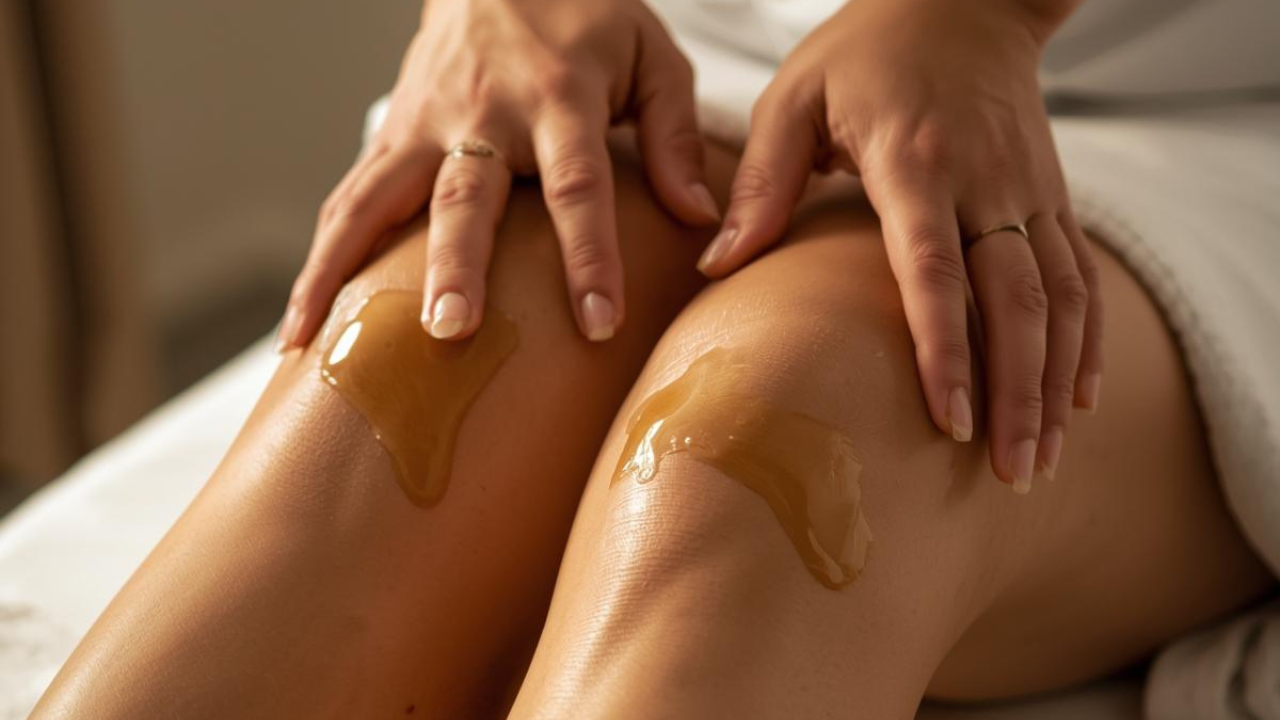
A: Keep it simple and soothing like a warm evening ritual. Warm 2 tablespoons of cold-pressed mustard oil on low heat until toasty, not scalding. Mix in crushed garlic or a camphor pinch for that extra zing. Sit back, apply to clean joints–and massage with gentle circular strokes upward for 10-15 minutes, twice a day. Wrap in a warm towel for 20 minutes to let the heat sink in, then rinse if needed. Morning rituals before tea or nighttime wind-downs work wonders.
Q: Are there any catches or times to skip the rub?
A: It’s gentle for most, but sensitive skin can redden from the pungency, so always patch-test first.Avoid open cuts, infections, or swollen rheumatoid joints where heat could stir trouble. Consult with a doctor if pain sticks around or ties to bigger issues.