


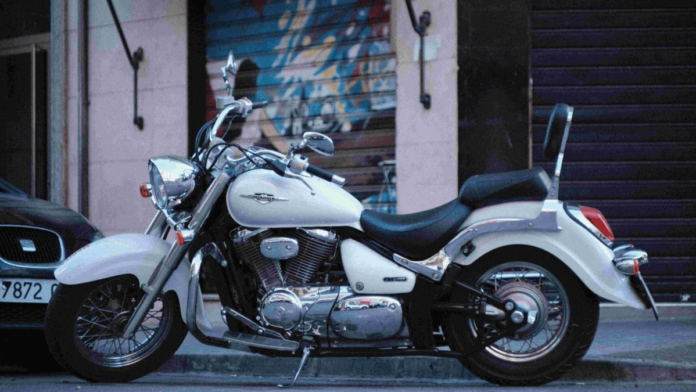


While many believe the elevated rear seat on a motorcycle is purely a stylistic choice, automobile manufacturers actually design it this way for a critical reason – passenger safety. The design also plays a key role in improving the bike’s performance. (Image: Pexels)
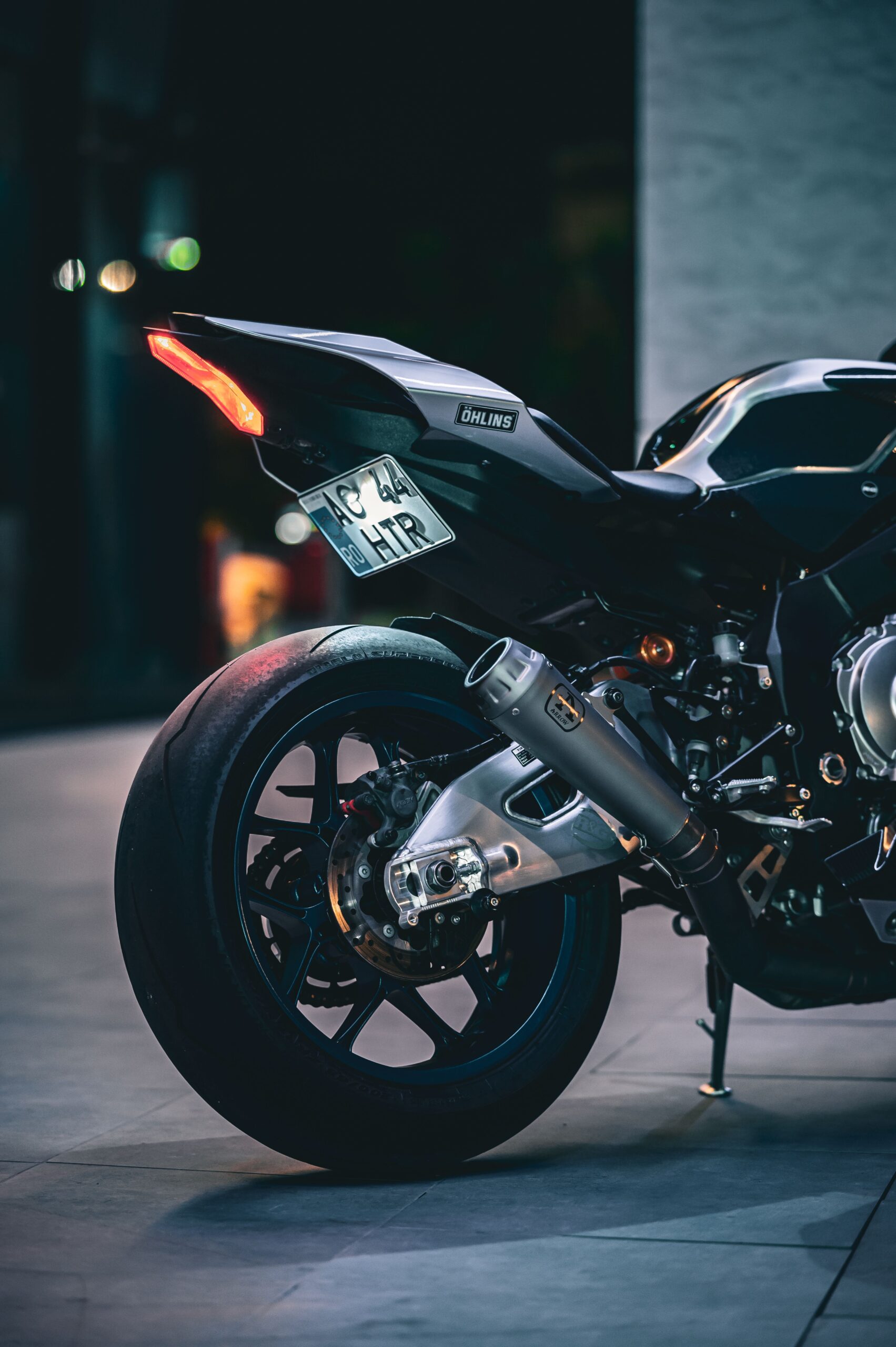
This elevated configuration is primarily engineered to balance weight distribution between the front and rear wheels. By raising the passenger’s positioning, the bike’s center of gravity is optimized, significantly reducing the risk of skidding or losing control—even at high speeds. (Image: Pexels)
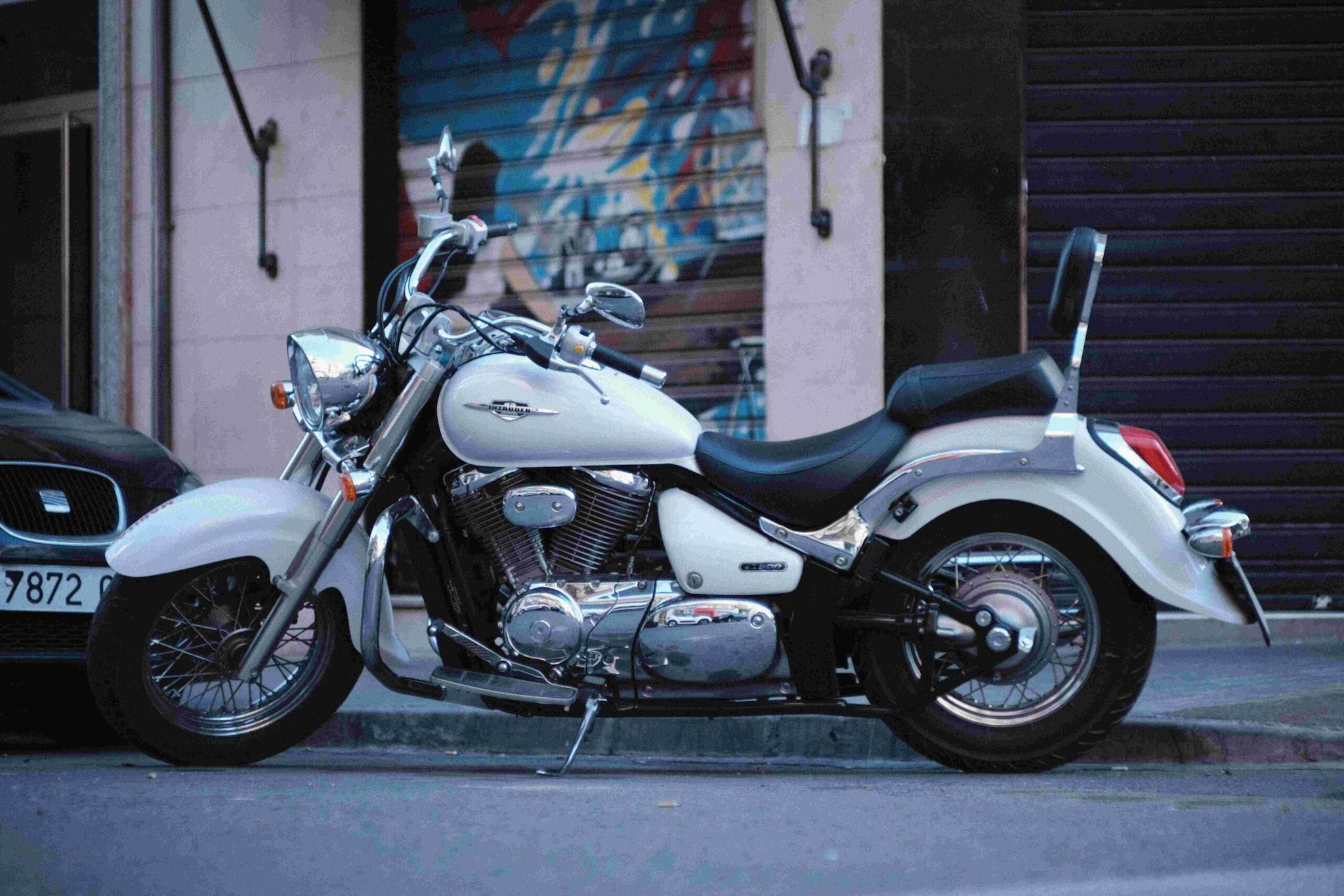
Furthermore, this design dramatically improves passenger visibility. Unlike standard flat seats that block the co-rider’s view, a raised seat provides a clear line of sight to the road ahead, allowing for a much safer, more responsive, and comfortable journey. (Image: Pexels)

An elevated rear seat also plays a critical role in preventing accidents. On standard flat-seat motorcycles, there is a constant danger of a passenger’s legs, loose clothing, pants, or saree fringes getting caught in the rear wheel, leading to severe falls. The raised design creates a safer clearance distance, drastically reducing this risk. (Image: Pexels)
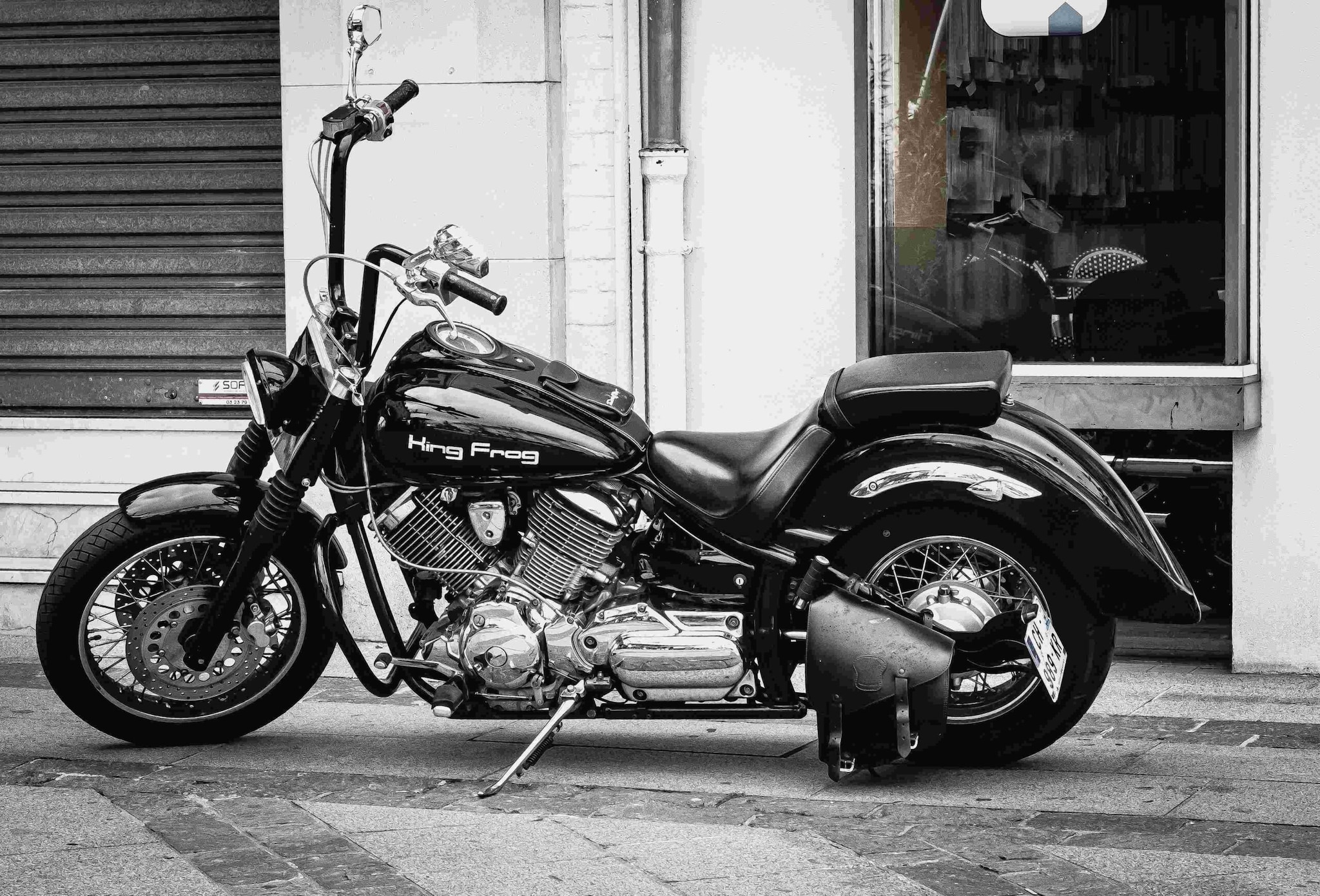
Notably, sitting higher naturally causes the passenger to lean forward. This optimizes the motorcycle’s aerodynamics by cutting down on wind resistance, allowing the rider to handle high-speed highway cruising with effortless control and stability. (Image: Pexels)
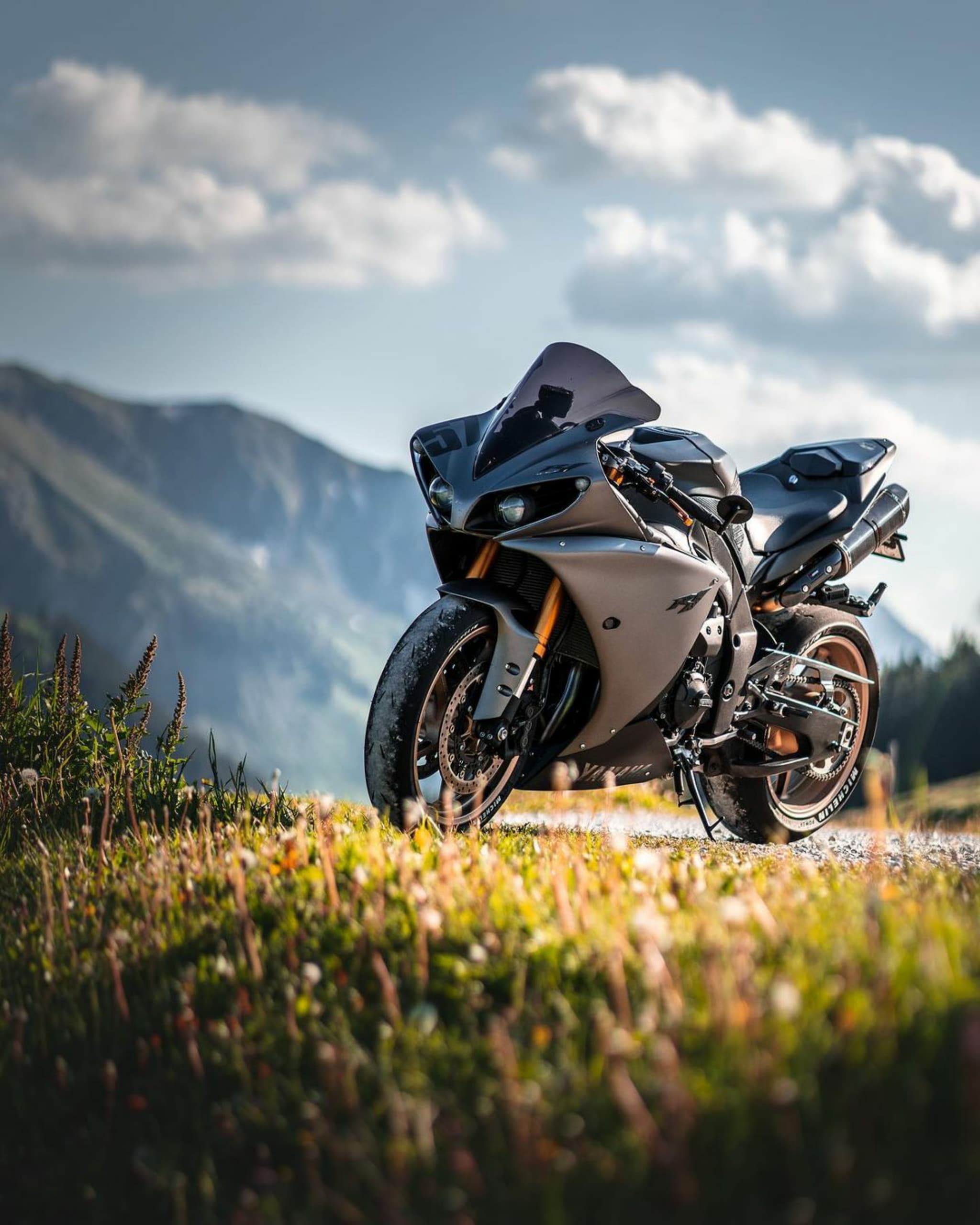
The elevated design provides the necessary clearance for a heavy-duty rear suspension system to operate at maximum efficiency. When navigating rough roads, deep potholes, or speed bumps, the extended suspension travel absorbs severe impacts before they reach the passenger. By shielding the co-rider from harsh, spine-jarring jolts, this setup ensures a remarkably smooth ride and significantly reduces the risk of lower back pain during long journeys. (Image: Pexels)