


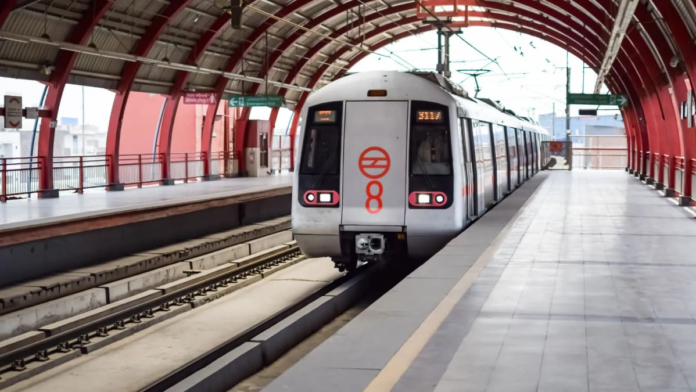

In a significant boost to urban mobility, the Union Cabinet chaired by Prime Minister Narendra Modi has approved the construction of three new Delhi Metro corridors, a move expected to benefit nearly 2 lakh daily commuters, including more than 60,000 government employees. The ambitious expansion, pegged at an estimated cost of around Rs 12,000 crore, will add fresh momentum to the capital’s already vast rapid transit network. (News18 Hindi)
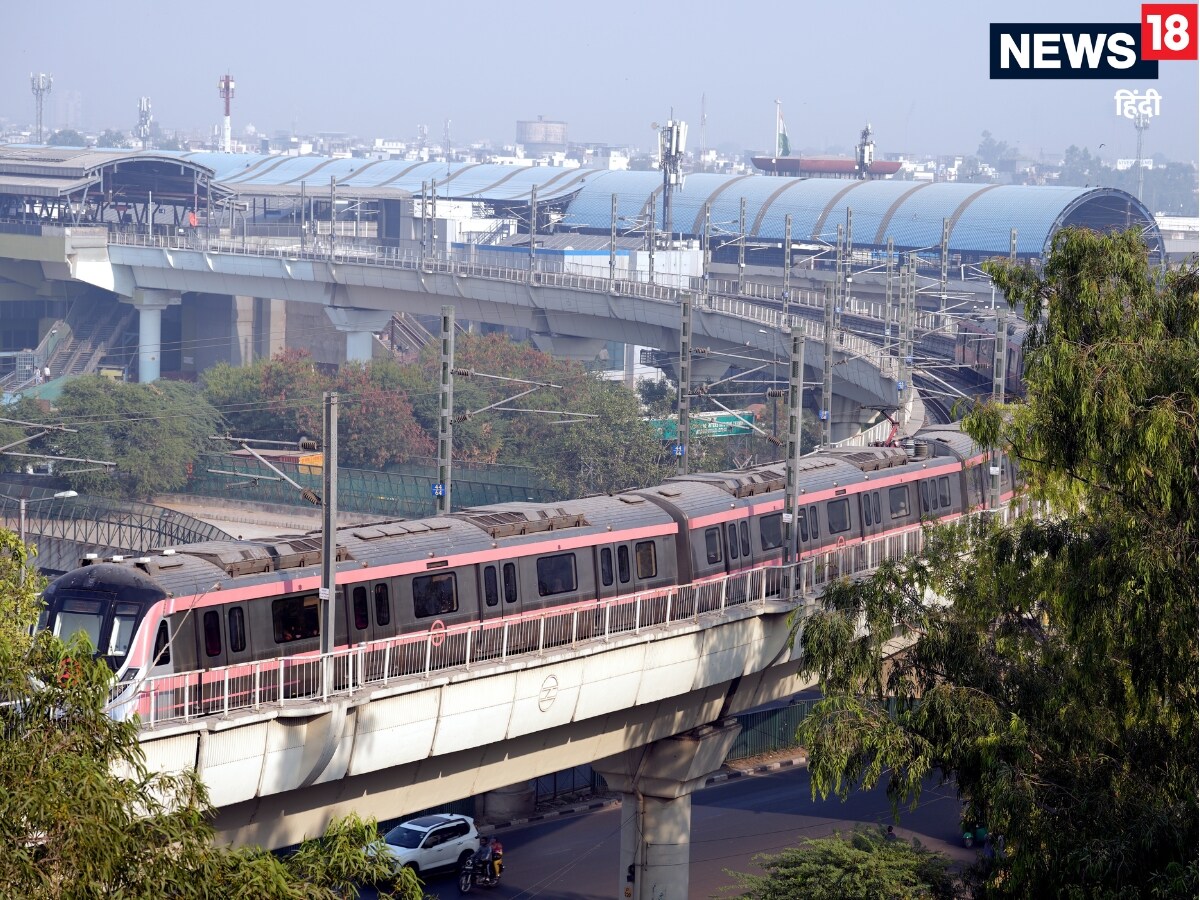
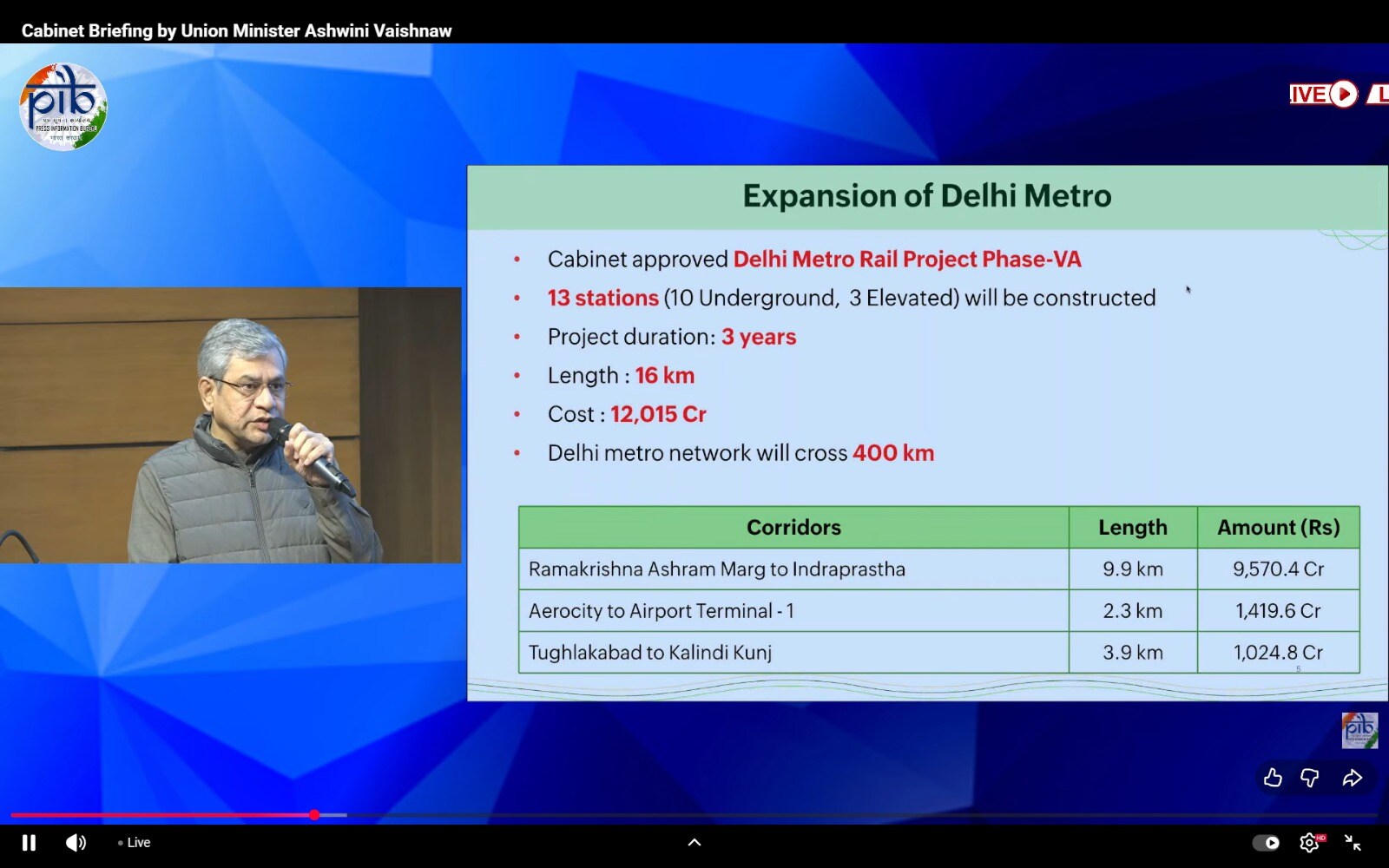
The approval, granted at the Cabinet meeting held on Wednesday, clears the way for Phase 5(A) of the Delhi Metro project. Under this phase, about 16 kilometres of new metro lines will be laid, along with the construction of 13 stations. Of these, ten will be underground while three will be elevated, reflecting the engineering complexity of building through some of the city’s most congested zones. (News18 Hindi)
With the completion of these corridors, the total length of the Delhi Metro network is set to cross the 400-kilometre mark. At present, the system carries roughly 65 lakh passengers every day, making it one of the busiest urban rail networks in the world. (News18 Hindi)
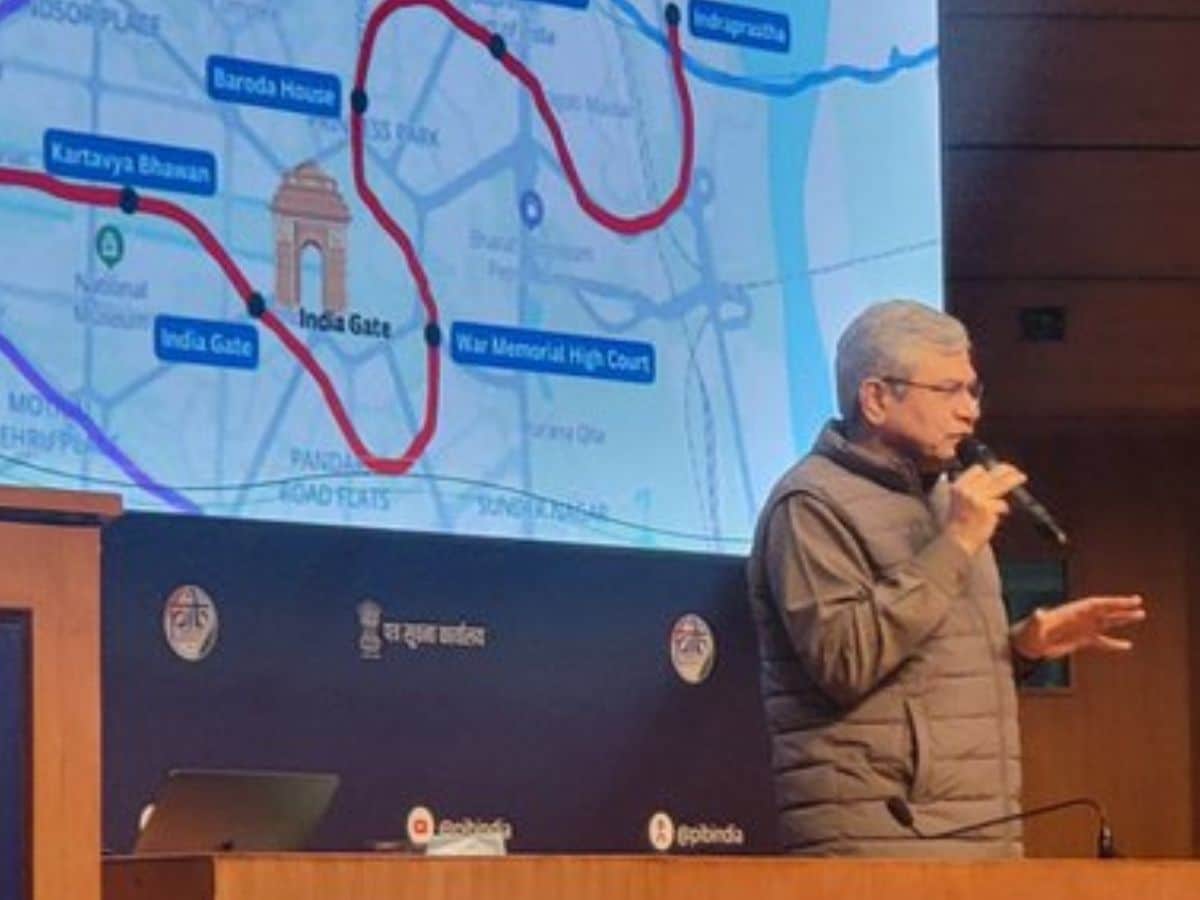
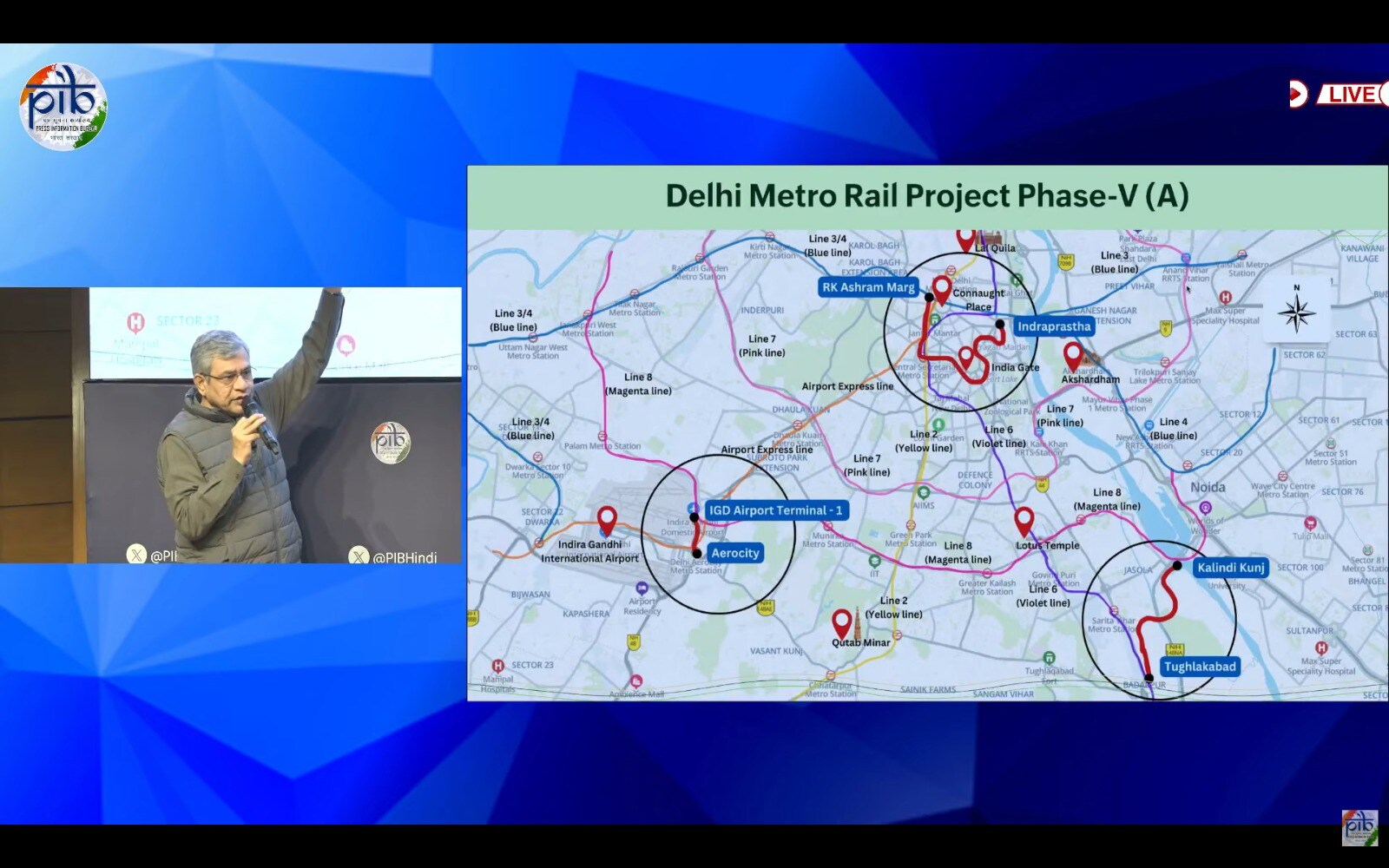
The three corridors approved under Phase 5(A) will connect Aerocity with Indira Gandhi International (IGI) Airport’s Terminal 1, link Kalindi Kunj with Tughlakabad, and create a crucial government district corridor around Kartavya Bhawan and Parliament House. Together, these stretches are designed to plug long-standing gaps in connectivity, particularly for airport users and commuters navigating south and central Delhi. (News18 Hindi)
Union Railway and Information Technology Minister Ashwini Vaishnav said the new phase of construction is targeted for completion within three years. He underlined that the expansion is aimed at extending metro services to every corner of the capital, easing pressure on roads that are choked daily by private vehicles and buses. (News18 Hindi)
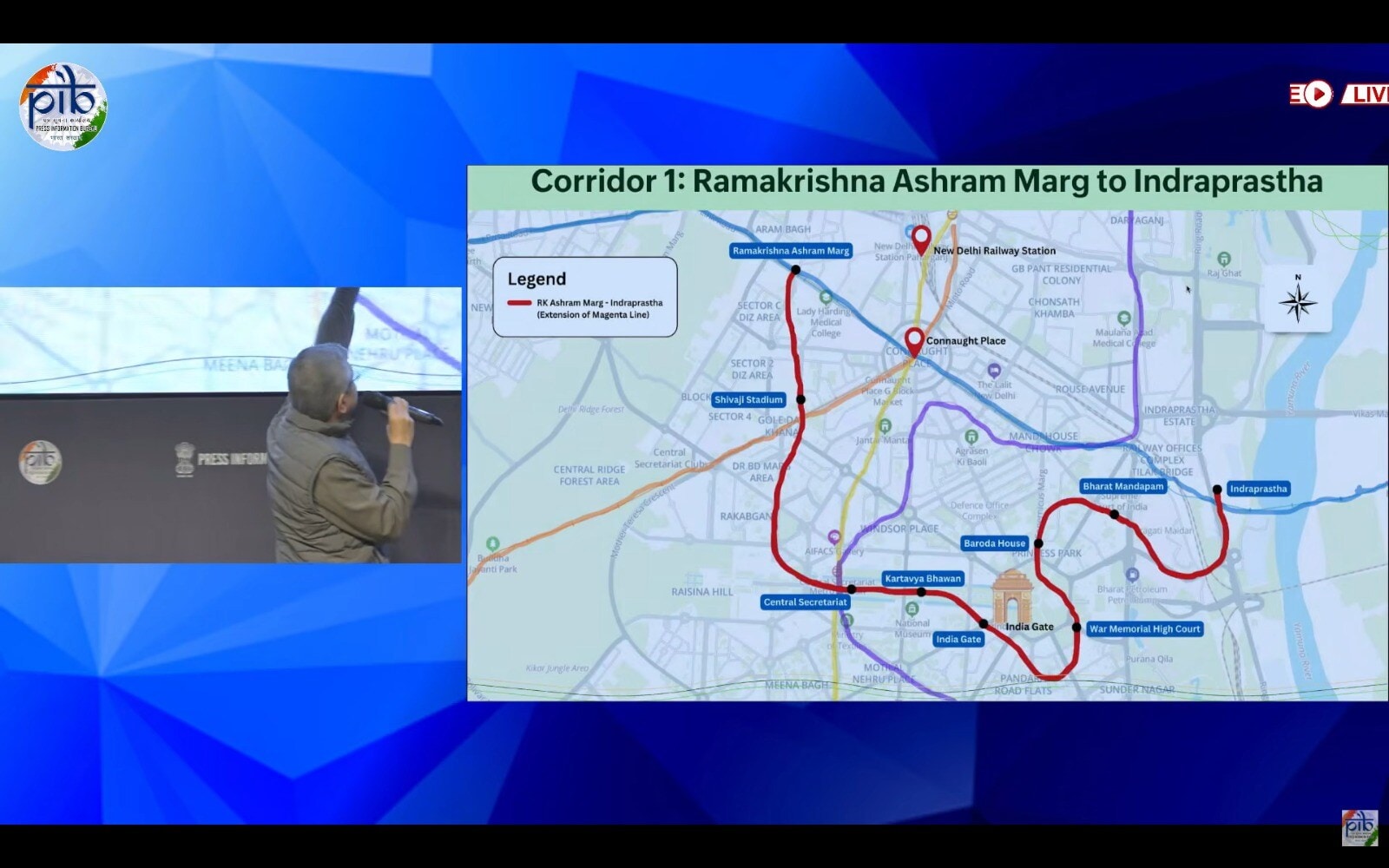
Among the three, the longest and costliest corridor will run between Ramakrishna Ashram Marg and Indraprastha. Stretching close to 9.9 kilometres, this section alone is estimated to cost about Rs 9,570 crore. Officials say it is expected to significantly decongest traffic around the Ring Road and the busy Nizamuddin Railway Station area, both notorious for daily bottlenecks. (News18 Hindi)
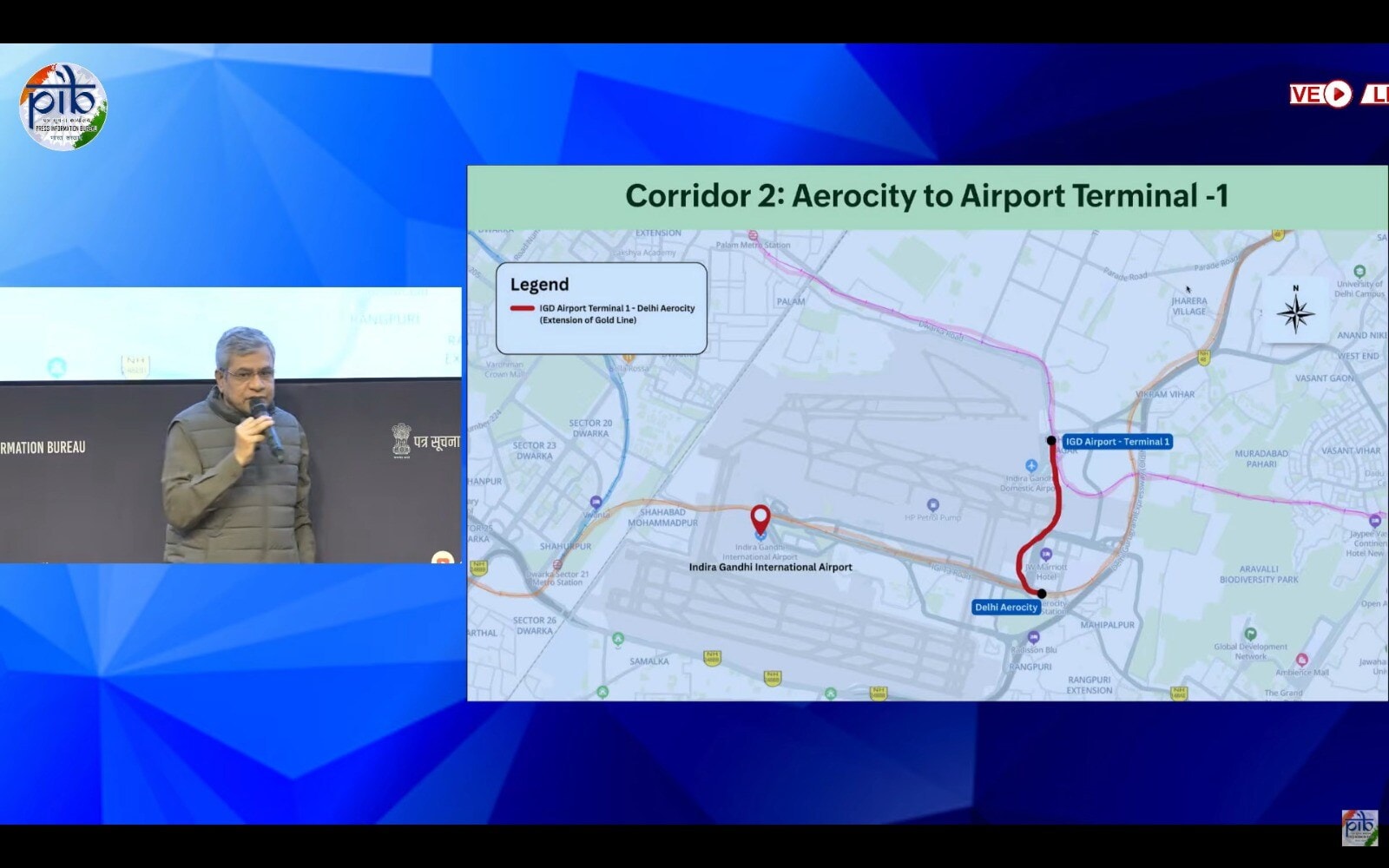
Another key link will be the 2.3-kilometre corridor between Aerocity and Terminal 1 of IGI Airport, built at a cost of approximately Rs 1,420 crore. This short but strategic stretch is expected to dramatically improve access to the airport, where road traffic during peak hours often results in long delays for flyers and airport staff alike. (News18 Hindi)
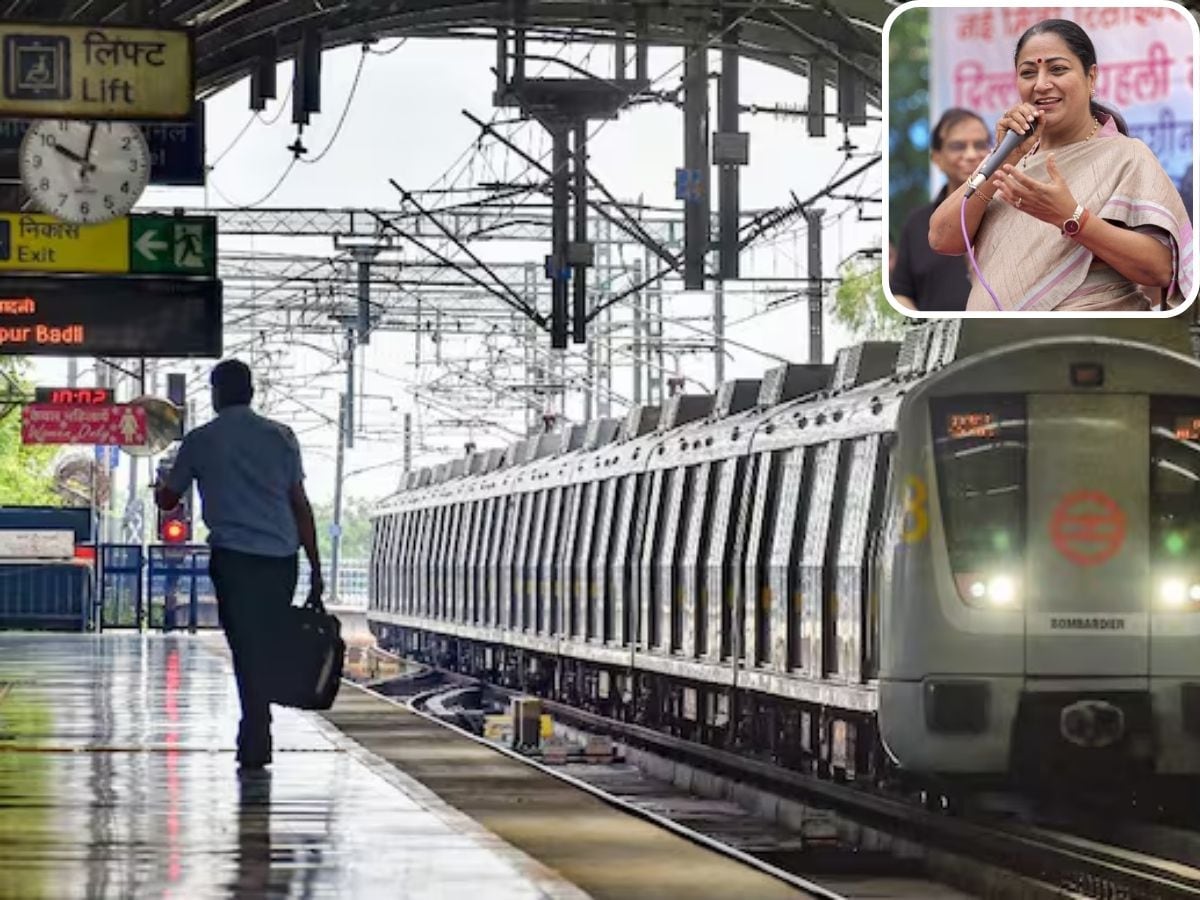
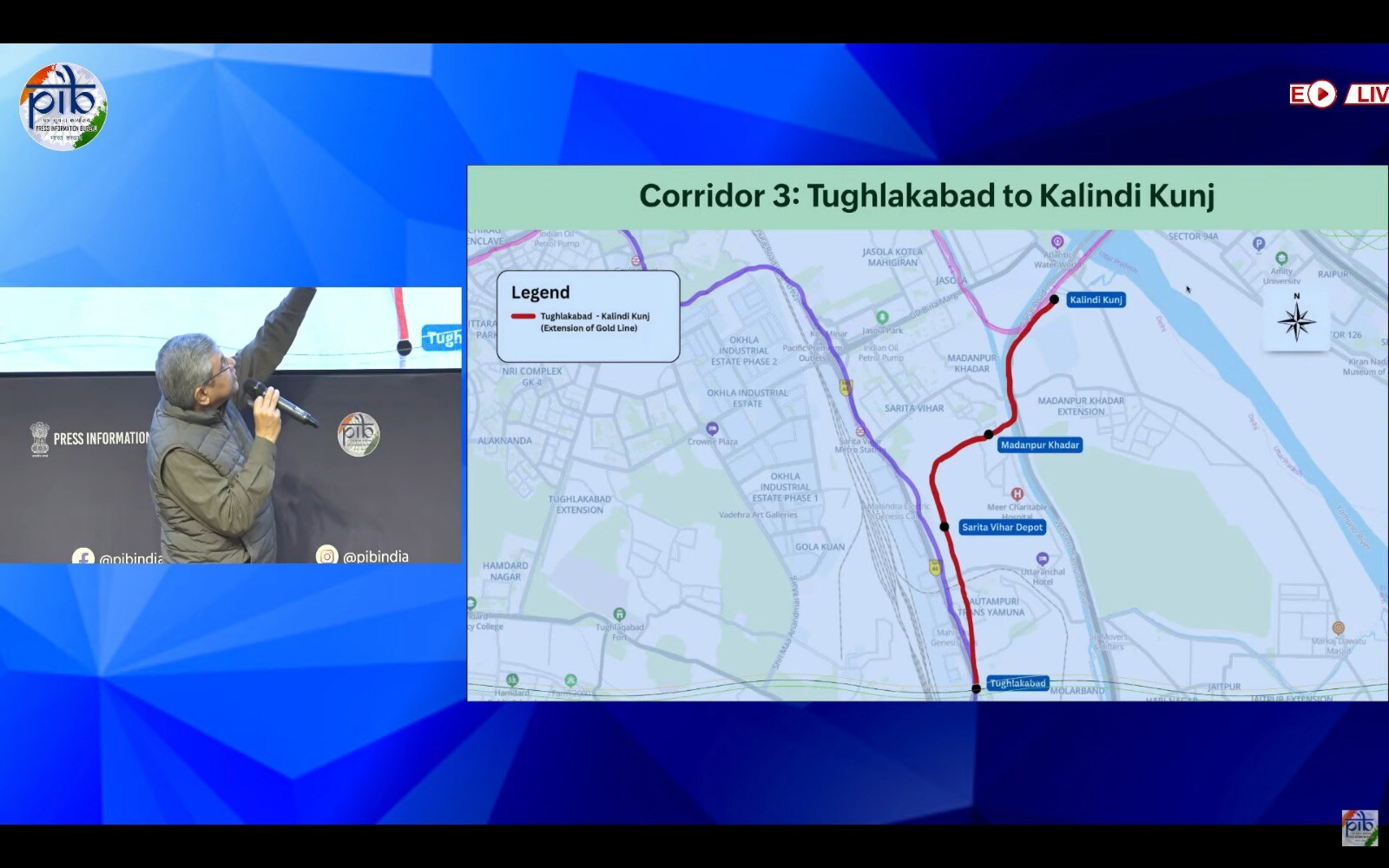
The third corridor, running 3.9 kilometres between Kalindi Kunj and Tughlakabad, will cost around Rs 1,025 crore. Apart from easing chronic traffic snarls near Kalindi Kunj, the route is expected to open up a smoother transit option between Delhi and Noida, benefiting daily inter-city commuters. Beyond mobility, the government has highlighted the environmental dividend of the expansion. According to Minister Vaishnav, the three new corridors together could help cut carbon dioxide emissions in Delhi by an estimated 33,000 tonnes, reinforcing the metro’s role as a cleaner alternative to road transport. (News18 Hindi)
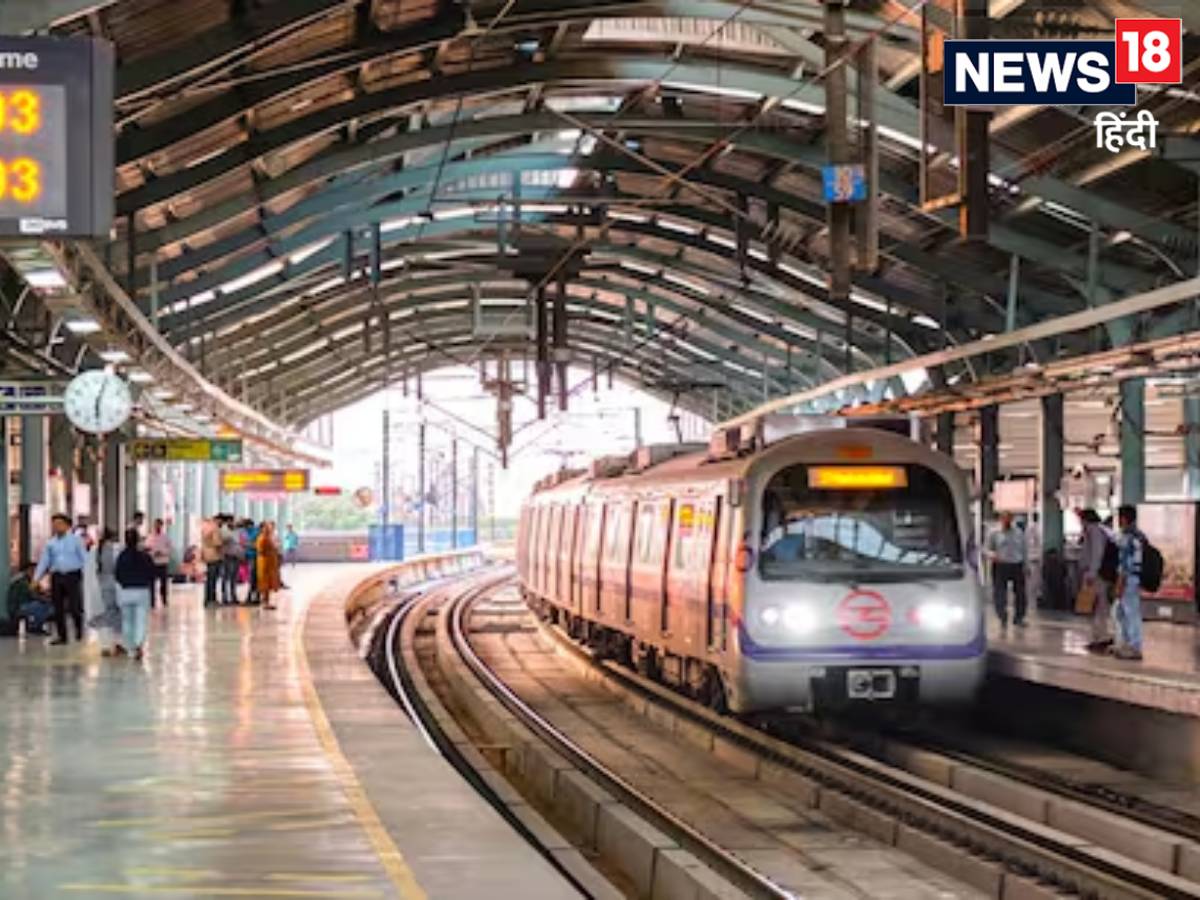
More than two decades after the first metro trains rolled out in the capital, Delhi today operates around 352 kilometres of metro track, spread across 10 operational lines and 257 stations. With Phase 5(A) now cleared, the world’s fourth-largest urban rail system is set to grow even further, reshaping how millions move across the city each day. (News18 Hindi)